
Daily meals, morning coffee, and family conversations all revolve around this central surface, making thoughtful table styling more important than it seems.
Smart kitchen table decor improves functionality, enhances visual flow, and reflects personal taste without overwhelming the space.
From centerpieces and placemats to lighting accents and seasonal touches, small upgrades create noticeable impact.
This guide delivers practical, design-forward solutions that help readers refresh their kitchen table with balance, efficiency, and lasting style suited for real homes.
Lemon-Themed Decor
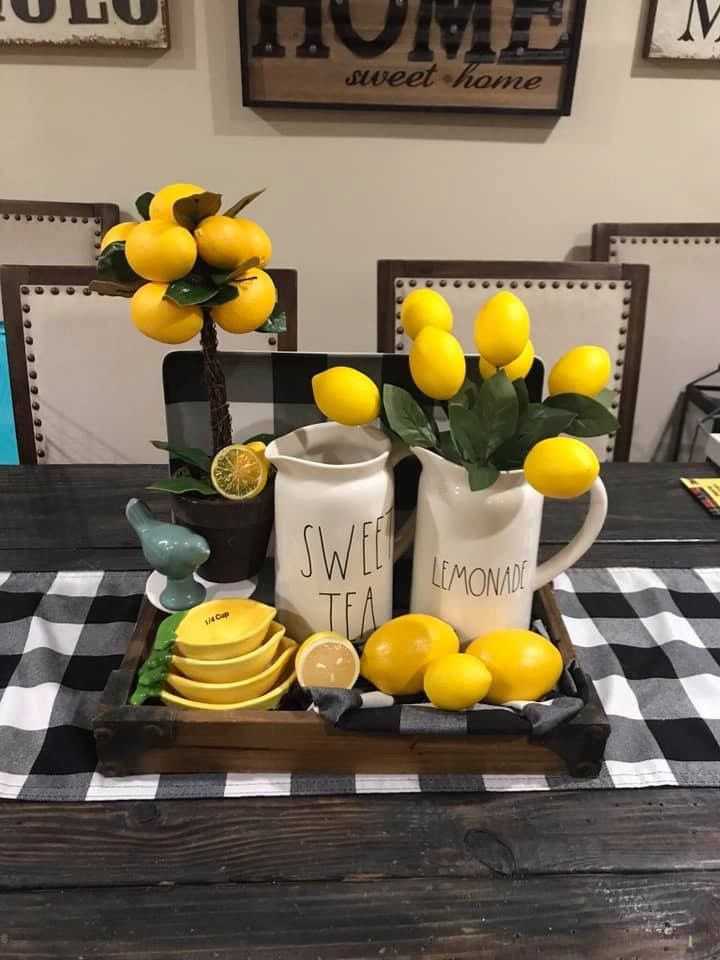
Sunlit citrus tones instantly refresh a kitchen table, delivering brightness without visual clutter. Yellow runners, ceramic bowls, and patterned napkins echo Mediterranean charm while keeping the palette controlled.
Fresh lemons double as decor and subtle fragrance, reinforcing a clean, food-forward atmosphere. Pair with white stoneware, rattan chargers, and clear glassware for balance.
This approach works across farmhouse, coastal, and modern kitchens, offering seasonal flexibility, strong visual contrast, and budget-friendly styling that photographs beautifully for blogs, listings, pins, and shop displays.
Fish Motif Accents
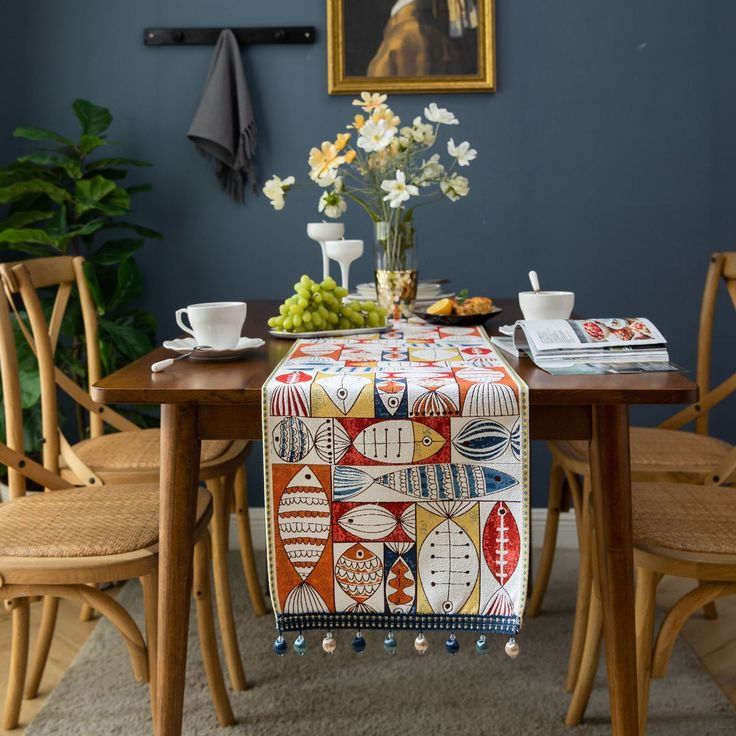
Subtle marine references introduce character without tipping into theme-heavy styling. Small fish figurines, etched glass tumblers, or linen napkins with aquatic prints create visual storytelling at the table.
Blue-and-white ceramics reinforce the coastal link while staying neutral enough for daily use. Keep scale modest to avoid kitsch, and balance with wood textures and matte finishes.
This detail-driven approach suits breakfast nooks and casual dining zones, especially in seaside, coastal farmhouse, and relaxed contemporary interiors where light, airflow, and easy maintenance matter.
Vintage-Inspired Tablescapes
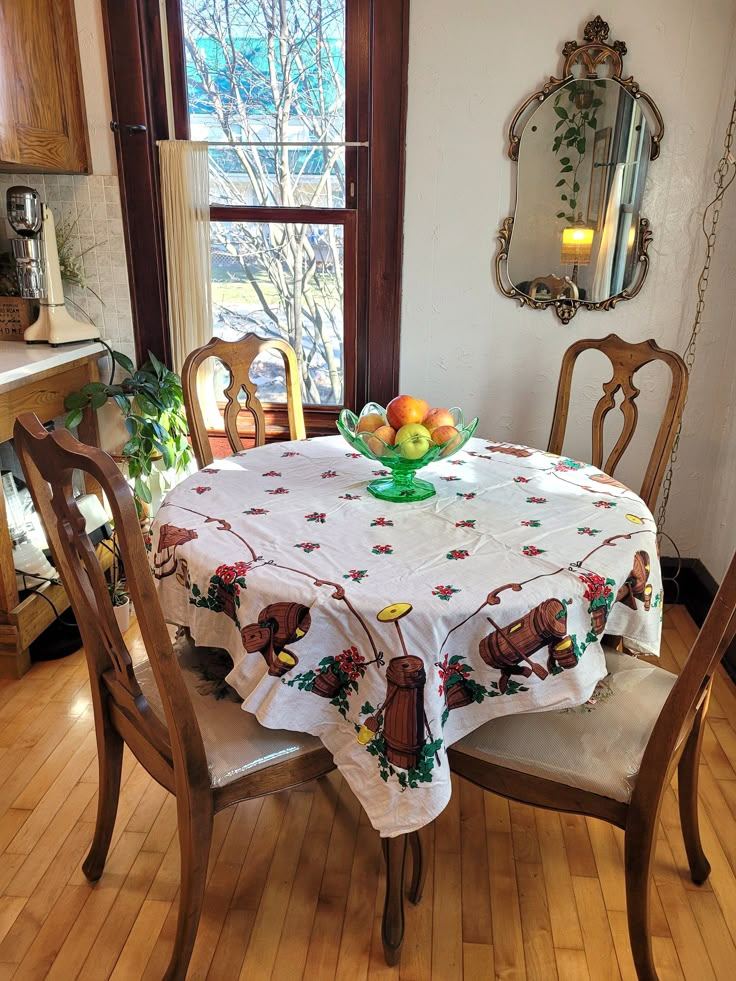
Collected charm defines this style, relying on layered textures and timeworn finishes for visual depth.
Mix mismatched china, lace runners, brass candlesticks, and cut-glass stemware to create an authentic heirloom feel.
Muted florals and patinaed metals soften the setup while avoiding excessive ornamentation. Earthy neutrals anchor the look for modern kitchens.
This tablescape direction supports sustainable decor through reuse, adds narrative value for gatherings, and pairs especially well with rustic cabinetry and classic wood dining tables for warmth and continuity.
Bold Color Palettes
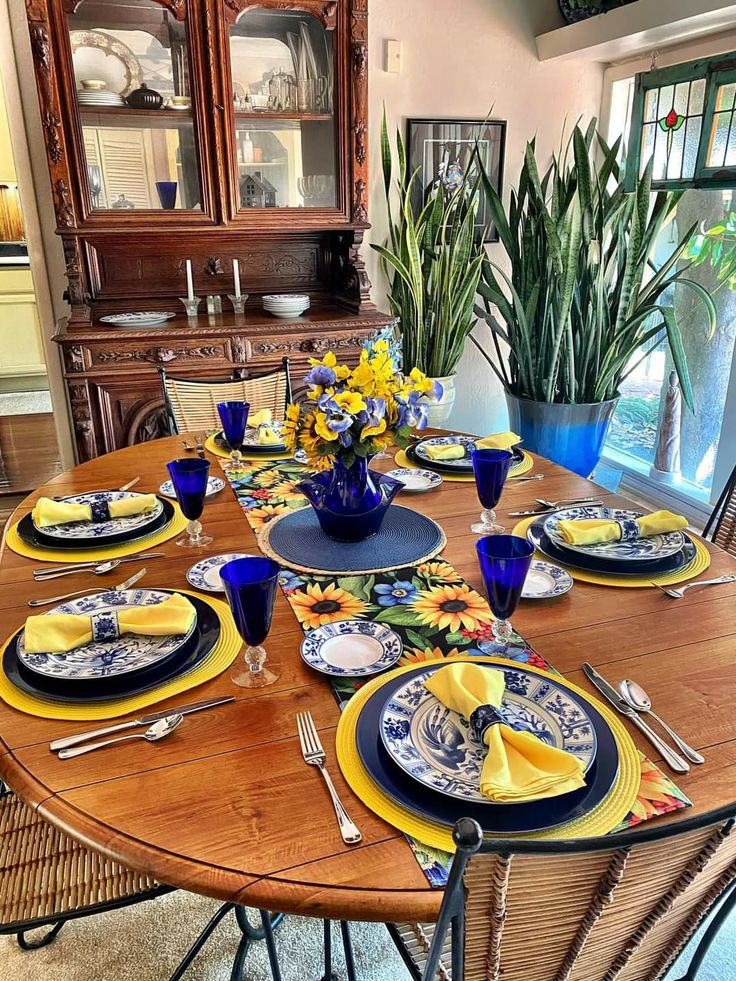
High-contrast schemes energize the kitchen table by guiding focus and defining the dining zone. Jewel tones, saturated blues, or spicy reds work best when anchored by neutral placemats and restrained centerpieces.
Color repetition across napkins, florals, and dinnerware creates cohesion instead of chaos. Glossy finishes heighten vibrancy under natural light, while matte surfaces stabilize the look.
This strategy boosts visual impact for small spaces, improves photo performance, and supports seasonal refreshes without replacing core furniture, making it ideal for renters.
Smart Lighting Integration
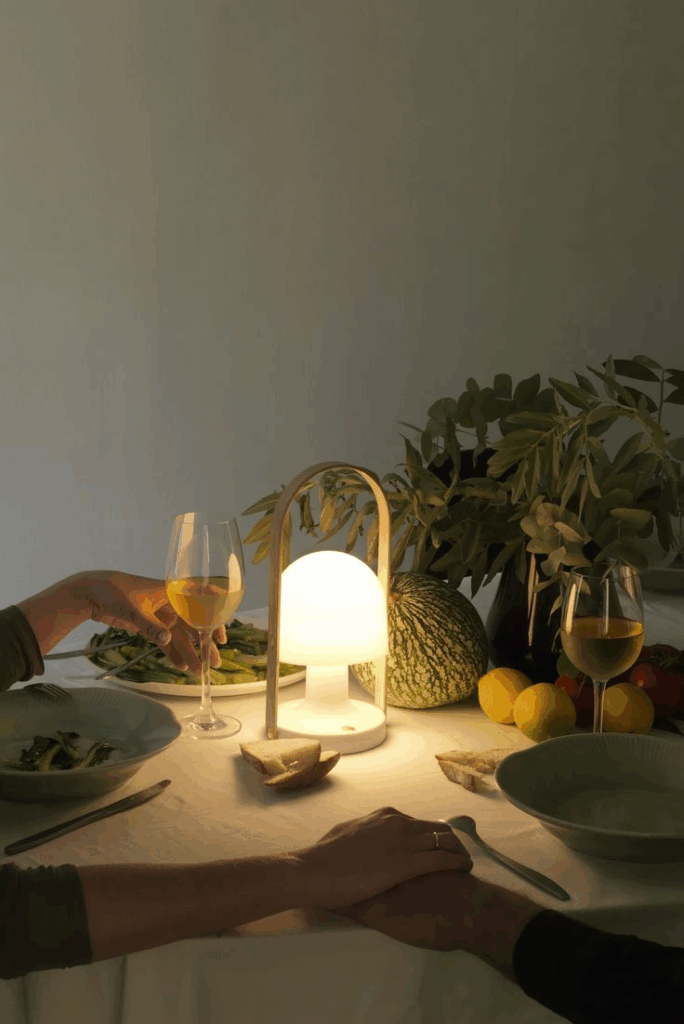
Adaptive illumination reshapes how a kitchen table performs across meals, tasks, and gatherings. Dimmable pendants, under-table accent strips, and warm-temperature bulbs allow quick mood control without changing decor.
Tunable lighting enhances food presentation, reduces glare on glossy surfaces, and supports evening comfort. App-based controls and voice assistants add efficiency for busy households.
This upgrade improves energy management, elevates perceived finish quality, and aligns with modern kitchen planning focused on flexibility, usability, and layered light design that supports wellness, productivity, consistency.
Expandable and Modular Tables
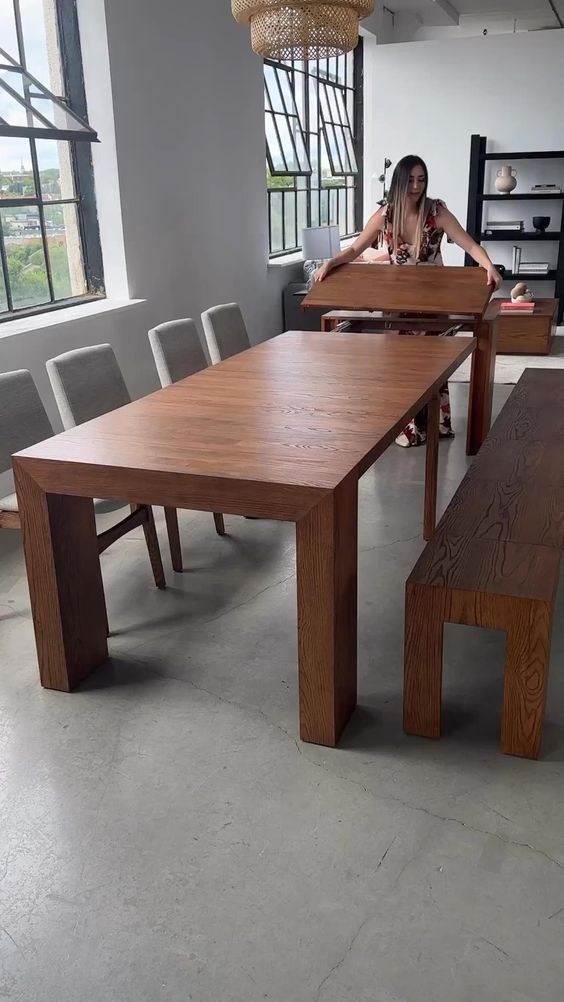
Space efficiency drives demand for dining surfaces that adapt to changing needs. Leaf extensions, nesting components, and slide-out panels allow one table to serve daily meals and larger gatherings with equal ease.
Modular bases support reconfiguration for apartments and open-plan kitchens alike. Look for hardwood rails, metal glide systems, and heat-resistant finishes for durability.
This solution improves traffic flow, reduces furniture clutter, and aligns with multifunctional kitchen design focused on flexibility, resale value, and long-term performance for growing households today.
Collage Art Pieces
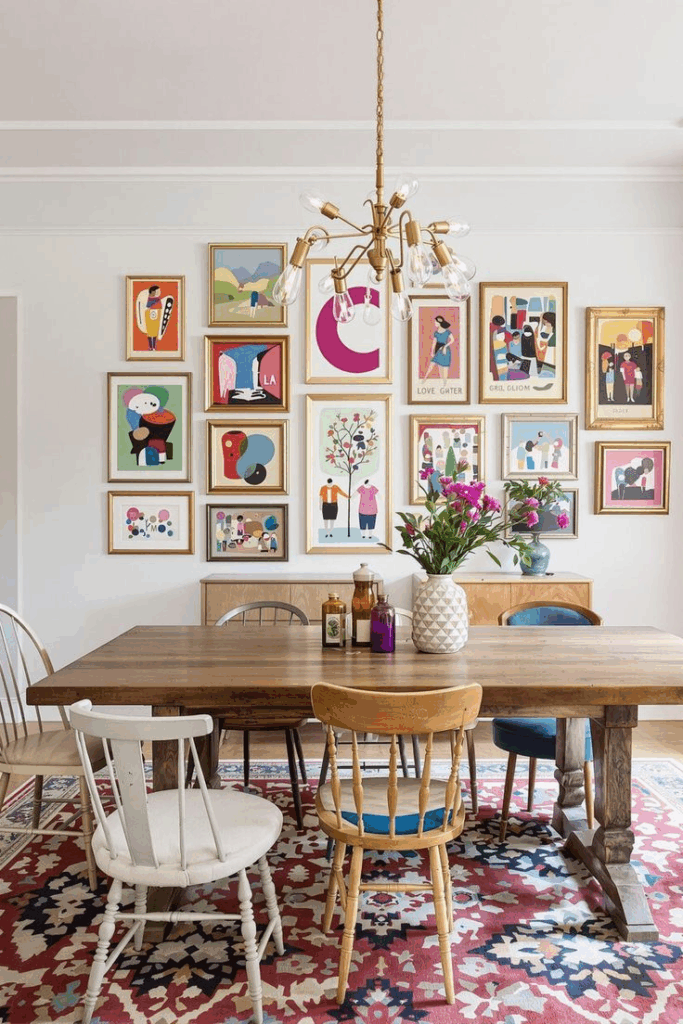
Walls around the dining zone gain energy through curated visual groupings that frame the table without crowding it.
Mixed photographs, typography prints, and small canvases establish rhythm and color continuity. Keep spacing consistent and palette edited to avoid visual noise.
This tactic strengthens focal definition in open kitchens, supports eclectic decor styles, and boosts perceived depth.
When aligned with table scale and sightlines, art groupings enhance ambiance, improve social atmosphere, and deliver high design impact with minimal budget pressure today.
Unique Table Shapes
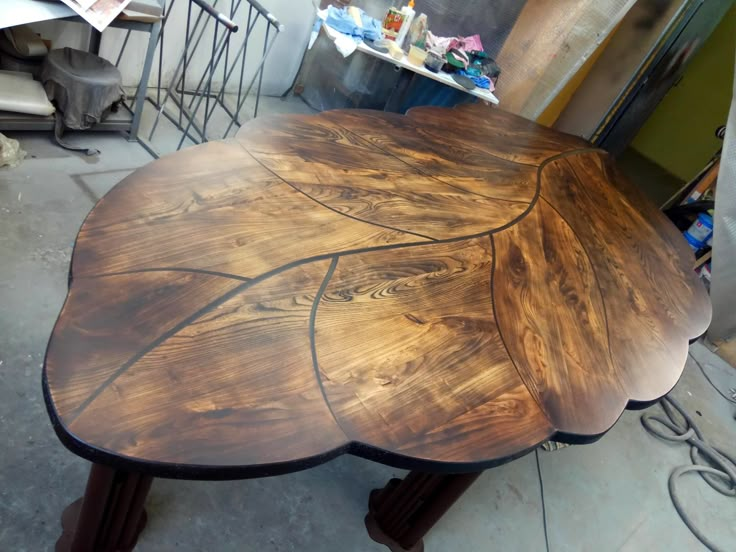
Form diversity reshapes how the dining area functions and flows. Round tables soften circulation in tight kitchens, oval tops suit narrow rooms, and square profiles reinforce symmetry in compact layouts.
Pedestal bases free up legroom while sculptural silhouettes add architectural interest. Selection should reflect room proportions, seating count, and daily use patterns.
This strategy improves comfort, visual balance, and spatial efficiency, making the table a deliberate design element rather than a fixed afterthought for modern renovations, rentals, and builder-grade kitchens.
Natural Wood Finishes
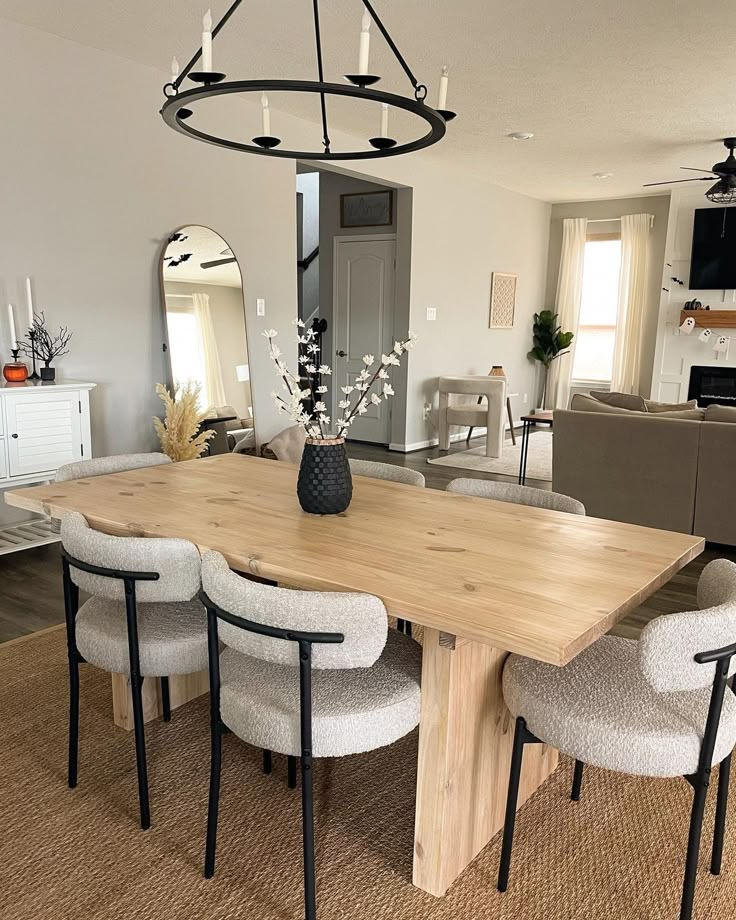
Material authenticity remains central to table styling that feels grounded and enduring. Oak, walnut, and teak surfaces introduce grain variation that pairs easily with stone, linen, and ceramic accessories.
Lighter stains brighten compact kitchens, while deeper tones anchor open layouts. Protective oil finishes enhance durability without high gloss glare.
This direction supports biophilic design principles, improves warmth under artificial lighting, and adapts across rustic, Scandinavian, transitional, and contemporary kitchen environments for long-term use, resale, family dining, and sustainable interior planning.
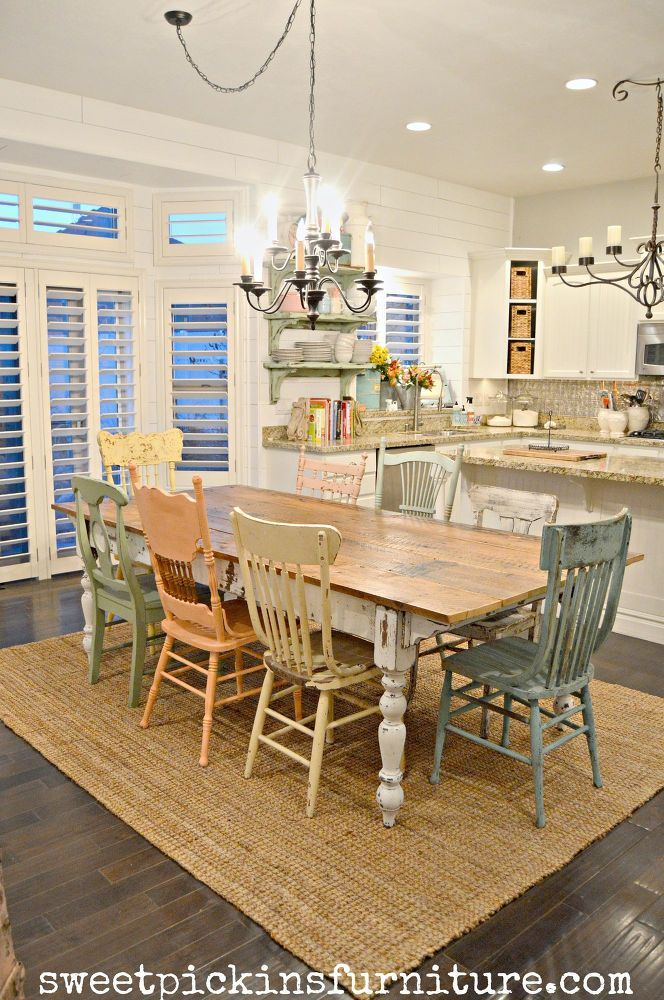
Eclectic Chair Mix
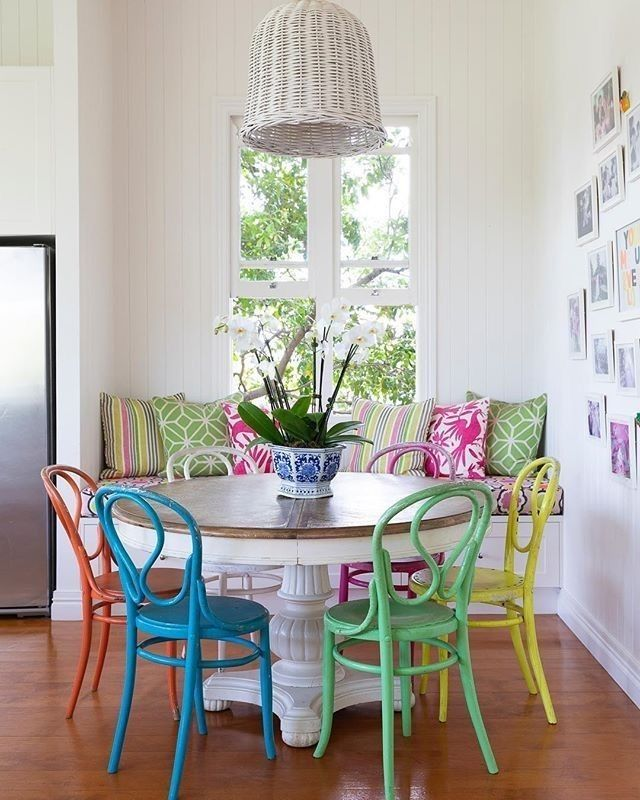
Seating variety brings movement and personality to a kitchen table when managed with intent. Pair wishbone chairs with upholstered end seats or mix metal stools with wood frames for contrast.
Unifying elements such as seat height, finish tone, or cushion fabric prevent visual disorder.
This approach increases flexibility for daily use, supports evolving family needs, and reduces replacement costs.
Well-balanced chair combinations also refresh older tables instantly, improving comfort, social flow, and visual interest without structural furniture changes required today.
Luxurious Upholstery
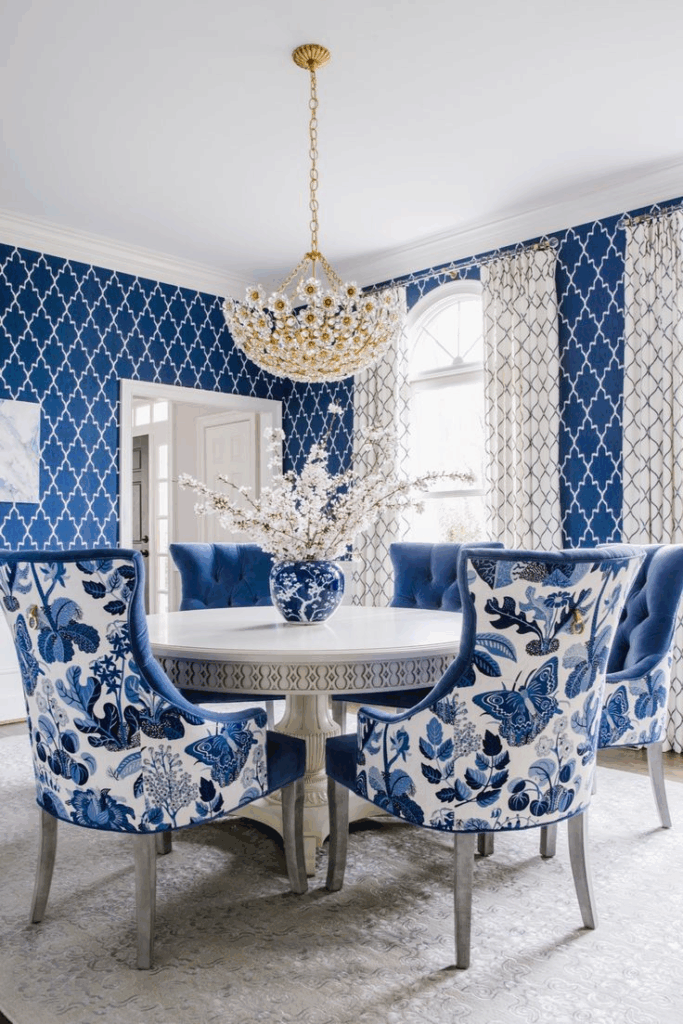
Textile refinement at the table introduces comfort and acoustic softness often missing in hard-surface kitchens.
Velvet, performance linen, and high-density foam padding raise the tactile experience while resisting stains and abrasion.
Neutral tones maintain versatility, while jewel shades provide controlled drama. This upgrade improves seated comfort during long meals, reduces sound reflection, and signals quality craftsmanship.
Upholstered dining chairs work especially well in open-plan layouts where visual continuity between kitchen and living areas strengthens perceived cohesion and overall finish quality.
Layered Lighting Techniques
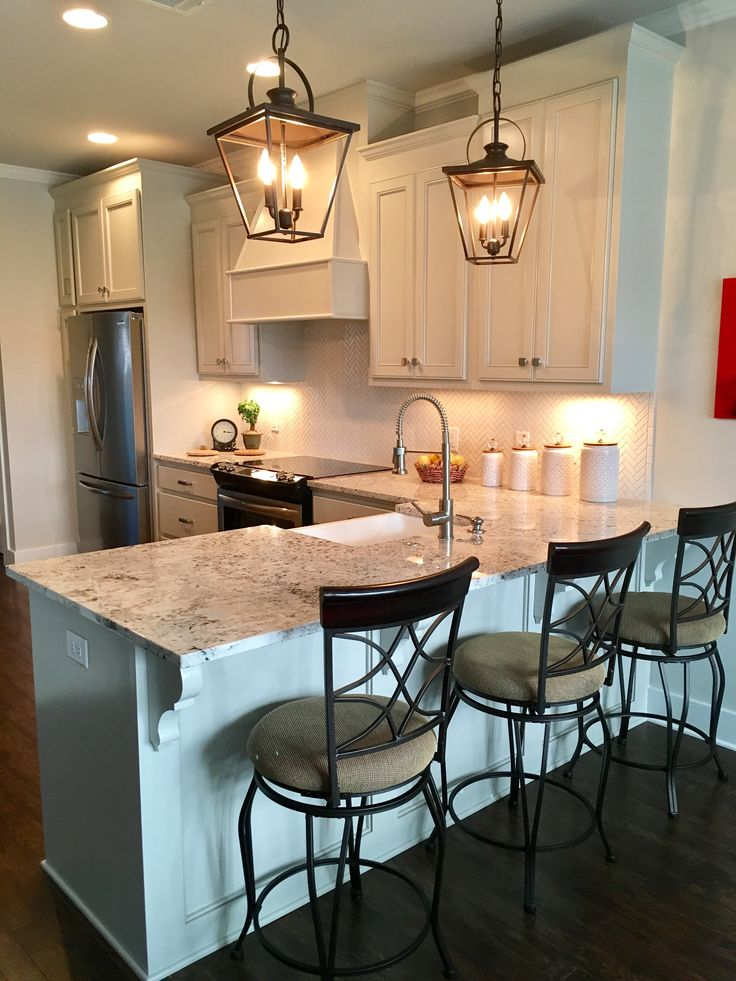
Multiple light sources around the table create depth, task clarity, and mood control throughout the day.
Pendants define the dining zone, wall sconces soften edges, and dimmable overhead fixtures handle general illumination.
Warm color temperatures improve food presentation and reduce glare on glossy surfaces. This method supports visual comfort, energy efficiency, and flexible entertaining.
Thoughtful lighting structure also corrects shadows in open kitchens, guiding attention toward the table as the functional and social center of the room for everyday living.
Eco-Friendly Decor
material choices at the dining table reduce environmental impact without sacrificing visual appeal.
Reclaimed wood trays, recycled glass vases, organic cotton runners, and low-VOC finishes support healthier indoor air quality.
Plant-based centerpieces replace disposable plastics while adding natural texture. This direction aligns with sustainable kitchen design, lowers long-term replacement costs, and appeals to eco-conscious buyers.
Small swaps in table styling habits accumulate into meaningful footprint reduction while maintaining durability, cleanliness standards, and everyday practicality for modern households today always.
Glass Cloche Displays

Clear domes introduce museum-style presentation to the kitchen table, protecting candles, baked goods, florals, or collectibles from dust while amplifying visual focus.
Vary heights for dimension, pairing marble bases or wood stands for balance. Seasonal swaps keep the display fresh without reworking the full setting.
This styling tactic suits minimalist, farmhouse, and modern kitchens, enhancing light reflection, preserving freshness, and delivering curated detail with minimal maintenance and strong photo-ready appeal for everyday dining, entertaining, and seasonal refreshes alike today always.