
Tight spaces, cluttered drawers, and messy cabinets can make any kitchen feel chaotic and inefficient.
When daily routines are disrupted by disorganization, even simple tasks become frustrating. That’s where DIY kitchen organization ideas prove invaluable—offering affordable, functional solutions that bring calm and order back to your cooking space.
Whether you’re working with limited square footage or simply want smarter ways to store your essentials, this guide delivers inspiration that’s easy to implement.
From clever shelving tricks to repurposed storage hacks, every tip is designed to make your kitchen work better for you. Let’s uncover the practical changes that make a real difference.
Painted Jar Lids for Cohesive Pantry Aesthetics
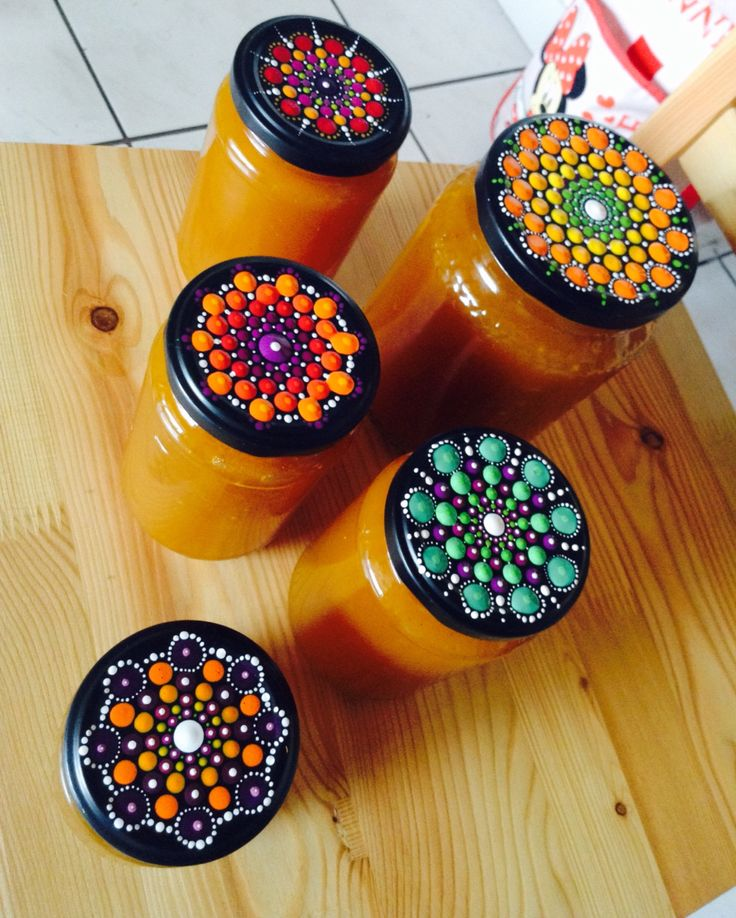
Matching storage containers may seem like a luxury, but uniform jar lids can offer a similar polished effect without the cost.
Repainting mismatched lids in a single matte color—such as black, white, or earthy neutrals—immediately brings order and cohesion to open shelves or pantry baskets.
A simple coat of non-toxic spray paint designed for metal or plastic can transform old spaghetti jars or mason containers into a curated display, especially when paired with clear glass for visibility.
Labeling plays a key role in maintaining this harmony. Use waterproof vinyl stickers or hand-letter tags for consistency.
This small visual tweak helps categorize dry goods such as grains, flours, or pulses at a glance, and gives your pantry a magazine-worthy appearance.
Not only does this technique improve aesthetics, but it also supports better kitchen flow by making ingredients more accessible.
For households that reuse jars from grocery staples like coffee, pickles, or sauces, this solution adds value while promoting sustainability. Painted lids provide a professional look without requiring new purchases or bulky bins.
Over time, this unified appearance makes restocking easier and turns even the most chaotic cabinet into an intentional space—a smart, low-cost strategy for anyone focused on budget-friendly organization.
Diagonal Drawer Dividers for Efficient Utensil Storage
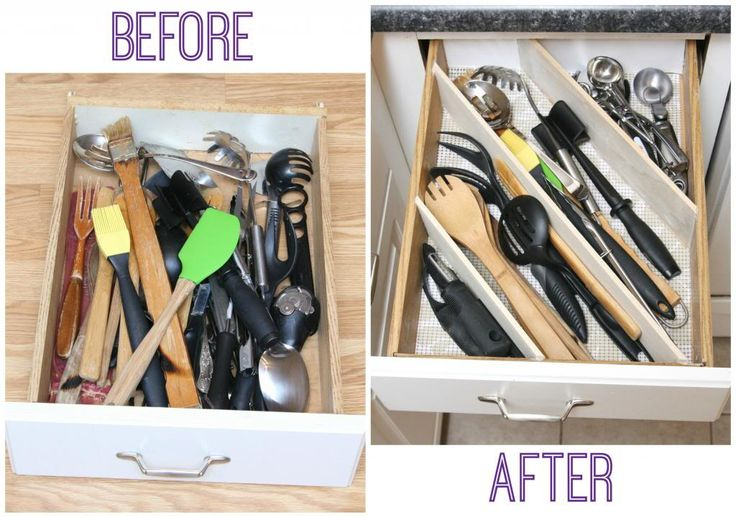
Standard dividers can’t always accommodate oddly shaped kitchen tools, but a diagonal layout instantly solves that issue. Shifting from horizontal or vertical to angled compartments helps maximize drawer capacity, especially in shallow or narrow drawers.
This layout offers longer diagonal pockets that better fit spatulas, whisks, tongs, and rolling pins without forcing them into awkward positions.
Materials like bamboo or acrylic make great DIY dividers. By cutting and arranging strips at a 45-degree angle, you create custom sections tailored to the tools you use most.
This setup not only conserves space but also minimizes cluttered piles of utensils that usually result from generic inserts.
Organizing utensils diagonally also allows for quicker visual scanning. It’s easier to see and grab what you need without rummaging or disrupting the rest of the drawer. For households that cook frequently, that ease of access makes a big difference during meal prep.
To ensure longevity, secure each divider with wood glue or command strips. Custom-fit designs offer better durability and a more satisfying finish compared to pre-made plastic trays.
This method provides both utility and visual order—a smart update that’s affordable, highly functional, and ideal for maximizing every inch of kitchen storage.
Repurposed Magazine Holders for Produce Storage
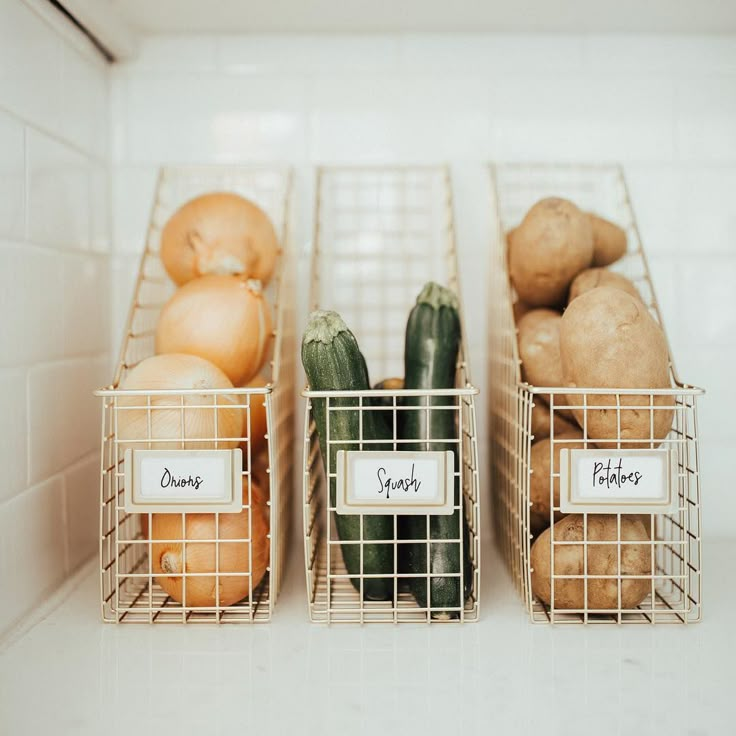
Hard-sided magazine holders offer surprising functionality in the kitchen, especially when repurposed for pantry or countertop produce storage.
These vertical organizers are ideal for fruits and vegetables that don’t require refrigeration—think onions, garlic, potatoes, or apples. Their tall, narrow shape keeps items upright and separated, preventing bruising and extending shelf life.
Made from plastic, metal mesh, or bamboo, these holders are breathable enough to allow airflow while still containing loose produce.
This makes them perfect for tucking into under-shelf spaces, on top of cabinets, or even inside lower cupboards for a more discreet look.
Using these holders can also streamline meal prep. By sorting produce by type, you reduce guesswork while cooking and avoid waste from forgotten ingredients buried at the back of a drawer.
You can even label the front with chalkboard tags or adhesive labels to keep your setup organized.
This solution shines in small kitchens where counter space is limited. It eliminates bulky fruit bowls and repurposes a common office item into something functional and aesthetic.
Whether placed solo or stacked in groups, magazine holders prove to be an unexpectedly practical addition to any DIY kitchen organization plan.
Double-Tiered Cutlery Trays for Maximized Drawer Space
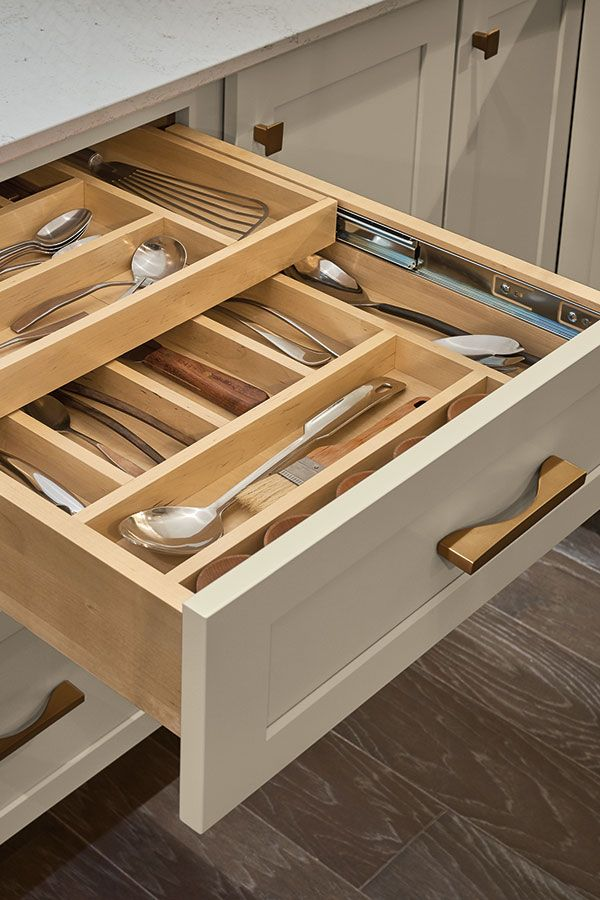
Overcrowded drawers can quickly become chaotic, but two-tier trays offer a game-changing solution. These stacked organizers double your storage capacity without expanding your physical drawer space.
The top tier glides or lifts easily, revealing a second layer below—ideal for storing lesser-used cutlery or specialty tools like corn cob holders or cocktail forks.
Creating a custom version involves using shallow bamboo trays or modular acrylic bins that stack securely.
A small riser underneath the top layer—like adhesive feet or cut wood strips—ensures stability while keeping access smooth. For durability, make sure materials are lightweight yet sturdy enough to hold daily-use utensils.
What sets this idea apart is how it balances visibility and space-saving. The top layer holds essentials like teaspoons and forks, while the lower level is reserved for items used less often.
This separation improves workflow, particularly in busy kitchens where cooking tools need to be easy to find.
Perfect for deep drawers or oversized kitchen cabinets, this system also allows for categorization by meal type or user (e.g., kids vs. adults). It brings structure and simplicity without a complete remodel—just a smarter way to use vertical space that’s already available.
Under-Shelf Hanging Hooks for Mugs and Tools
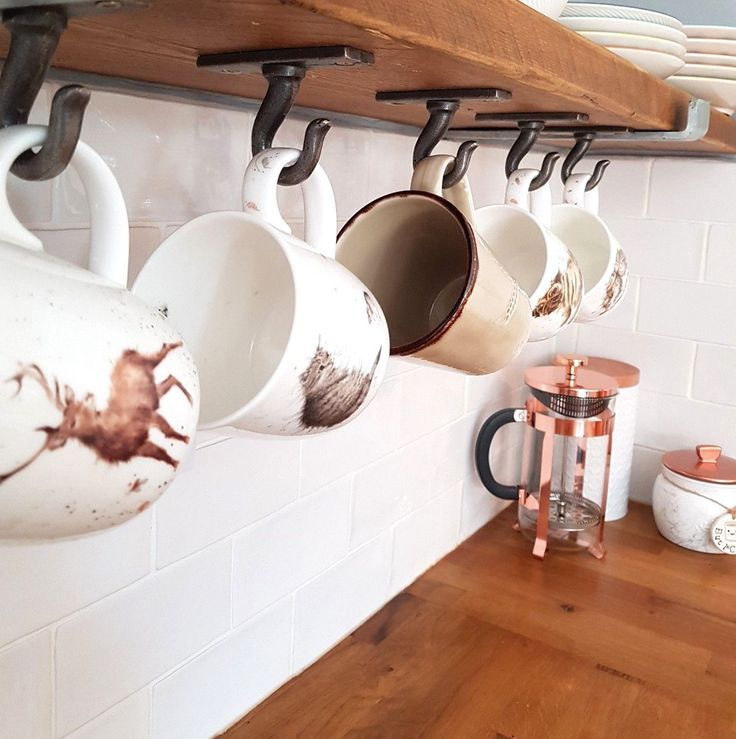
Wasted vertical space in cabinets often goes unnoticed, but installing hooks underneath a shelf puts that gap to work.
Screw-in or adhesive-mounted hooks let you hang mugs, measuring spoons, or even lightweight cooking tools, clearing out cluttered drawers and overcrowded racks.
This idea works especially well in open shelving setups or cabinets with adjustable heights.
By spacing the hooks evenly, you can create a balanced, clean look while freeing up lower shelves for plates, bowls, or pantry goods. Lightweight stainless steel or white-coated hooks blend in seamlessly, maintaining a tidy visual aesthetic.
Installation requires minimal effort—just a measuring tape and a small screwdriver or strong adhesive backing.
Make sure to test the weight tolerance first, especially if you’re hanging ceramic mugs. You can also add cup labels underneath each hook for extra order if shared by multiple household members.
The impact of this simple DIY upgrade is substantial. Mugs are easily accessible for morning routines, and measuring tools no longer disappear into utensil drawers.
It’s a clever, unobtrusive method to expand kitchen storage without sacrificing style, making it perfect for compact apartments, tiny homes, or anyone aiming for a cleaner, more efficient kitchen layout.
Pull-Out Cabinet Organizers for Deep Storage Access
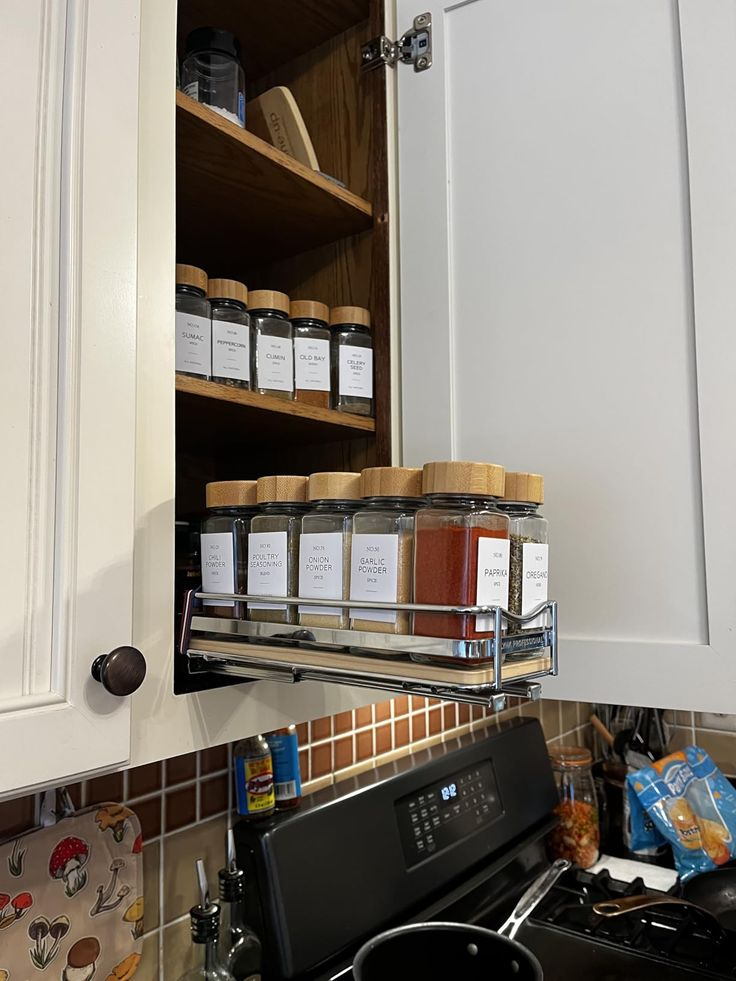
Reaching the back of lower kitchen cabinets often leads to frustration, but pull-out organizers solve this common issue with smart engineering.
These sliding trays extend fully, allowing you to access every item without bending or unpacking an entire shelf. Ideal for storing pots, pans, canned goods, or cleaning supplies, they help eliminate clutter by keeping everything visible and within reach.
Whether built from metal wireframes or wood, these systems can be installed with basic tools and minimal experience. Adjustable rails accommodate various cabinet sizes, and soft-close features prevent noisy slams.
Homeowners who frequently lose track of what’s tucked in the back will appreciate how much time and energy is saved with this approach.
Organizing categories by tray—like baking tools on one and dinnerware on another—simplifies daily routines and supports a more logical kitchen flow. Pull-out systems are especially useful in blind-corner cabinets, where space often goes underutilized.
Beyond functionality, this setup improves safety by preventing items from being stacked in unstable piles. It’s a practical, DIY-friendly upgrade that turns overlooked storage zones into functional spaces. With just a few hardware pieces, even the most cluttered cabinet can become a streamlined, high-performance part of the kitchen.
Color-Coded Pantry Bins for Quick Identification
Sorting pantry staples by category becomes more intuitive when color-coded bins are used. Assigning specific colors to food groups—like blue for snacks, green for grains, or red for baking items—helps every household member identify contents instantly.
This method cuts down on meal prep time, avoids overbuying duplicates, and supports more mindful shopping habits.
Plastic bins, collapsible fabric containers, or even painted wooden crates can work for this system. Labeling each one adds clarity, but the color itself does most of the work visually.
Kids can easily find school snacks, and adults can spot ingredients without rummaging through identical containers.
Pantry organization often fails when systems aren’t intuitive. Color makes that structure effortless to maintain—even in busy kitchens. It also helps during inventory checks; it’s easy to notice when the “green” grain bin is running low.
This strategy adapts well to all storage spaces, from full walk-in pantries to tight apartment shelves. Clear bins with colored lids work just as well for those who want visibility without losing the system’s logic.
Color-coded zones are more than aesthetic—they encourage consistency and reduce time spent managing pantry chaos. This visual shorthand keeps storage functional, attractive, and easily sustainable.
Back-of-Door Racks for Additional Storage
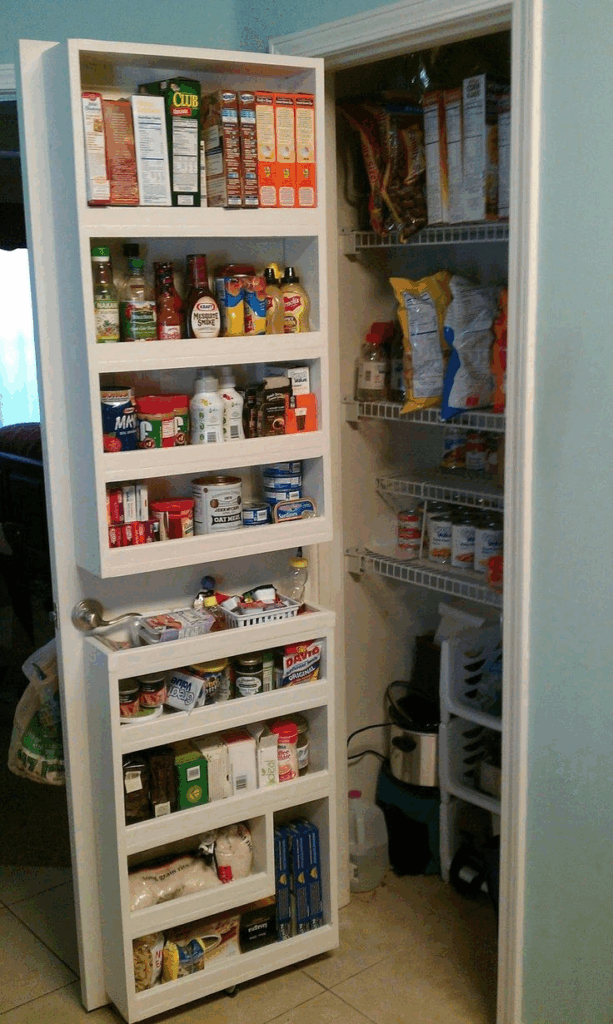
Often overlooked, the inside of cabinet and pantry doors offers prime real estate for smart storage solutions.
By installing shallow racks or wire baskets, you can convert these underused areas into efficient zones for spices, wraps, cleaning supplies, or snack packets. This method is especially useful in small kitchens where every inch counts.
Various ready-made organizers are available, but you can also repurpose file holders, narrow crates, or even tension rods to suit the space. Lightweight items work best to avoid straining hinges—think aluminum foil boxes, seasoning jars, or sandwich bags.
For renters or those wary of drilling, adhesive hooks or over-the-door systems offer tool-free installation.
It’s important to measure the depth of the rack to ensure it doesn’t interfere with shelf clearance when the door closes.
This technique helps declutter crowded drawers and clears up valuable shelf space by relocating frequently used items to more visible, accessible spots.
It’s especially helpful for families who share the kitchen, keeping daily-use essentials in one consistent location.
Whether added to a pantry, under the sink, or behind a spice cabinet, door-mounted racks provide reliable and flexible storage without requiring a remodel. It’s a quick fix with lasting impact.
Dedicated Baking Station
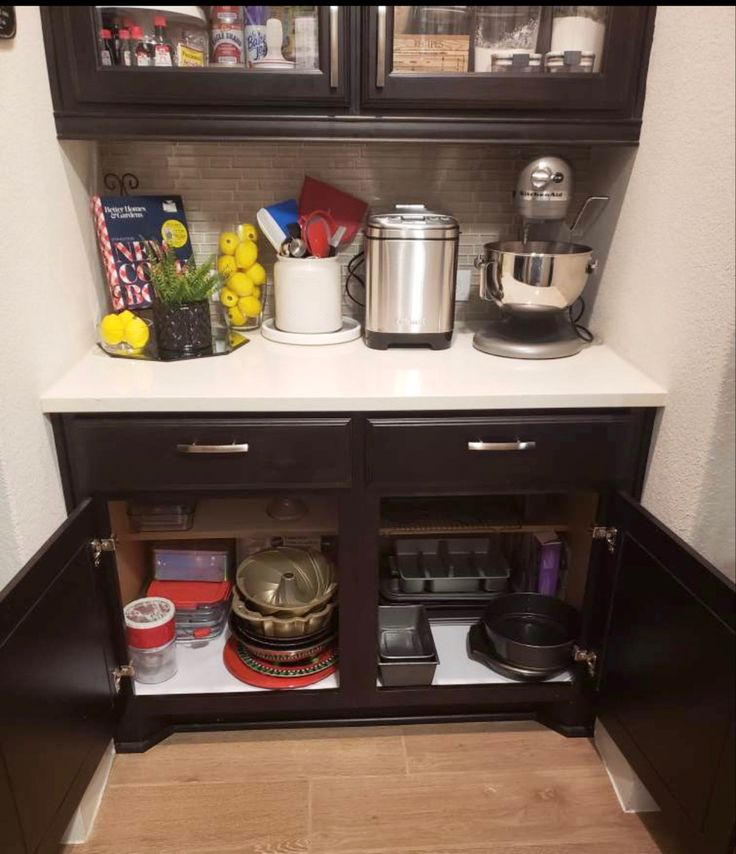
Keeping all baking supplies in one dedicated zone boosts efficiency and encourages creativity.
Flour, sugar, measuring cups, rolling pins, piping tips, and parchment paper are easier to access when grouped together in a single cabinet, cart, or drawer system.
This specialized setup reduces prep time and makes the process smoother, especially during busy seasons or large meal preps.
Drawer dividers, shelf risers, and labeled clear canisters keep items sorted and visually appealing.
For avid bakers, assigning an entire rolling cart or a section of the kitchen island ensures that the area stays functional and clutter-free. Even a small unused cabinet can serve as the perfect home base for baking tools if optimized correctly.
Frequently used items should be placed at the front, while specialty tools—like cookie cutters or springform pans—can be stored higher up. Silicone mats and cooling racks often fit best in vertical slots or magazine file holders.
This concept works for both casual weekend bakers and daily users. Having a zone solely for baking eliminates the need to search across multiple drawers or shelves.
With all essentials housed together, the baking experience becomes enjoyable and productive instead of scattered and stressful.
Lunch Packing Zones for Efficient Meal Prep
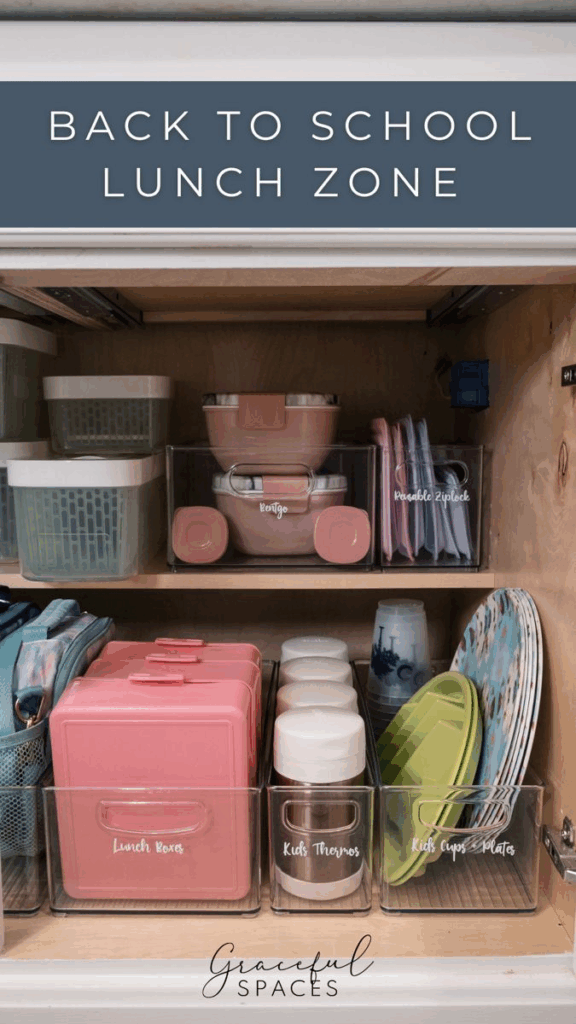
Morning routines become smoother when lunch packing has its own dedicated setup. A clear lunch zone helps save time, reduce stress, and ensure no essentials are forgotten.
Designate a drawer, shelf, or section of the counter for lunch boxes, reusable containers, napkins, snacks, and insulated bags to make preparation more efficient.
Clear bins can help separate categories—one for sandwich supplies, one for snacks, and another for refillable bottles. Keep utensils and food wraps nearby, ideally in drawers with dividers to avoid clutter.
For added ease, consider pre-packing dry snacks or portioning fruits in advance, storing them in labeled containers within the zone.
Families with children especially benefit from this setup. It gives kids a sense of independence while allowing parents to maintain order.
A simple visual system, like labeled drawers or chalkboard tags, allows even the youngest family members to help with prep.
This strategy reduces last-minute chaos and helps ensure dietary preferences or school restrictions are consistently followed.
Whether you prep lunches daily or batch them weekly, this dedicated zone transforms routine tasks into quick, manageable steps. It’s a practical, high-functioning addition to any organized kitchen.
Pantry Risers for Tiered Can Storage
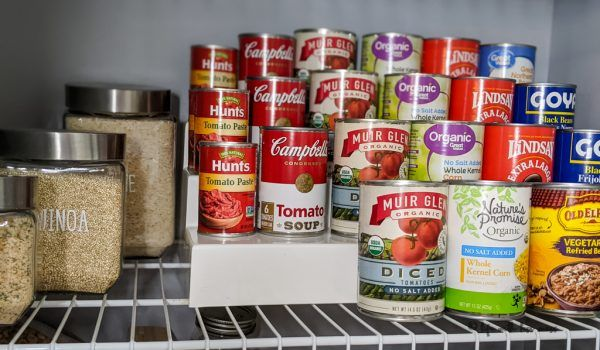
Stacking canned goods directly on shelves often leads to wasted space and forgotten items in the back. Tiered risers solve this by elevating cans in graduated steps, making each label visible and accessible.
This small adjustment brings vertical organization to your pantry and helps reduce food waste by keeping older items in plain sight.
Simple risers made from acrylic, bamboo, or metal wire can fit most standard shelf depths. Many are expandable or stackable, allowing you to customize them to your layout.
Some DIYers even repurpose spare wood pieces or sturdy cardboard to craft affordable versions tailored to their cabinets.
Visibility is key in maintaining inventory and simplifying meal planning. With cans of soup, beans, tomatoes, or coconut milk all clearly presented, it’s easier to grab what you need without reshuffling the entire shelf. It also aids in tracking expiration dates, helping you rotate stock more efficiently.
This technique is especially helpful in small pantries or kitchen cabinets where every inch counts. By maximizing unused vertical height, tiered risers bring clarity to cluttered shelves.
They’re a straightforward solution that improves organization, saves time, and encourages smarter grocery habits—all without requiring a major kitchen overhaul.
Hidden Appliance Storage to Reduce Counter Clutter
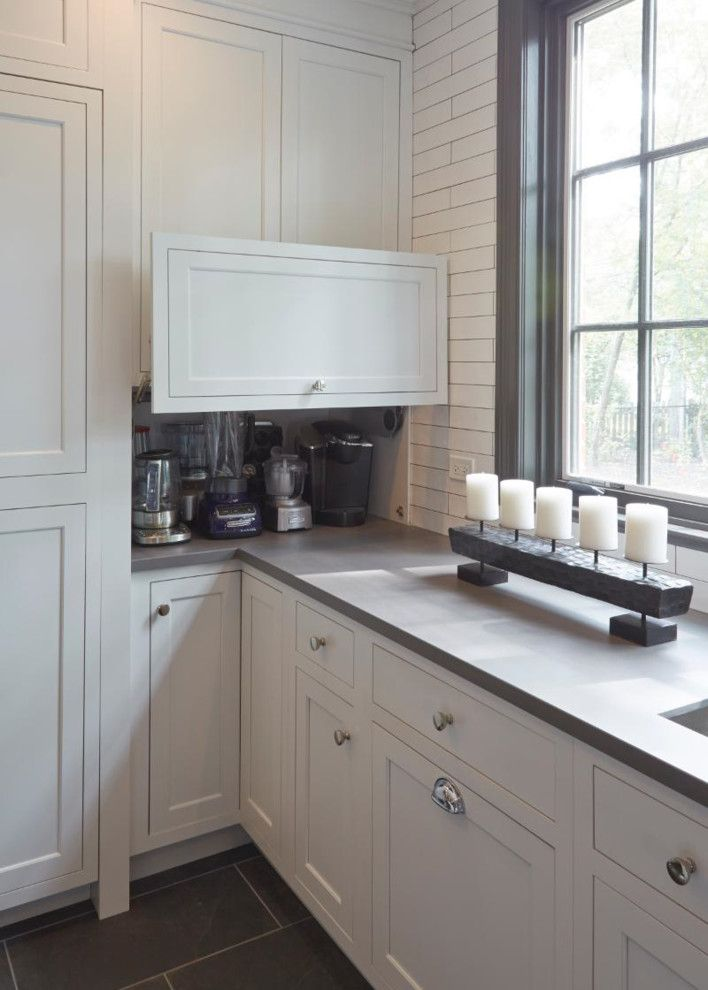
Small appliances tend to accumulate on kitchen counters, creating visual chaos and making cleaning more difficult. Tucking them away into dedicated appliance garages or lift-up cabinets keeps the workspace clear and visually tidy.
Whether you’re dealing with a toaster, blender, or mixer, storing these items behind closed doors keeps the focus on cooking rather than clutter.
Many homeowners repurpose existing cabinets by removing lower shelving and adding a pull-out tray or lift mechanism.
For those with deep counters, a flip-up door system installed under upper cabinets allows appliances to stay plugged in yet out of view. Slide-out shelves also work well inside tall pantry cupboards.
Designating zones for specific tools—like one cabinet for baking gear and another for coffee supplies—improves workflow and ensures everything returns to its place. Labeling shelves inside the cabinet further supports this habit.
Clear counters aren’t just a style preference—they improve hygiene, reduce prep time, and increase workspace flexibility. This organizational upgrade is especially impactful in smaller kitchens where surface area is limited.
By assigning appliances a hidden home, you maintain a clean look while keeping your tools readily accessible. It’s a practical and achievable step toward better kitchen efficiency.
Labeling with Chalk Markers for Flexible Identification
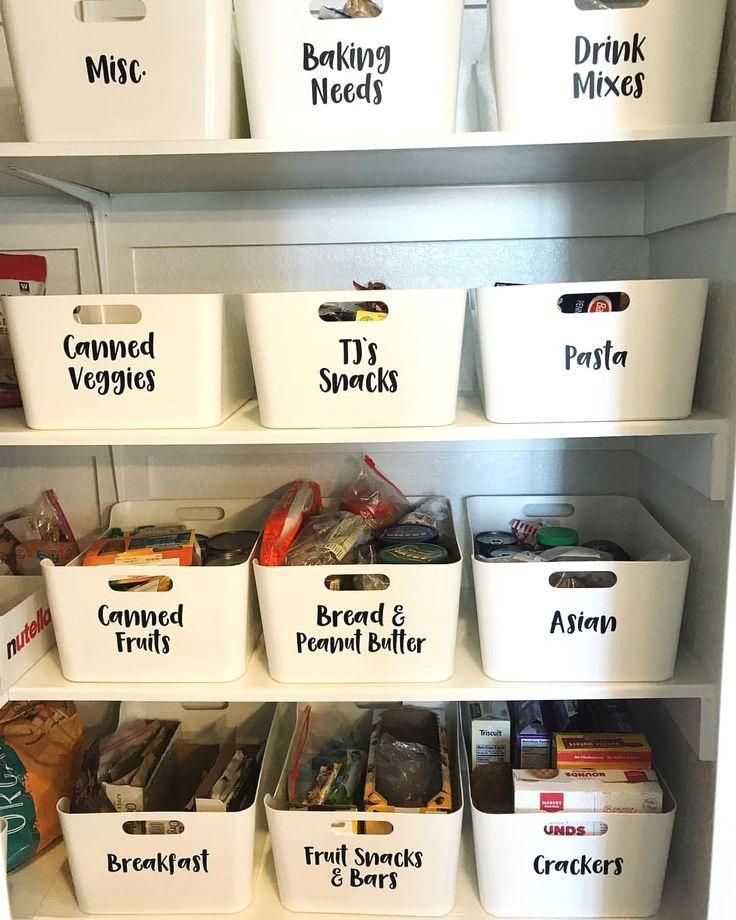
Static labels often become obsolete as pantry items rotate, but chalk markers provide a flexible solution.
These write-on, wipe-off tools allow for easy updates, making them ideal for jars, bins, spice containers, and meal prep trays. When storage needs change, labels can be altered in seconds—no need to print or peel.
Paired with black vinyl stickers, slate tags, or clear glass surfaces, chalk marker labels bring clarity and style to open shelving and inside drawers.
They work on a variety of materials—glass, plastic, ceramic—and dry quickly to prevent smudging. Fine-tip markers are best for small containers, while bolder tips suit larger bins.
This method proves useful in households with frequent pantry turnover or shared kitchens where items are regularly moved. Whether you’re storing bulk grains, snacks, or leftovers, clearly marked containers prevent mix-ups and encourage better food management.
Chalk labeling also supports seasonal shifts. It’s easy to update containers from holiday baking items to summer snack packs without replacing the storage system
For DIY-focused homes, it brings flexibility and personality into the kitchen while remaining highly functional. It’s a simple upgrade that improves visibility, supports routine, and encourages ongoing organization.
Vertical Storage Solutions for Cutting Boards and Baking Sheets
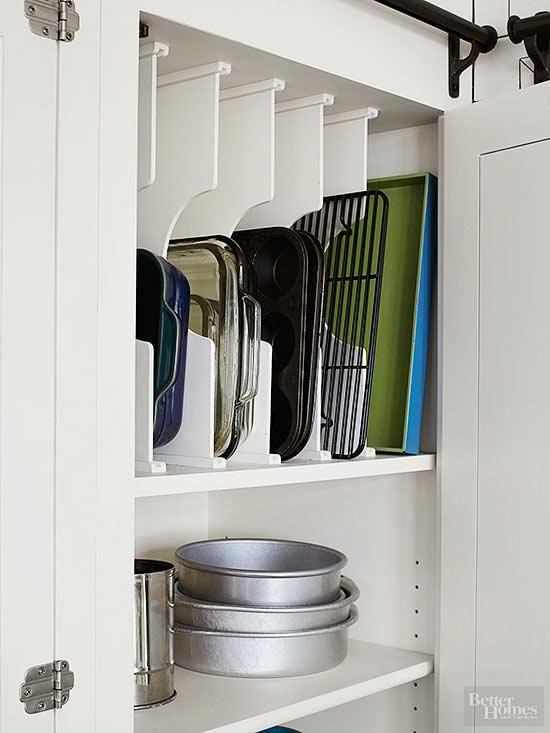
Flat stacking of cutting boards and baking sheets can waste cabinet space and make access frustrating.
Turning these items upright with vertical storage dividers allows for faster retrieval and more efficient use of deep base cabinets. It also prevents warping and scratching that happens when metal sheets are piled unevenly.
Wire racks, file organizers, or custom wood slats can be installed into cabinets or drawers to hold items vertically.
Even tension rods can be spaced across narrow cabinets to form dividers without permanent fixtures. Materials like bamboo and coated steel offer durability while complementing modern kitchen aesthetics.
Sorting by size or purpose—cookie sheets in one slot, chopping boards in another—reduces the time spent searching and prevents accidental drops. This storage style also encourages better airflow, which is especially helpful for drying boards between uses.
For bakers and frequent home cooks, having everything upright and clearly separated supports smoother meal prep. It also frees up valuable drawer and counter space that’s typically overwhelmed with overflow.
Vertical storage provides a better layout for thin, flat items that often get lost in kitchen shuffle. With a few quick modifications, this setup adds convenience and long-term order to daily routines.
Multi-Functional Kitchen Islands with Built-In Storage
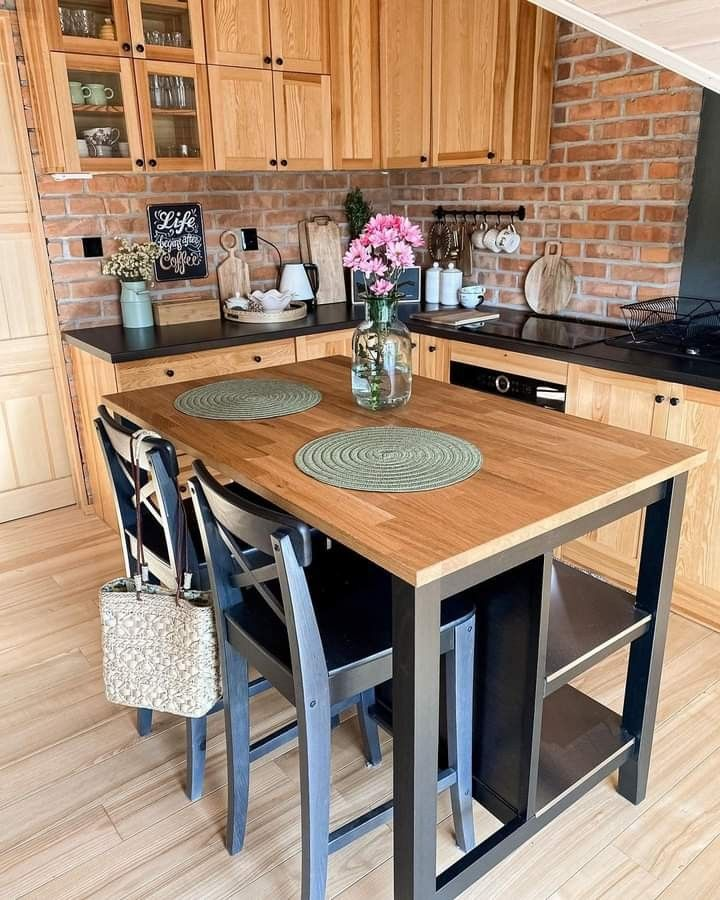
A kitchen island can offer much more than counter space—it can double as a powerful storage hub when designed thoughtfully.
Islands with built-in drawers, cabinets, or open shelving provide convenient access to items like utensils, mixing bowls, cutting boards, or even dry goods. This layout consolidates prep, cooking, and cleanup tools into one accessible zone.
Some DIY enthusiasts repurpose dressers or old cabinets as island bases, adding a butcher block top and locking casters for mobility.
Others retrofit existing islands by adding pull-out baskets, vertical dividers, or hidden trash bins to make better use of internal space.
The key to functional island storage is intentional zoning. One side can hold everyday cookware, while the other hides small appliances or baking essentials. Open shelving can display cookbooks or dishware without sacrificing practicality.
In compact kitchens, multi-purpose islands often serve triple duty—as a prep station, dining space, and organizer.
Their central location makes them ideal for grabbing essentials quickly, improving workflow during busy mornings or large meal preps.
Customizing an island to fit your specific storage needs adds value both visually and functionally, making it a smart investment in a well-organized kitchen.