
Cramped shelves, cluttered cans, and chaotic snack bins can make even the most beautiful kitchens feel stressful.
When every square inch counts, smart pantry organization turns a tiny space into a powerhouse of function and style.
With the right systems, small pantries can store more, look neater, and save precious time during busy routines.
Whether you’re working with a single cabinet or a compact walk-in, this guide reveals highly practical, visually appealing solutions that actually work for real homes.
Let’s break down the best tried-and-true ideas that maximize space without sacrificing aesthetics—perfect for everyday households looking for real results.
Repurpose Glass Jars with Painted Lids
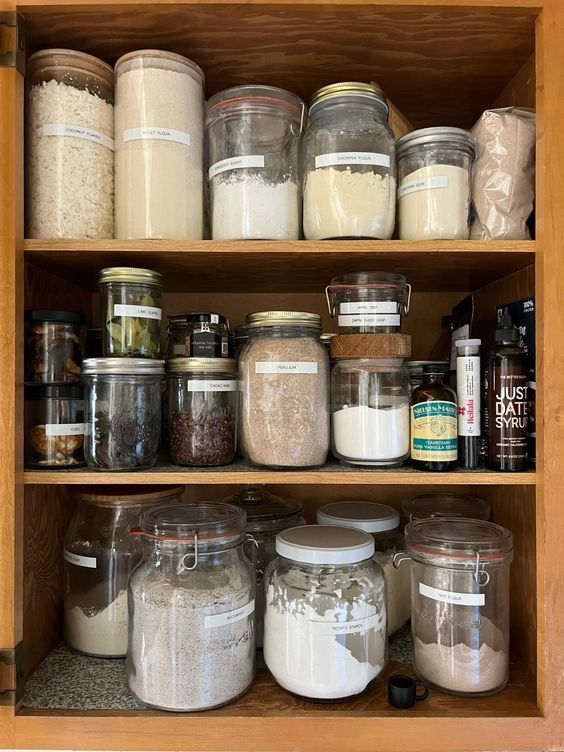
Old glass jars can be more than just storage—they’re an easy upgrade for your pantry’s aesthetic and functionality. Instead of tossing spaghetti sauce or pickle jars, remove the labels, thoroughly clean them, and spray-paint the lids in soft matte tones like ivory, sage, or charcoal.
This small touch adds visual consistency without the expense of buying new containers. Glass jars are ideal for storing bulk dry goods such as rice, lentils, pasta, nuts, and even loose-leaf teas.
Their transparency allows for quick identification, and airtight seals help preserve freshness. Label each jar with waterproof decals or a chalk marker for easy updates.
They’re stackable in some configurations, especially when paired with simple wire baskets or wooden trays to group categories. Reusing jars also supports sustainability—a growing concern among modern homeowners looking to reduce waste.
Use uniform-sized jars for a neater look or mix shapes for visual interest while maintaining cohesive lid color. This method works particularly well in shallow pantry shelves, where depth is limited but vertical space is available.
With this low-cost, practical solution, you not only gain visual appeal but also maintain better inventory control, reducing duplicates and expired food clutter.
Utilize Over-the-Door Organizers
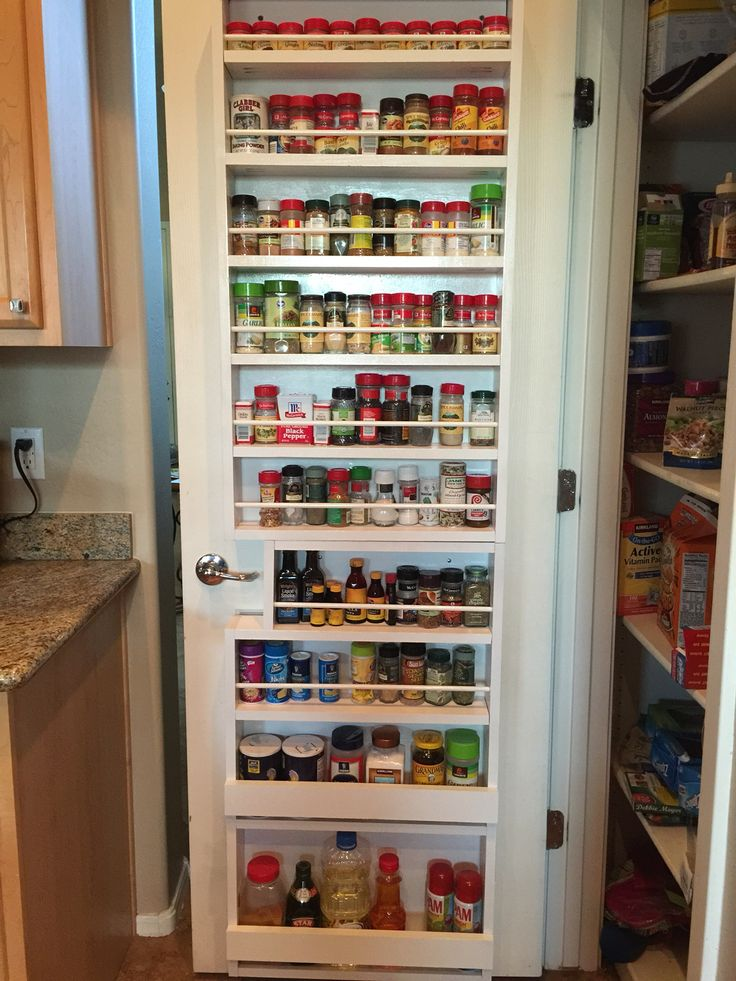
Wall-mounted and hanging solutions offer powerful storage potential in overlooked spots. The back of a pantry or nearby utility door becomes a vertical asset when fitted with a quality over-the-door organizer.
Opt for metal mesh or clear acrylic designs with adjustable baskets, making it easy to fit various pantry items—from spice packets and granola bars to jars and foil rolls.
For renters, no-drill models with secure hooks provide a damage-free option. This setup is especially useful in narrow or galley-style kitchens where cabinet space is tight and accessibility matters.
Lighter items should occupy the higher tiers, while heavier goods like condiments or canned foods can be stored at waist height. Prioritize daily-use products in the middle rows to streamline meal prep.
To maintain a clean appearance, match the organizer finish to your kitchen hardware—brushed nickel or matte black often blends seamlessly.
These organizers also work well as overflow storage when the primary pantry is full, helping you avoid cluttered counters. Regularly rotate items to prevent expired products from accumulating.
As a bonus, this approach frees up primary shelf space for bulkier goods, giving your small pantry a more open, efficient feel while optimizing every square inch of available surface.
Convert Desk Organizers for Pantry Use
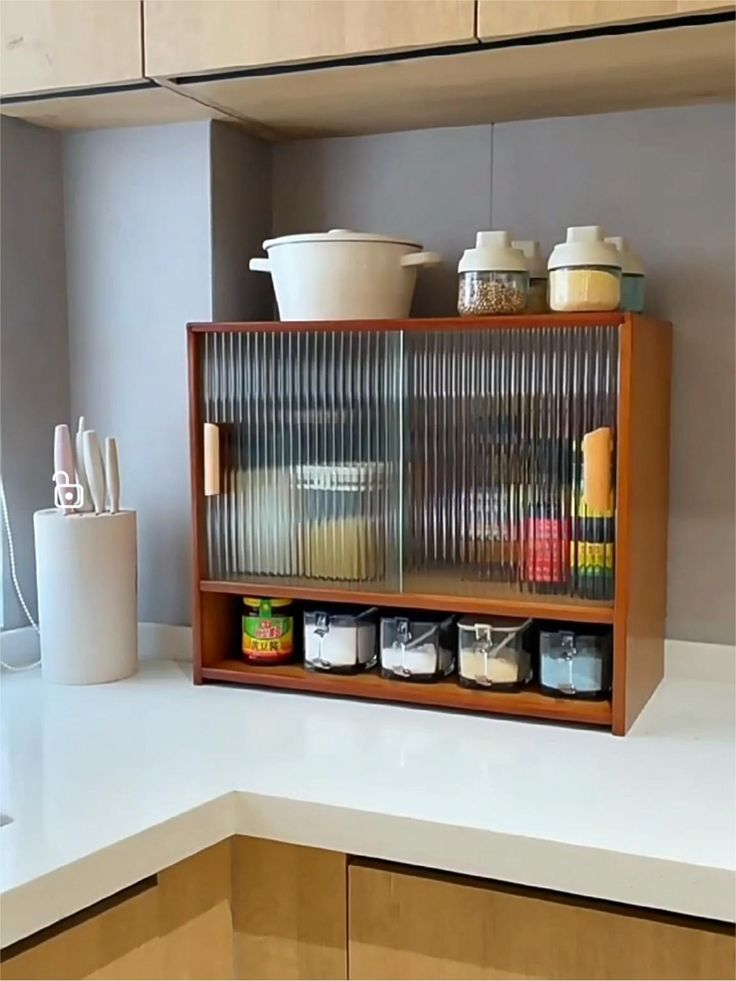
Reimagining household items for kitchen use is a smart move, especially when you’re working with limited pantry space. Mesh or acrylic desk organizers—typically used for folders, pens, or stationery—can serve as compact bins for seasoning packets, tea sachets, snack bars, and food wraps.
Their narrow dimensions make them perfect for tucking into small shelves or pull-out drawers. Vertical file holders stand upright to keep cutting boards, foil, or ziplock bags in order.
Drawer dividers originally made for office supplies can help segment small pantry items that typically get lost in clutter. These organizers also add a touch of structure, which is essential when you’re managing numerous small items.
Look for stackable designs to further maximize height where depth is shallow. Matching finishes or materials ensures visual harmony, while transparent versions offer quick visibility.
This hack works well for renters and budget-conscious homeowners alike, requiring no installations or modifications. Plus, you can move the organizers around as your needs evolve.
The versatility of these desk tools makes them ideal for dynamic pantry setups, especially in multipurpose closets or converted cabinet pantries.
With this strategy, your storage becomes not only more accessible but also far more intentional and user-friendly.
Implement Lazy Susans for Easy Access
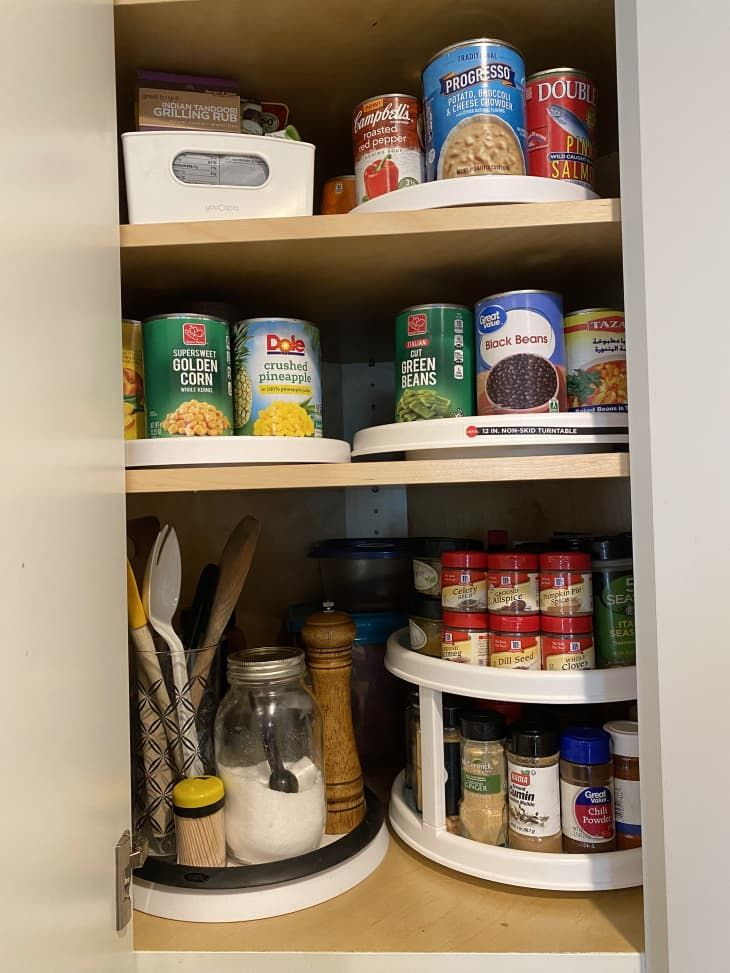
Corner shelves and deep cabinets often become disorganized due to poor visibility, but a rotating tray solves this with minimal effort. A turntable, commonly known as a Lazy Susan, allows for quick, 360-degree access to everything from condiments and canned goods to baking supplies and oils.
Available in single, double, or tiered levels, these organizers are perfect for awkward pantry corners that would otherwise go unused. Choose models with raised edges or non-slip surfaces to keep items secure during rotation.
Clear acrylic versions offer a sleek look and make identifying products easier, while wooden options add warmth to more rustic pantry setups. To keep categories distinct, use one Lazy Susan for baking items and another for sauces or spreads.
Smaller versions also work well inside cabinet-style pantries or even the fridge, further boosting functionality. They’re ideal for renters since they require no installation and can be relocated easily.
Beyond accessibility, this method encourages better product rotation, ensuring older items don’t get buried and forgotten.
With regular use, you’ll find meal prep and restocking dramatically simplified. Efficient, affordable, and adaptable, these spinning organizers bring smart function to even the tightest pantry corners.
Use Tiered Shelf Risers
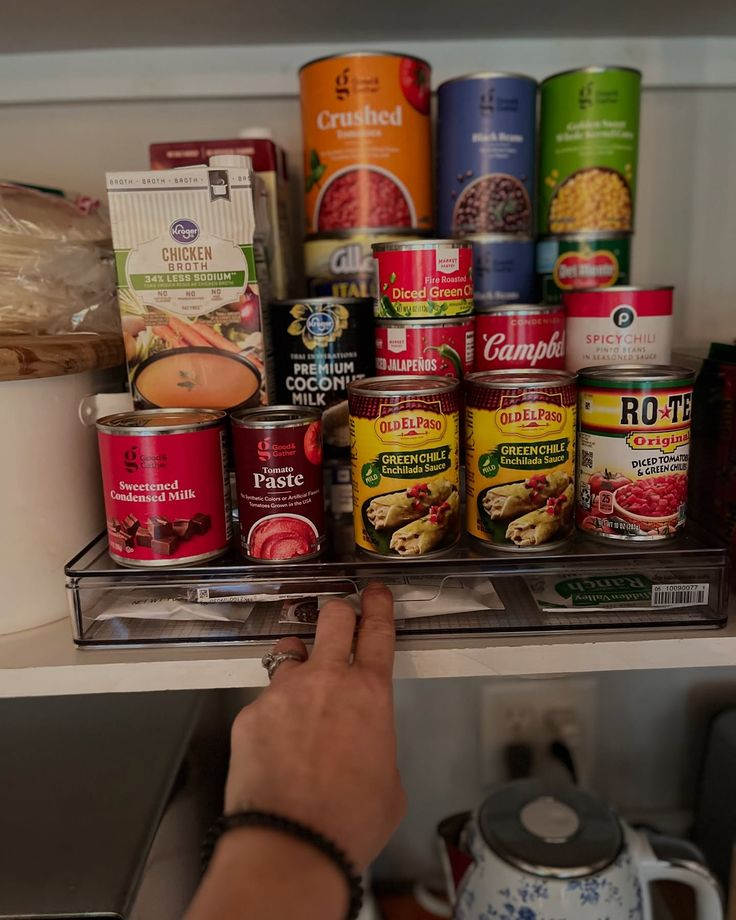
Pantries with deep shelving often suffer from poor visibility and inefficient use of space. A tiered shelf riser instantly changes that by creating levels that showcase items typically hidden behind others.
Available in wood, acrylic, or metal finishes, these stepped organizers help elevate jars, cans, and spices so everything remains in clear view. Ideal for standard cabinet pantries or shallow shelves, risers prevent you from overbuying duplicates or forgetting what’s already stocked.
Look for adjustable or expandable models to fit your exact shelf width. Rubber feet or anti-slip pads keep the structure stable when loading heavier items.
For added clarity, pair each level with minimal labeling or use color-coded stickers to separate food categories. Tiered risers are especially helpful for organizing canned goods in tight spaces, ensuring labels remain visible and accessible without the need for digging.
Their versatility also extends to non-food items—think cleaning supplies or backup toiletries stored in utility pantries. Maintenance is simple: a quick wipe-down keeps them clean, and they’re easy to relocate when reorganizing.
This no-drill, budget-friendly upgrade transforms chaotic, single-layer shelves into structured, high-functioning zones—ensuring even the smallest pantry reaches its full storage potential.
Incorporate Clear Stackable Bins
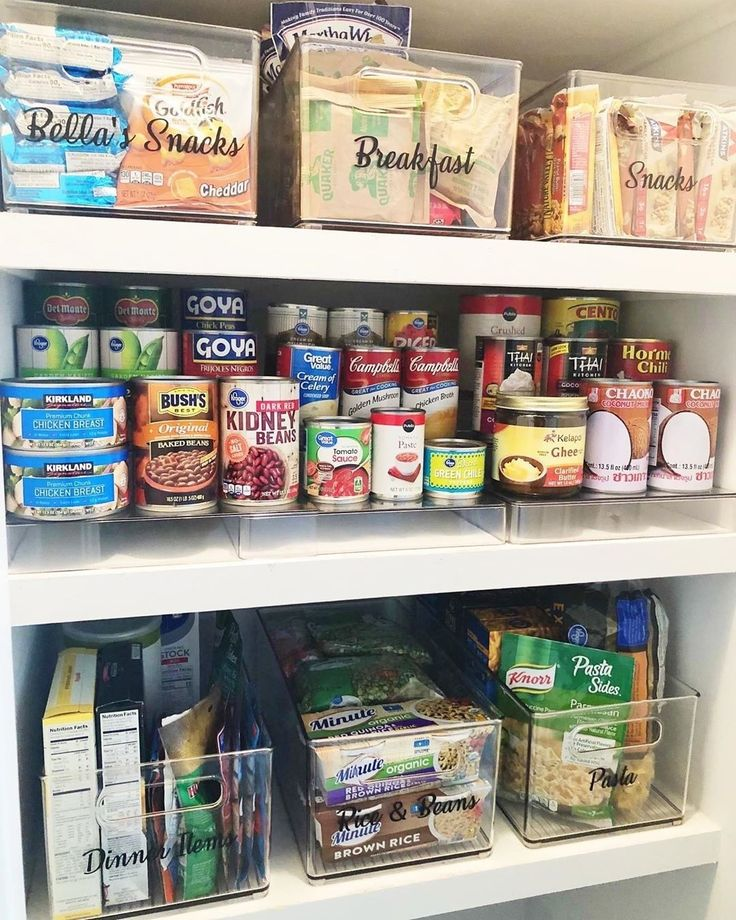
Visibility and structure matter most in a small pantry. Transparent stackable bins let you see exactly what you have at a glance while maintaining order across every shelf.
These bins are especially useful for grouping snack packs, grains, seasoning mixes, or meal kits, keeping everything accessible without digging. Go for uniform shapes to optimize vertical space and prevent tipping.
Modular bins with flat lids allow for stable stacking, which is ideal for shallow pantries or cabinets with limited height clearance. Clear plastic with built-in handles makes it easy to pull a whole bin down when needed.
For even greater functionality, opt for BPA-free versions that are food-safe and durable. This system also simplifies your shopping routine—seeing gaps instantly reminds you what’s running low.
You’ll waste less and avoid unnecessary duplicates. Bins with low fronts are great for kids’ snacks or breakfast items, offering easy grab-and-go convenience. When every item has a designated spot, the space feels instantly more open and manageable.
Regular maintenance becomes second nature, and the risk of clutter vanishes. Whether stored on wire racks, deep shelves, or even inside cabinets, stackable bins are a reliable solution for bringing lasting structure and clarity to a tiny pantry setup.
Install Pull-Out Drawers
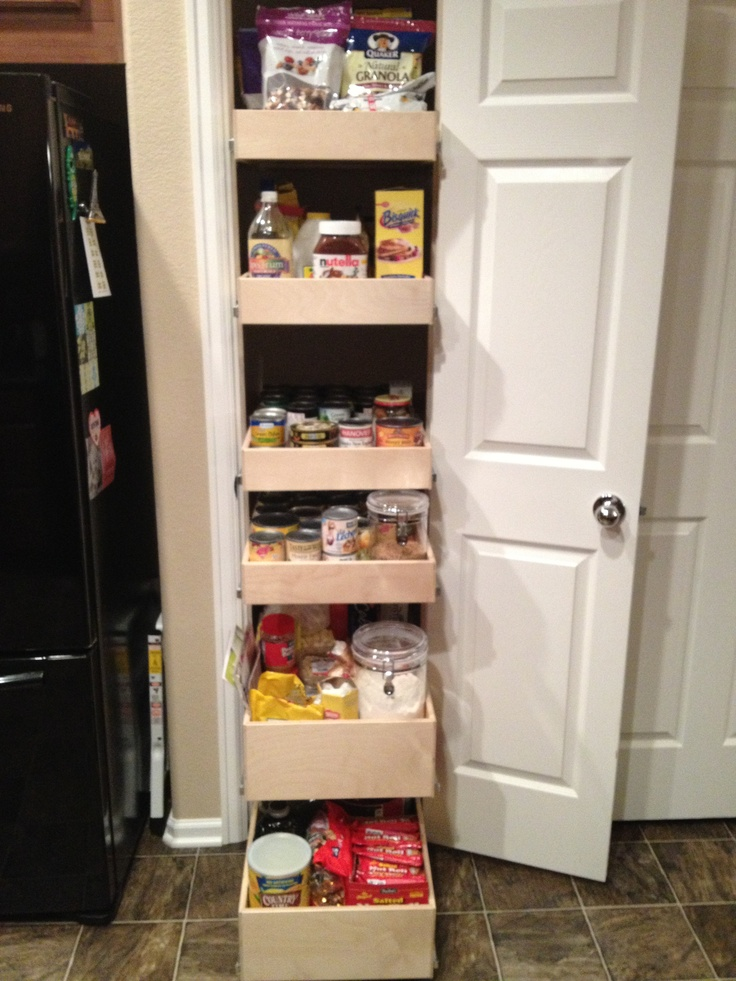
Deep shelves often hide pantry essentials, causing items to expire before they’re ever used. Installing pull-out drawers solves that problem by making everything visible and reachable.
Whether mounted on bottom cabinets or inside tall pantry units, these sliding trays offer smooth, guided access to staples like canned goods, bottles, or baking supplies.
Choose full-extension rails so nothing gets stuck at the back, and look for models with raised edges to prevent tipping. Wood, wire, or acrylic options can suit various pantry aesthetics—just match them with your shelf dimensions and weight requirements.
For renters or those looking to avoid drilling, adhesive or freestanding drawer units provide a flexible alternative. This solution is ideal for households that rely on bulk items or multipacks, helping maintain an organized, efficient pantry where every inch counts.
Grouping similar items on the same drawer also speeds up meal prep. Children and seniors benefit from this accessibility, too, especially when stored at mid-height levels.
Cleaning is easy since these drawers can often be removed and wiped down in minutes. With consistent use, pull-out drawers prevent overstocking and significantly reduce daily frustration, transforming underused cabinet depths into functional, user-friendly storage zones in any small kitchen layout.
Label Everything Clearly
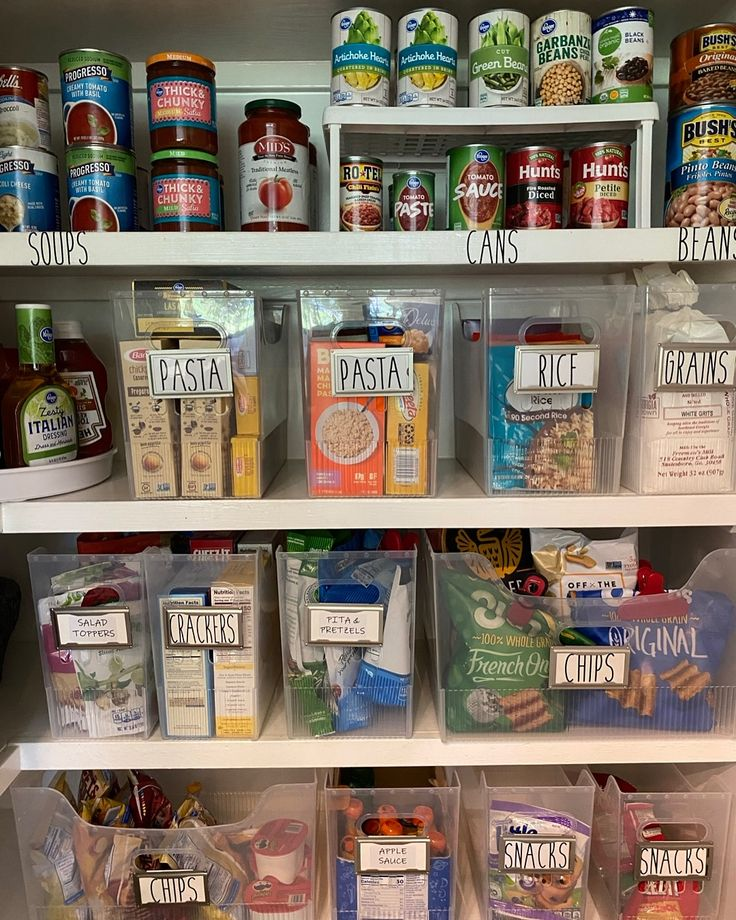
Knowing exactly where things belong saves time and prevents clutter. Clear, uniform labeling is one of the simplest yet most effective ways to maintain pantry organization.
Use waterproof labels or chalkboard decals to identify everything from grains and spices to snacks and canned foods. When every container has a designated name, everyone in the household knows where items should be returned—minimizing mess and streamlining restocking.
For a consistent look, choose matching fonts or pre-printed label sets that complement your containers. If you prefer flexibility, label makers or erasable markers offer quick updates.
Categories like “Breakfast,” “Baking,” or “Snacks” not only clarify use but also help track inventory at a glance. In shared spaces or large families, this system reduces confusion and accidental purchases.
For best visibility, place labels at eye level or on the front-facing side of each bin, basket, or jar. Transparent containers combined with crisp labels elevate functionality by cutting down on search time.
This small step becomes essential when managing limited space, ensuring every inch works efficiently.
Even the most minimal pantry setup benefits from clear labeling—it adds a sense of structure, prevents food waste, and helps maintain long-term order with minimal daily effort.
Group Items by Category
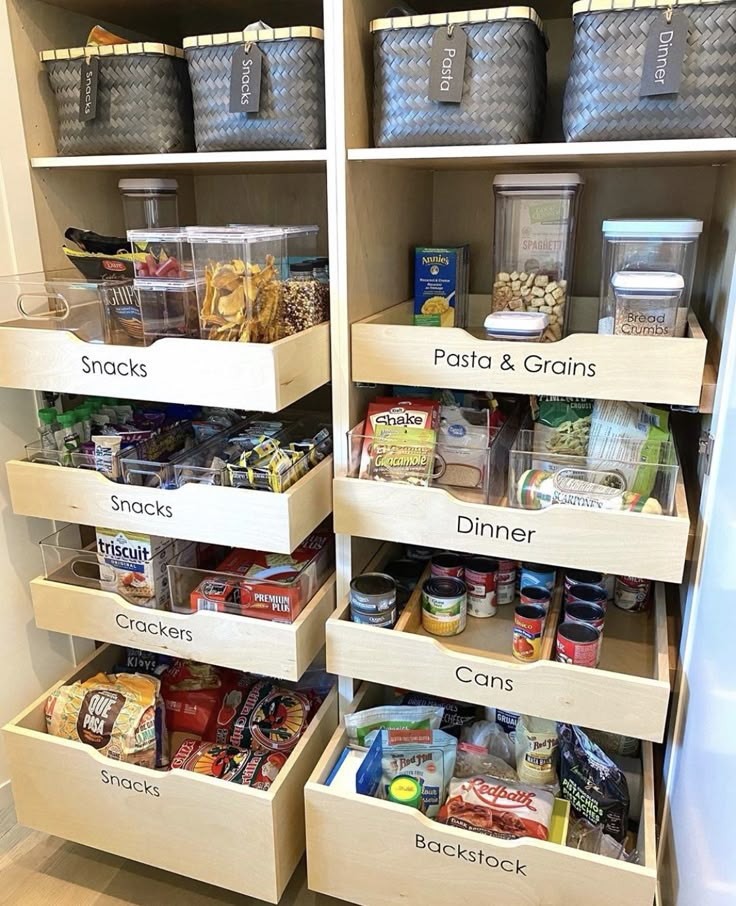
An organized pantry runs on logical zones. Sorting food by category ensures items are easy to find, quick to put away, and simple to keep tidy. Designate shelf sections for common themes—breakfast supplies, baking essentials, canned goods, or snacks.
This setup mirrors how you shop and cook, reducing time spent searching. Place high-use items at arm’s reach, while less-used categories can go higher or lower. This also minimizes cross-contamination between food types.
Grouping similar items together allows you to see how much you actually have, making meal planning more efficient and cutting back on duplicates. Transparent containers, trays, or baskets can reinforce each category visually.
Labels further support the system, especially for shared households. This structure is scalable, meaning it works whether you have a single cabinet or a full walk-in pantry.
By aligning items by purpose and usage frequency, the space becomes intuitive and practical. Weekly resets are quicker, and kids or guests can navigate it without confusion.
Organized by category, your pantry becomes a smart support system instead of a daily hassle. This simple strategy adds flow and usability, ensuring your space performs well even when every square inch is under pressure.
Use Wire Baskets for Produce
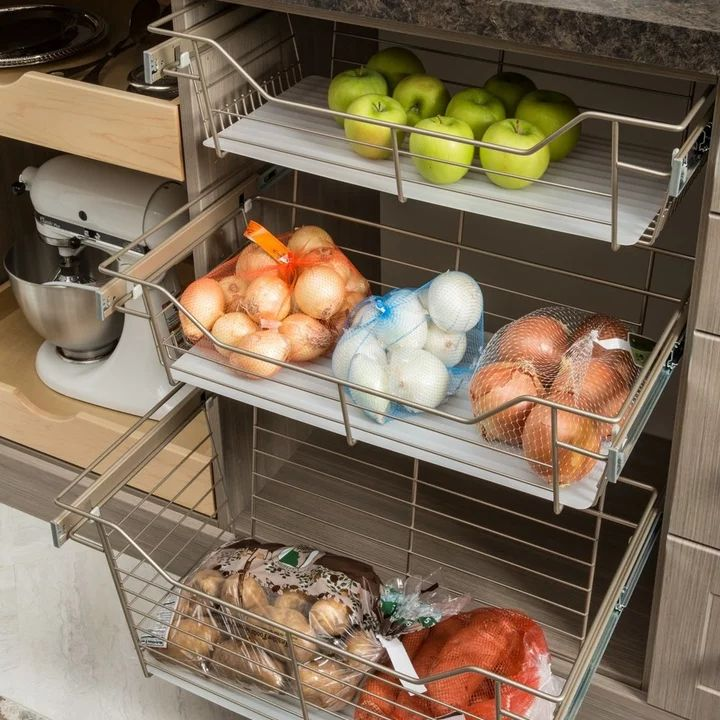
Produce storage requires airflow and visibility—two things wire baskets deliver effortlessly. These open-weave containers prevent moisture buildup, making them ideal for storing onions, potatoes, garlic, or even citrus fruits.
Unlike enclosed bins, they allow your produce to breathe, extending freshness and minimizing spoilage. Stackable metal baskets can be placed on pantry floors, mounted under shelves, or lined up on lower levels for easy access.
Look for powder-coated finishes to avoid rust and match your kitchen’s aesthetic. Some designs include handles for portability, letting you carry produce straight to the counter during meal prep.
For households that buy in bulk, large capacity baskets make overflow management easier without sacrificing ventilation.
Consider labeling each basket to keep similar items together and avoid confusion. These containers are especially useful for pantry zones with inconsistent airflow or varying temperatures.
Lightweight yet durable, they’re also a renter-friendly solution—no installation required. If you prefer a cleaner look, add linen liners while still allowing ventilation.
With proper use, wire baskets not only improve function but also introduce a touch of rustic charm to your storage setup. Their practicality and visual simplicity make them a dependable tool in any well-managed small pantry.
Hang Measuring Cups and Spoons
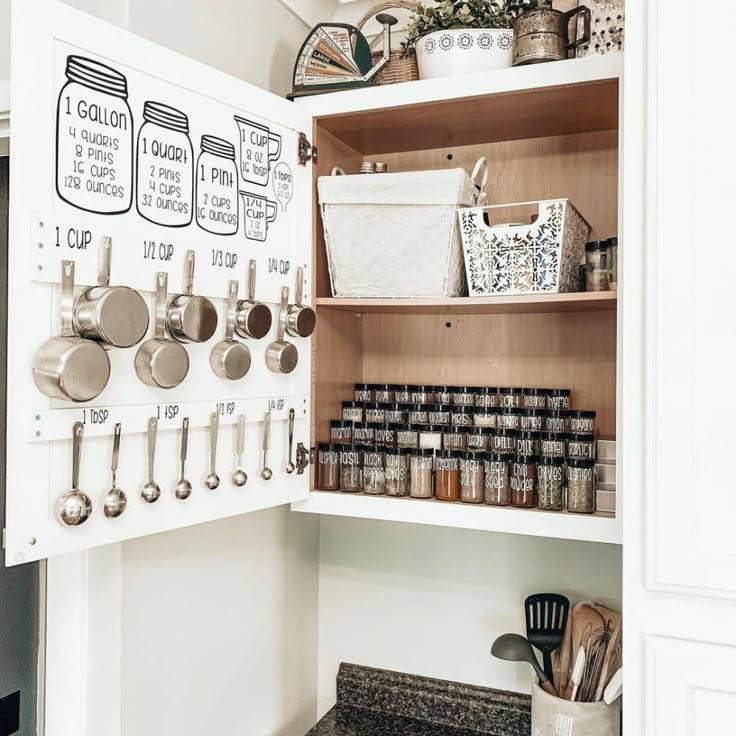
Small items like measuring cups and spoons tend to disappear into kitchen drawers, often at the exact moment you need them.
Mounting a set of simple hooks on the inside of your pantry door or on an unused side wall keeps these essentials within reach and organized. Adhesive hooks or screw-in options both work, depending on whether you’re renting or have permanent cabinetry.
Arrange by size or function to avoid rummaging during food prep. Lightweight metal tools hang especially well and stay visible, while labeled pegs can help keep sets together.
For added convenience, hang measuring equivalents or conversion charts nearby, turning this area into a functional prep zone. This system is also ideal for freeing up drawer space in smaller kitchens, making it a smart solution for compact layouts.
When tools are hung individually, they’re less likely to nest, rust, or get misplaced. Regular use becomes seamless when you can grab what you need without digging through clutter.
Even a narrow strip of wall space can support a row of hooks, instantly adding purpose to an overlooked area.
This simple method boosts efficiency, maintains order, and helps ensure your kitchen routines stay smooth, especially during busy cooking sessions.
Create a Snack Cart
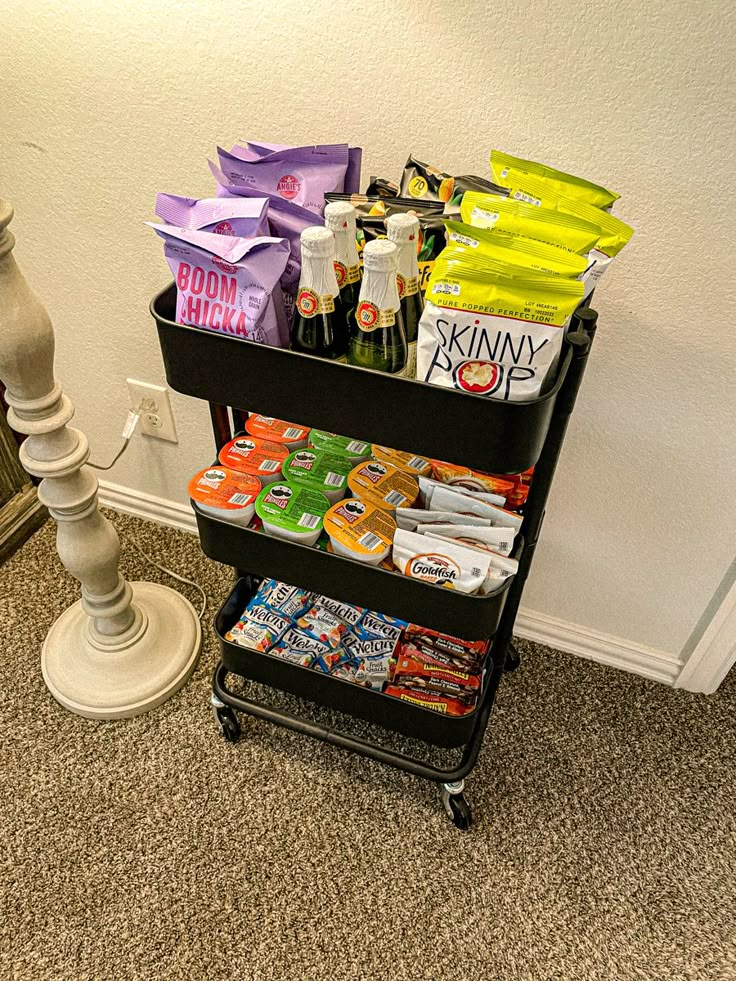
Keeping snacks organized in a small pantry can quickly become chaotic without a dedicated solution. A tiered rolling cart solves that by creating a mobile snack station that can be tucked beside the pantry or rolled out during busy mornings.
Select a cart with three to four levels and use bins or dividers to sort granola bars, chips, fruit packs, and more. Wire or acrylic carts are best for visibility and airflow, while baskets help conceal clutter.
Place frequently used items on the top for quick access, and rotate less-used treats to lower shelves. This setup is ideal for families with kids—label each tier for easy navigation or assign specific snacks per family member.
The cart can also double as a lunchbox prep zone or hold backup pantry items during restocking weeks. Since it’s portable, you can roll it closer to the dining area or kitchen counter as needed, then slide it back out of the way.
For smaller homes, this approach adds flexibility without sacrificing floor space. The mobility and customization of a snack cart make it one of the most practical and family-friendly tools for staying organized while accommodating ever-changing pantry needs.
Use Chalkboard Paint for Notes
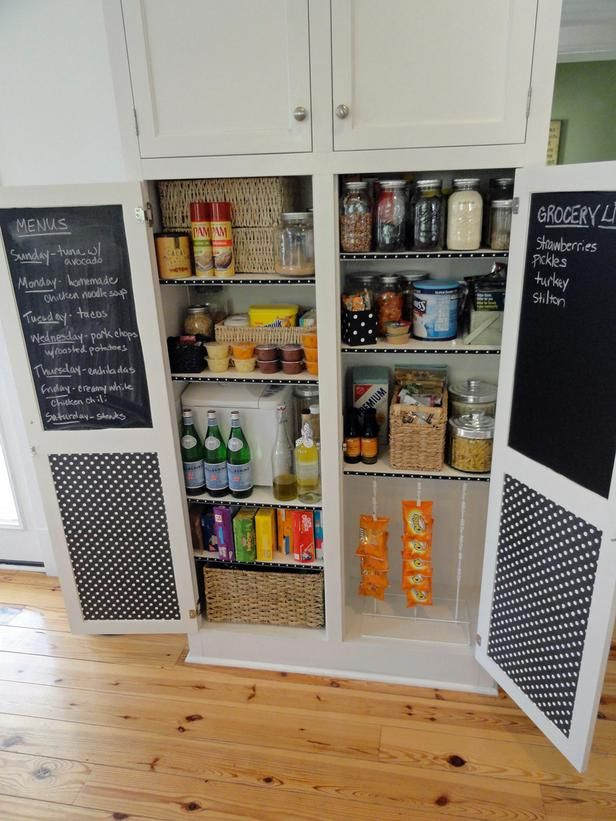
Blank surfaces in or around your pantry offer an opportunity for communication and clarity. A small section of chalkboard paint turns any wall or door into a live command center for household needs.
Whether you jot down a running grocery list, weekly meal plans, or pantry inventory reminders, the visibility keeps everyone informed. Ideal for busy households, this surface encourages real-time updates—simply wipe and rewrite as needed.
For renters or those hesitant to paint, peel-and-stick chalkboard sheets provide a damage-free option that’s easy to remove. Keep a chalk pen or piece of chalk nearby in a mounted holder or magnetic clip for quick access.
This space-saving solution works well on the inside of pantry doors, above a snack zone, or near the kitchen entry. It eliminates the need for scattered paper lists or digital reminders that often go unchecked.
If multiple people manage meals or snacks, this visual tool aligns everyone’s expectations. Even minimalist kitchens benefit from this practical upgrade, which doubles as a decor accent if framed or customized with headers like “To Buy,” “Don’t Forget,” or “Use First.” Ultimately, this creative use of wall space keeps your pantry running efficiently while reducing waste and missed purchases.
Install Under-Shelf Baskets
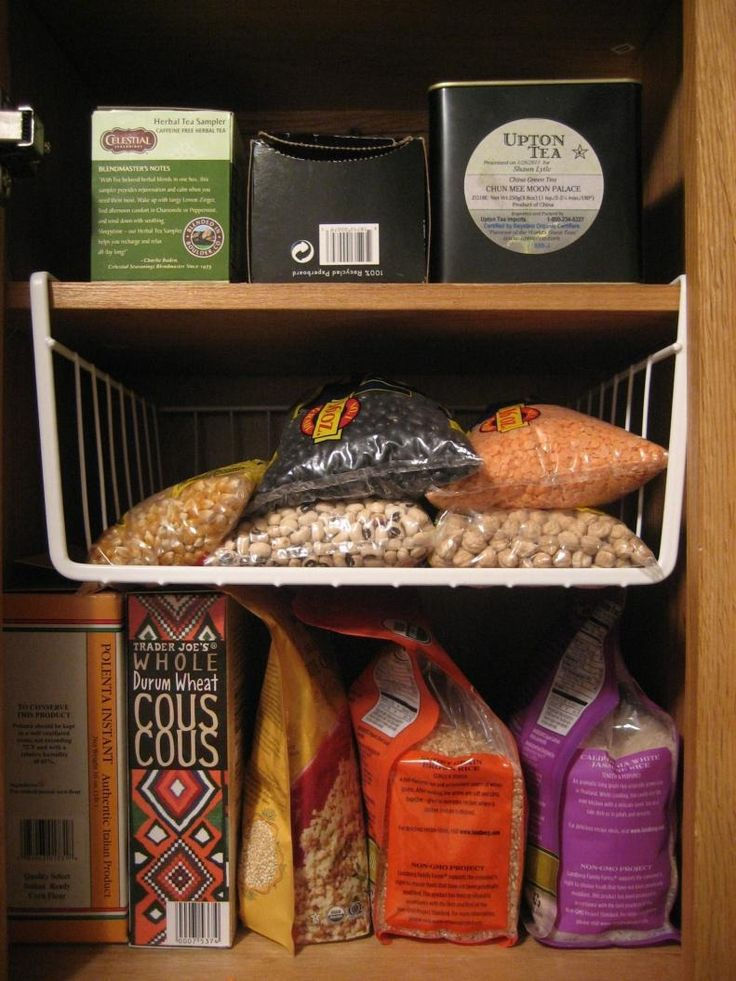
Wasted vertical space between pantry shelves is a common oversight, but under-shelf baskets can change that instantly. These clip-on solutions slide underneath existing shelves to hold lightweight items such as napkins, foil packets, snack pouches, or sandwich bags.
Wire models are the most common, allowing visibility and ventilation while staying sturdy. Before purchasing, measure your shelf thickness and spacing to ensure a snug, secure fit.
Installation requires no tools, making it a smart option for renters or those wanting to avoid permanent modifications. These baskets work well in pantries with adjustable shelving, offering flexibility as storage needs shift.
They’re particularly useful in households with limited drawer space, as they mimic the function of shallow pull-outs. Placing similar small items together inside the basket improves accessibility while freeing up main shelf surfaces for larger goods.
Labeling the front edge can prevent mix-ups and help maintain long-term order. These baskets are also a clever way to keep meal kits or lunch supplies organized without cluttering up the main shelves.
With their simple functionality and low-profile design, under-shelf baskets offer a reliable solution to expand usable space in any pantry setup, making the most out of every square inch without any hassle.
Rotate Seasonal Items
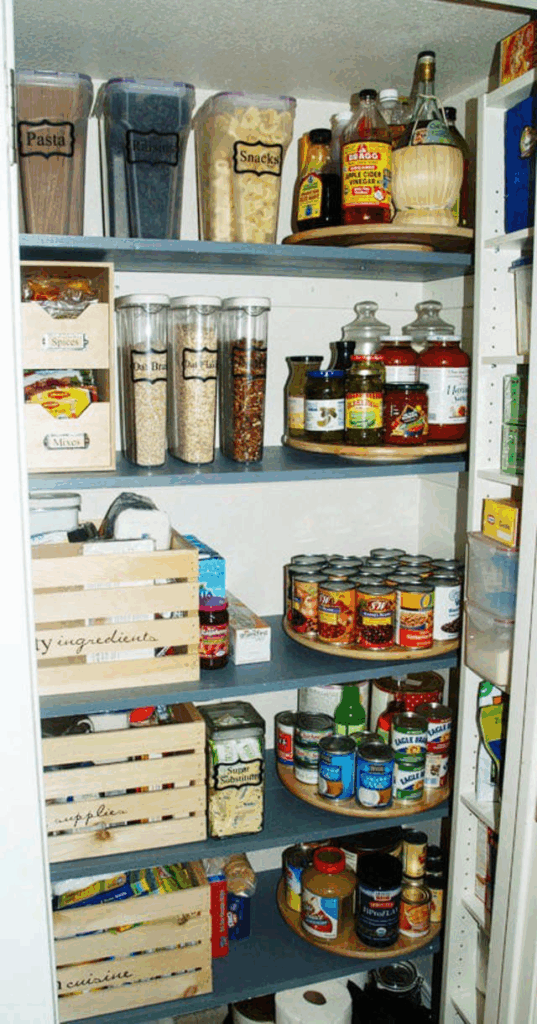
Over time, pantry shelves tend to collect outdated, seasonal, or forgotten items that take up valuable space. Rotating pantry contents based on seasonal use helps prevent waste and keeps the layout efficient year-round.
Before a new season begins, do a quick audit of shelf-stable goods and adjust accordingly—pumpkin puree and holiday spices can shift to back shelves in spring, while grilling marinades or picnic items move forward.
Use labeled bins or baskets to corral seasonal ingredients together for easy identification and storage. If shelf space is tight, pack rarely used items into sealed containers and store them in nearby utility closets until needed again.
This method is particularly helpful for managing bulk purchases or limited deep storage areas. Having an intentional system in place also encourages more mindful shopping and meal planning.
When each season’s top-used items are front and center, meal prep becomes quicker and more intuitive. Rotate on a quarterly basis to stay aligned with your family’s needs and avoid stockpile build-up.
This practice ensures your pantry remains fresh, clutter-free, and easy to navigate—regardless of how small the space may be. A simple seasonal check-in can make a surprising impact on long-term organization and efficiency.