
Limited square footage doesn’t have to mean limited storage. Small rooms often challenge even the most organized households, making every inch count more than ever.
With the right storage ideas, tight spaces can function just as efficiently as larger ones—without feeling cramped or cluttered.
From multi-purpose furniture to hidden storage hacks, simple upgrades can drastically improve how your space looks and functions.
Whether you’re dealing with a compact bedroom, studio apartment, or shared family area, smart storage can make daily life smoother.
This guide shares the best small room storage ideas designed to maximize space while keeping everything accessible and stylish.
Under-Stair Storage Drawers
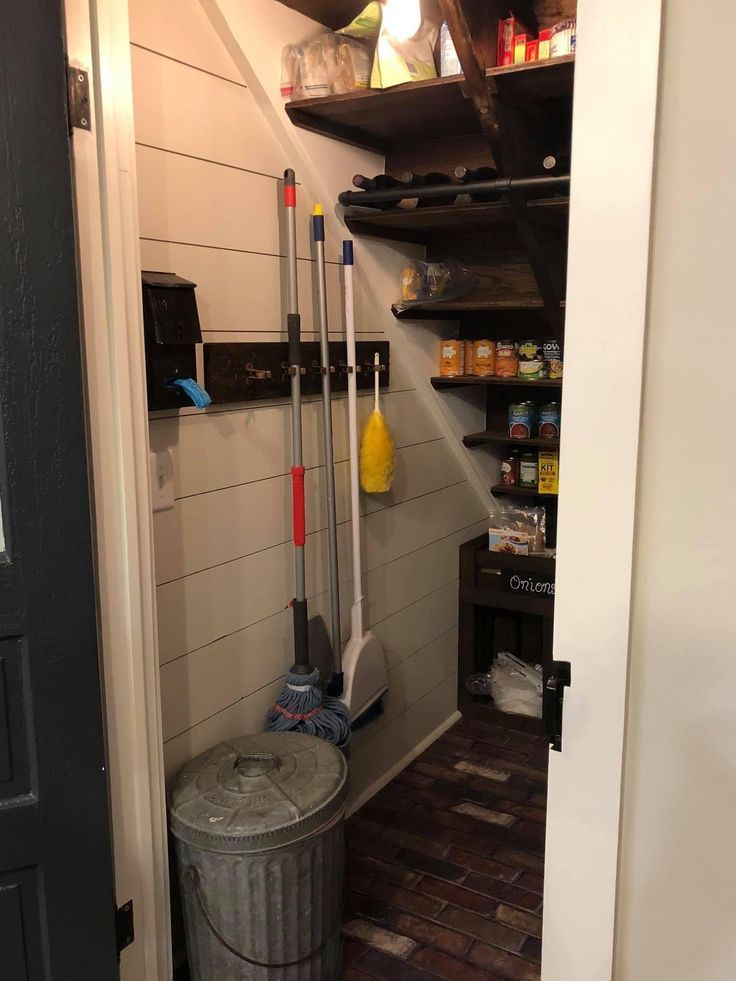
Every inch matters in a small room, and the space beneath the stairs is often left untouched. Instead of allowing that area to collect dust or clutter, consider building pull-out storage drawers directly into the stair structure. These custom-fitted compartments can house anything from seasonal clothing and linens to cleaning supplies or shoes, depending on your household needs.
Homeowners who struggle with cramped closets or lack of pantry space will appreciate how seamlessly these drawers tuck into the wall, leaving walkways open and functional. Full-extension drawer slides make it easy to access the contents without bending or reaching deep into dark corners.
A well-planned design allows each step or section to serve a purpose. Shallow drawers work well for lightweight items, while deeper units near the base of the stairs can accommodate bulkier belongings. Many designs feature flat drawer fronts that blend in with the surrounding trim, maintaining a clean and cohesive look in hallways or living rooms.
Whether you’re renovating or building new, this storage method is an intelligent use of vertical and horizontal square footage. With the right carpentry, under-stair drawers are an excellent long-term solution to the clutter challenges faced in small-space living environments.
Ceiling-Mounted Hanging Baskets
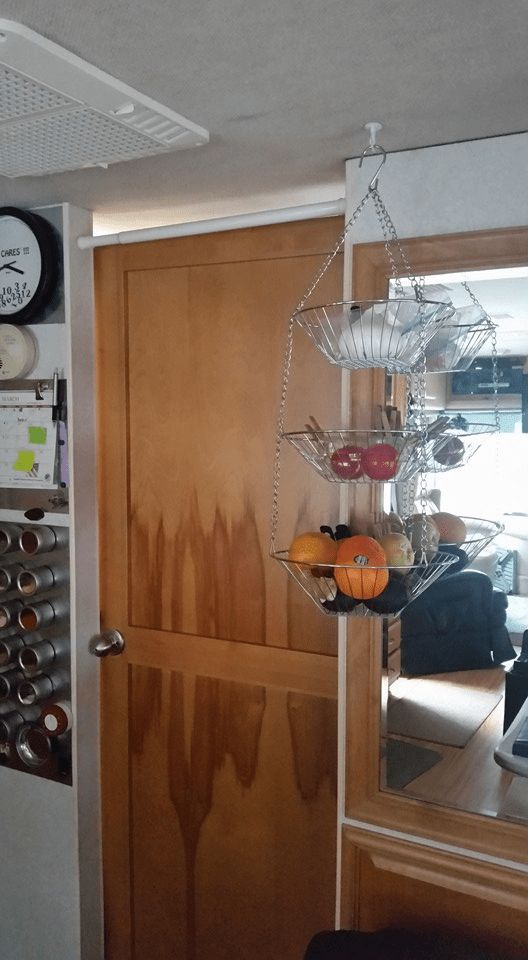
Utilizing unused overhead space can offer surprising relief in cluttered quarters. Ceiling-mounted hanging baskets, especially in kitchens, bathrooms, or home offices, provide an efficient way to store frequently used items while preserving precious floor and shelf space.
Wire or woven baskets suspended from hooks or track systems can hold fruits, vegetables, office supplies, or even rolled towels. When installed properly, they remain stable and within reach, especially when layered at varying heights to allow visibility and access. This type of storage especially benefits rooms with limited cabinetry or wall-mounted shelving.
For renters or those hesitant to drill into ceilings, tension rod-style hanging solutions or adhesive ceiling hooks with lightweight baskets offer alternatives. However, for heavier contents, secure anchoring into ceiling joists is essential. A neat row of ceiling baskets above a kitchen sink or workstation offers both practicality and visual interest without overwhelming the space.
This method is especially popular in boho or farmhouse-style interiors, but it adapts easily to modern spaces with clean-lined metal or mesh baskets. Functional and aesthetic, ceiling-mounted storage helps declutter counters and drawers while taking advantage of vertical airspace that typically goes unused in compact rooms.
Magnetic Wall Organizers
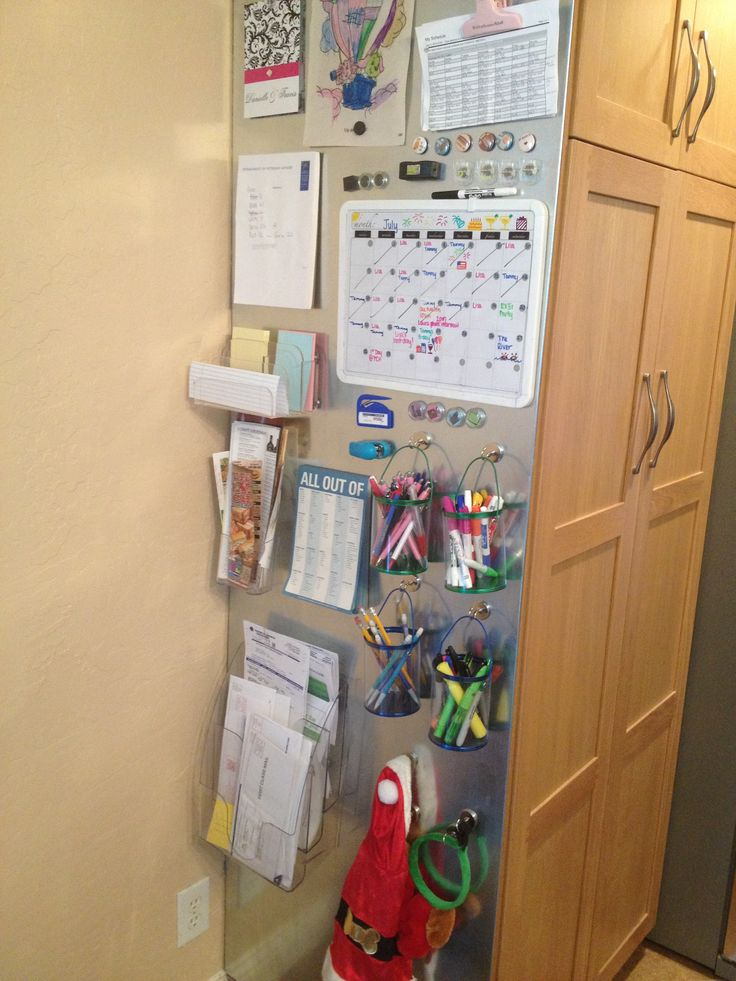
When square footage is limited, wall real estate becomes incredibly valuable. Magnetic wall organizers offer an adaptable storage solution for bedrooms, kitchens, bathrooms, or even entryways. From magnetic spice jars in the pantry to clip-on baskets in a craft room, these organizers are ideal for lightweight items you need easy access to.
Installation is quick and often damage-free. Steel-backed adhesive panels or magnetic boards form the foundation, while small containers, hooks, or holders attach securely using strong magnets. This makes rearranging or expanding the layout simple without tools or wall damage.
Ideal for renters or dorm dwellers, this type of system works especially well in tight spaces like behind doors, inside closet panels, or along narrow walls. Organize beauty tools, office stationery, cables, or cooking essentials with ease. In kids’ rooms, magnetic containers can keep school supplies off the desk and within easy reach.
Minimalist in appearance yet high in functionality, magnetic wall organizers maintain order without bulk. For small rooms where traditional shelving may feel intrusive or impractical, this solution ensures you can maximize utility without sacrificing aesthetic or flow.
Fold-Down Wall Desks
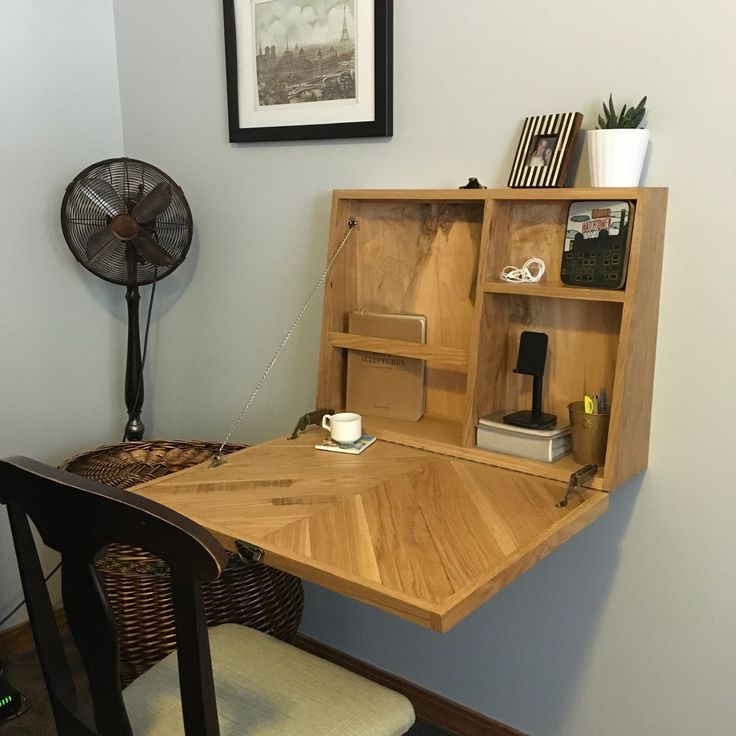
Making space for work or study in a small room doesn’t mean sacrificing function or style. Fold-down wall desks offer a smart solution for anyone needing a workstation that disappears when not in use.
Mounted directly onto the wall, these desks typically feature a hinged surface that folds down for use and tucks back up to sit flush against the wall, often doubling as a chalkboard, corkboard, or framed panel. This flexibility makes them ideal for bedrooms, studio apartments, or multi-purpose rooms.
Built-in storage compartments within the fold-down structure can hold essentials like notebooks, pens, or chargers, allowing users to maintain a clutter-free work area. Whether placed near a window for natural light or tucked into an unused corner, the compact footprint ensures the rest of the room remains open.
Proper mounting into wall studs is essential for safety and durability, especially if you plan to place a laptop or books on the surface. Available in a variety of materials and finishes, these desks can suit modern, industrial, or even farmhouse interiors.
For people juggling space and productivity, fold-down wall desks deliver the function of a home office without permanently occupying limited square footage.
Over-Door Shoe Racks
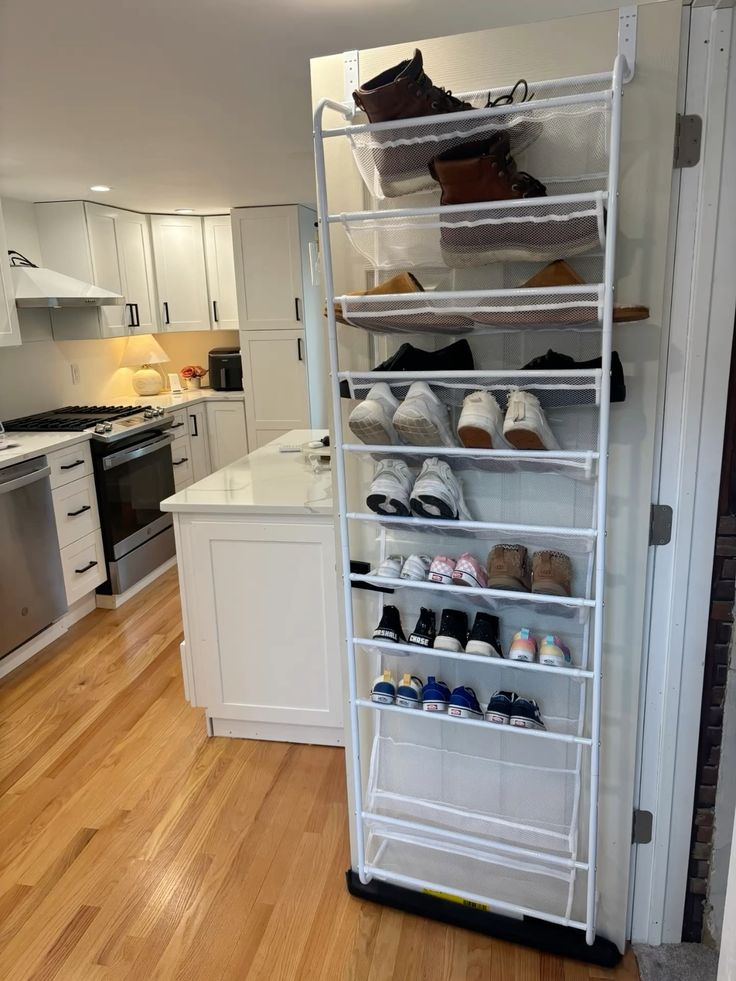
Overlooked doors offer untapped potential in small-room storage. Over-door shoe racks take full advantage of vertical space and help keep floors clear and clutter-free. These racks are especially useful in bedrooms, entryways, or dorm rooms, where closet space is minimal or nonexistent.
With multi-tiered compartments made from fabric, wire, or plastic, they hang easily over standard doors without the need for drilling or mounting hardware. Shoes stay organized, visible, and accessible without taking up precious closet or floor space. Beyond footwear, many people repurpose these racks to store toiletries, baby supplies, craft materials, or pantry items.
Some designs feature transparent pockets for quick identification, while others offer deep slots to accommodate bulkier shoes like boots or sneakers. Reinforced hooks and weight distribution across the door help prevent sagging or damage to the hinges.
For households with multiple residents or limited closets, this solution adds instant organization in a previously ignored spot. The simplicity of setup and versatility of use make over-door racks one of the most practical tools for anyone looking to improve storage without making permanent changes to the room.
Bed Risers with Storage
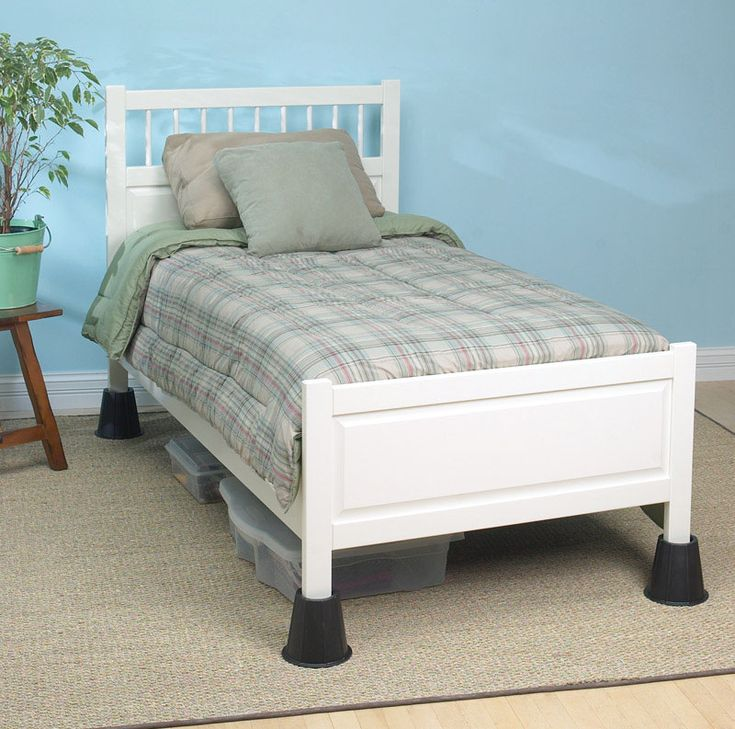
Raising the height of a bed is one of the simplest ways to unlock hidden storage opportunities in a small room. Bed risers, especially those that elevate the frame by several inches, make it possible to slide bins, baskets, drawers, or even shallow trunks underneath.
This under-bed area can accommodate bulky off-season clothing, luggage, extra bedding, or boxes of keepsakes, freeing up closet and dresser space. Some risers come with built-in electrical outlets and USB ports, offering additional functionality for charging devices or powering small lamps.
Plastic and wooden risers are readily available in various heights and weight capacities, allowing you to select the best fit for your bed type and storage needs. If aesthetics are a concern, consider pairing them with a tailored bed skirt or under-bed drawers on wheels to maintain a neat appearance.
Renters or students living in dorms particularly benefit from this storage solution, as it requires no permanent installation and can be implemented in minutes. By lifting the bed just a few inches, you can reclaim a significant amount of space without sacrificing comfort or mobility.
This method works exceptionally well in compact bedrooms where floor space is limited but storage demands remain high.
Corner Shelving Units
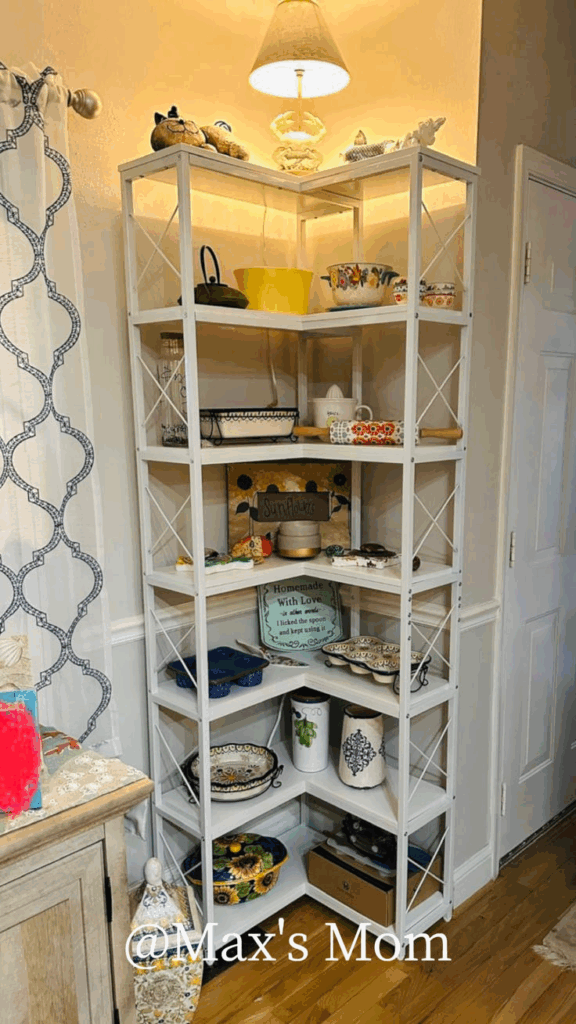
Empty corners are frequently wasted in small rooms, yet they hold immense storage potential. Corner shelving units utilize this underused area by providing vertical, triangular surfaces perfect for organizing and displaying everyday items without protruding into walkways.
Whether installed as floating corner shelves or freestanding towers, these units fit neatly into tight angles, offering a compact footprint and surprisingly generous capacity. They’re ideal for storing books, toiletries, décor, or kitchen items in apartments, bathrooms, bedrooms, or dorms.
Some units come with open sides for an airy look, while others feature enclosed cabinets or cubbies to conceal clutter. Adjustable shelves can accommodate items of varying heights, giving you the flexibility to adapt storage to your evolving needs.
Wood, metal, and acrylic options are widely available, ensuring compatibility with different interiors. Installation is typically straightforward, and wall-mounted options provide stability while keeping the floor area clear.
This space-smart strategy is particularly helpful in rooms where traditional furniture can’t fit. It allows you to make the most of architectural nooks that would otherwise be ignored. A well-chosen corner unit can provide functional storage without disrupting flow or taking up valuable real estate in already limited spaces.
Multi-Functional Furniture
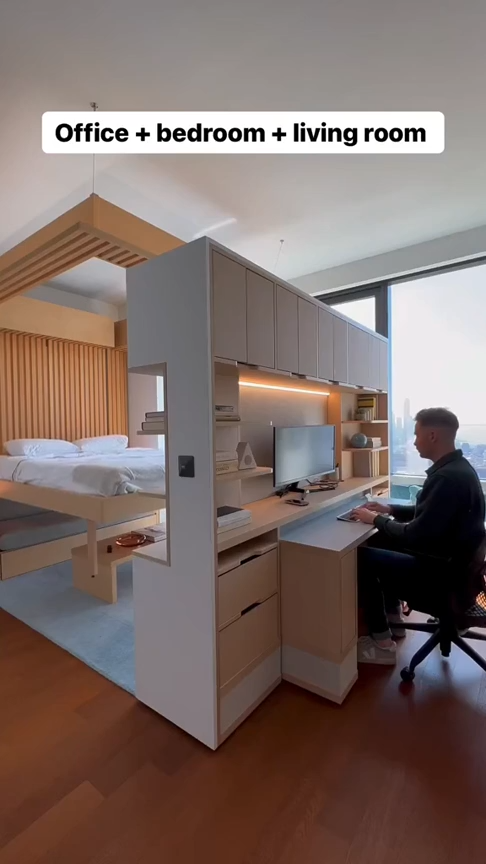
Designing for small spaces often means each piece must serve more than one purpose. Multi-functional furniture combines everyday use with hidden or dual-purpose storage, making it an ideal choice for tight quarters.
Ottomans with lift-up lids double as storage bins. Beds with built-in drawers or shelves replace the need for bulky dressers. Sofas that unfold into beds offer both seating and sleeping options. These dual-use designs help reduce clutter by eliminating the need for extra furnishings.
Look for items like console tables that expand into dining surfaces or benches that contain compartments for shoes and bags. Many modern pieces are crafted to be sleek and unobtrusive, so they blend well with small interiors without adding bulk.
Convertible desks with shelving and nesting tables also contribute to this strategy by adjusting to various tasks without occupying unnecessary floor area. Selecting pieces with high utility reduces visual clutter and improves traffic flow.
For anyone looking to streamline functionality while maintaining style, multi-functional furniture provides a practical, efficient solution. These thoughtfully designed items can significantly reduce the need for storage accessories and simplify how a small room is used on a daily basis.
Pegboard Wall Systems
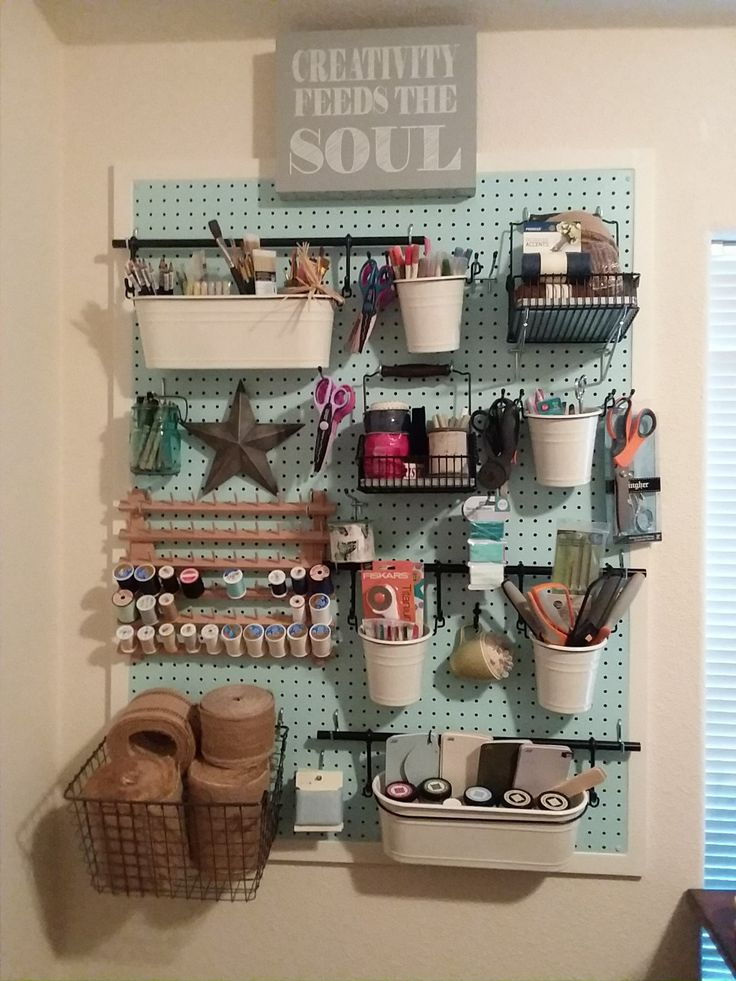
Flat walls offer more than just space for décor—they can serve as customizable storage hubs. Pegboard wall systems bring versatility and organization to any small room, whether it’s a kitchen, workshop, home office, or entryway.
With evenly spaced holes that accept hooks, baskets, and small shelves, pegboards allow users to tailor their storage to specific needs. This modular approach means you can adjust the layout as your items change over time. Tools, utensils, craft supplies, and even accessories like scarves or hats can be easily organized and accessed.
Pegboards can be mounted directly to drywall or attached to a wood frame for a more finished appearance. Some come pre-painted, while others can be customized to match the room’s color palette. Metal, MDF, and plastic options are widely available depending on your weight requirements and design preference.
Unlike fixed shelves, pegboards maintain an open visual field, preventing the wall from feeling crowded. They are particularly helpful in narrow or awkward wall spaces that cannot accommodate traditional furniture.
With a balance of practicality and minimal footprint, this storage method transforms empty walls into useful, ever-adaptable zones—ideal for anyone trying to optimize storage without compromising on accessibility or aesthetics.
Rolling Storage Carts
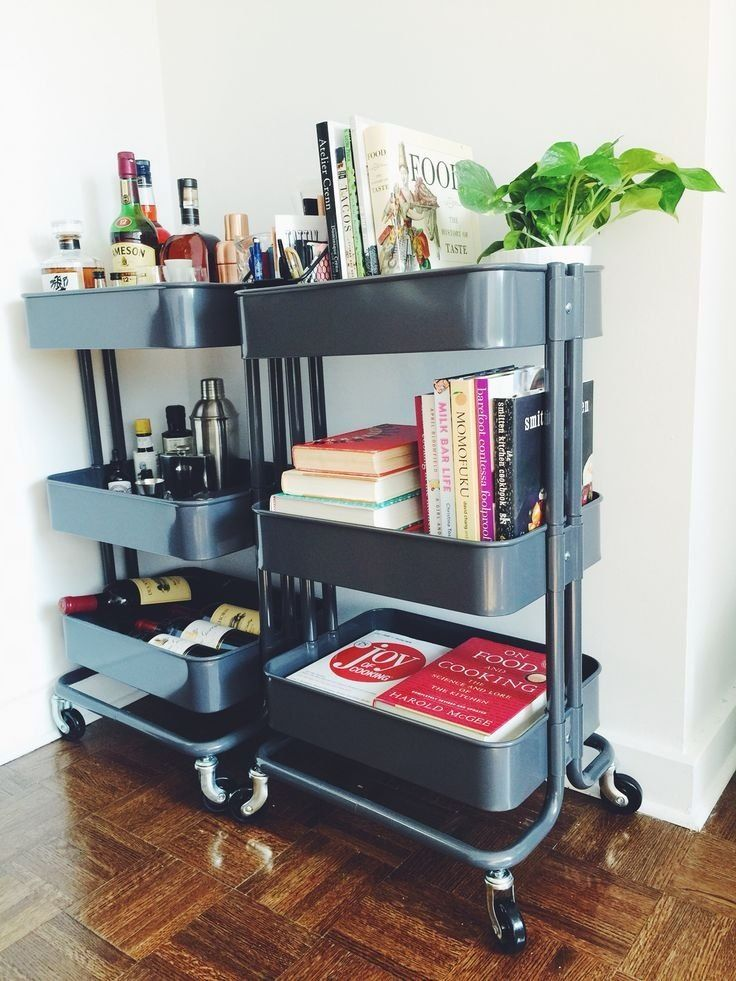
Mobility is a major asset in compact rooms. Rolling storage carts provide a flexible way to organize belongings and shift them as needed throughout the day. These carts are available in narrow profiles that easily fit beside desks, beds, or kitchen counters, making them perfect for tight spaces.
Equipped with multiple tiers, they allow vertical organization of supplies, tools, toiletries, or pantry goods. Their portability means they can be tucked away when not in use or moved from one room to another, serving multiple functions depending on the time of day.
Metal mesh carts are especially popular for their durability and breathability, while wood and plastic variants offer stylistic options to match various interiors. Locking wheels ensure stability when the cart is in place, preventing accidental movement on smooth flooring.
In home offices, these carts can hold stationery and tech accessories. In bathrooms, they’re excellent for storing towels and daily toiletries. Even in kids’ rooms, they offer a tidy solution for toys and art supplies.
Their compact structure and lightweight build make them an affordable and practical solution for those needing dynamic storage. By merging convenience and utility, rolling carts adapt quickly to changing storage needs without cluttering the room.
Overhead Loft Beds
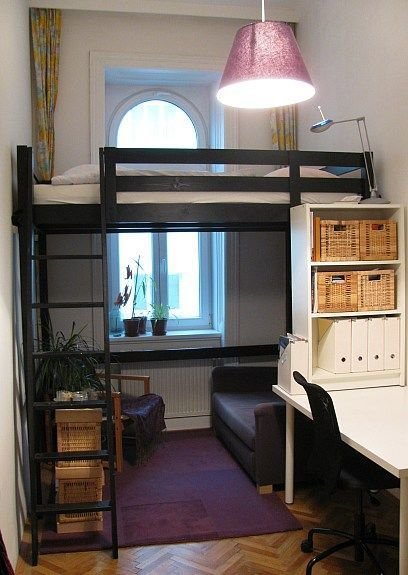
Raising the bed above ground level is an efficient way to reclaim valuable square footage in compact rooms. Overhead loft beds clear floor space beneath the mattress, making room for desks, seating areas, or additional storage. This configuration is especially useful in studio apartments, shared bedrooms, or teen rooms where every inch matters.
Most loft beds are designed with sturdy metal or wood frames and can include built-in ladders, safety railings, and under-bed platforms. The area below can be customized with bookshelves, drawers, or even a compact workstation, depending on individual needs. Some models also come with integrated features like wardrobes or pull-out futons to further enhance usability.
Ceiling height is a key consideration before installation. Ensure enough clearance for sitting upright in bed while maintaining a functional height underneath. Proper anchoring and weight distribution are essential for safety and long-term use.
For those working with limited floor plans, this elevated sleep setup introduces a second layer of livable space without expanding the room’s footprint. It’s an ideal way to consolidate sleeping and functional zones while maintaining clear walkways. When designed thoughtfully, an overhead loft bed becomes a smart architectural solution for efficient small room living.
Window Seat Storage
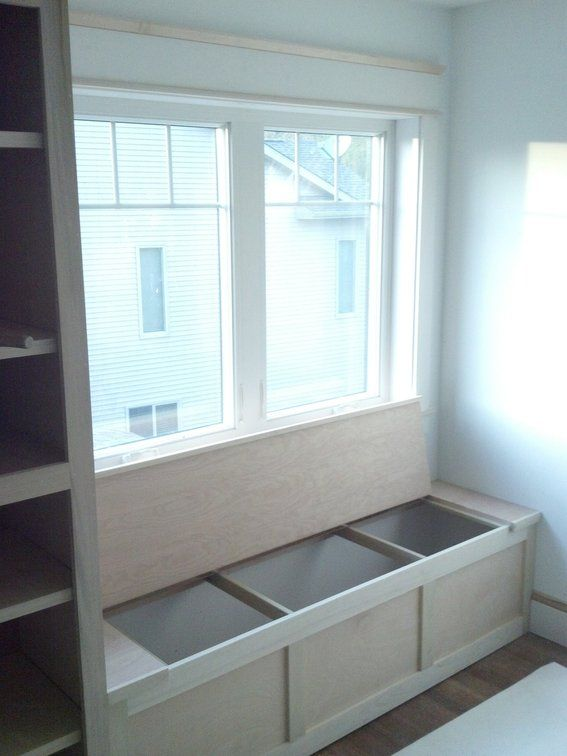
Unused space beneath windows often presents a missed opportunity in small rooms. A built-in or freestanding window seat with hidden storage offers both form and function—serving as a seating area while concealing clutter.
Storage benches under windows typically feature lift-up lids or front-facing drawers, making them excellent for stowing away blankets, books, shoes, or off-season accessories. The added benefit of natural light makes this space ideal for reading nooks or casual lounging without sacrificing floor area.
When constructed with integrated cabinetry or cubbies, window seats can offer a tailored look that complements the surrounding room décor. Cushioned tops add comfort and can be customized with washable covers for practicality. For those preferring a quicker solution, ready-made benches with under-seat compartments are widely available and require minimal setup.
This setup is particularly valuable in bedrooms, living rooms, and entryways where seating and storage are both needed but floor space is tight. Proper measurements and cushion thickness ensure the seat remains comfortable without interfering with window openings or blinds.
By utilizing the lower window area effectively, homeowners can create a stylish and practical feature that enhances comfort while discreetly managing clutter in small or multi-use spaces.
Under-Cabinet Lighting with Hooks
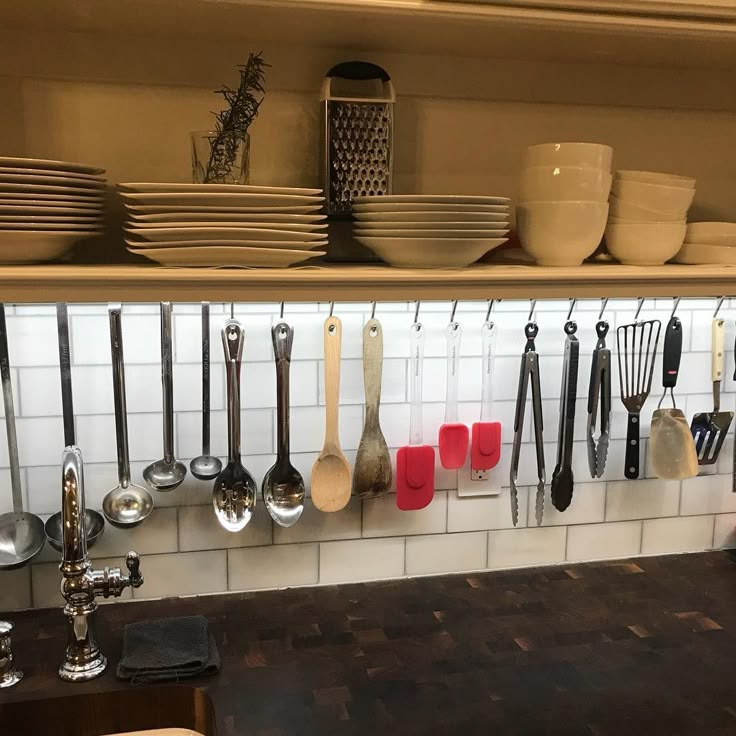
Functional lighting paired with discreet storage can dramatically improve small-room efficiency. Installing under-cabinet lighting combined with mounted hooks creates a dual-purpose setup ideal for kitchens, bathrooms, or workspaces.
This solution illuminates countertops or work surfaces while offering a convenient place to hang mugs, utensils, keys, or grooming tools. LED strip lights or puck lights provide ample brightness without taking up space, while adhesive or screw-in hooks deliver sturdy storage without needing bulky shelves.
In kitchens, this combination keeps essentials within reach and frees up drawers. In bathrooms, it’s perfect for razors, hairdryers, or hand towels. Even in home offices, it can support headphones or office supplies. Most modern LED systems are energy-efficient and can be motion-activated or dimmable, adding both practicality and ambiance.
Installation is straightforward and often renter-friendly, with adhesive strips or magnetic fixtures avoiding the need for drilling. Lightweight hooks maintain wall integrity and are easy to reposition.
Pairing task lighting with accessible hanging storage optimizes small areas by improving both usability and visual clarity. This approach allows residents to work more efficiently in confined environments while reducing clutter from horizontal surfaces like counters or desks.
Expandable Dining Tables
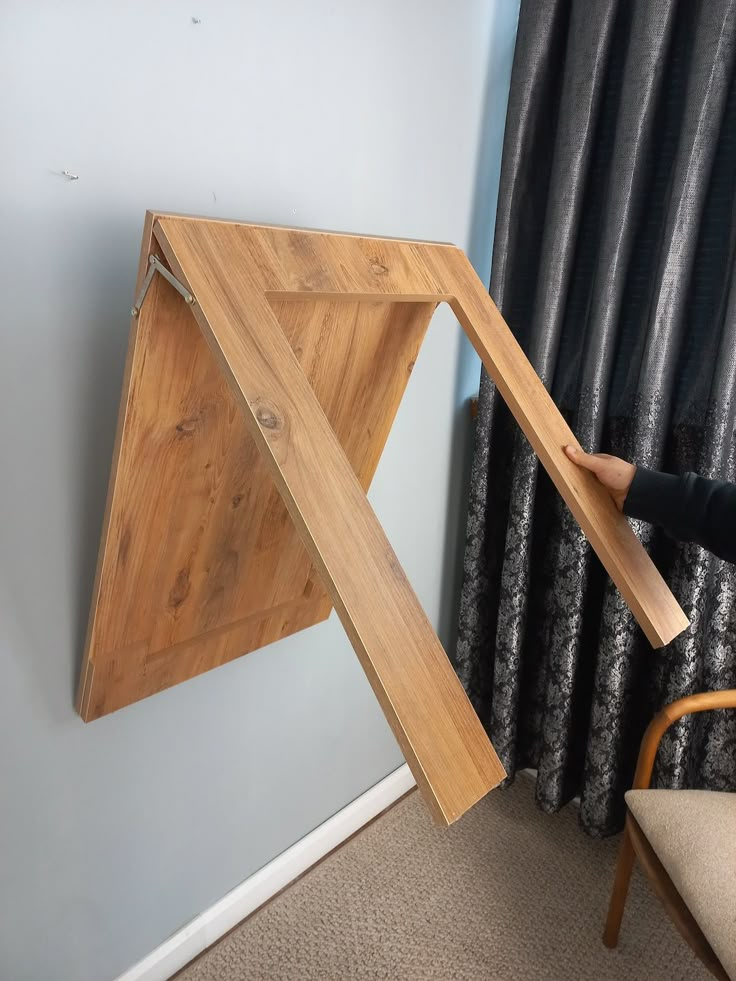
Limited dining space doesn’t have to mean sacrificing functionality. Expandable dining tables offer a flexible solution by adjusting to fit both everyday needs and larger gatherings. These tables typically feature drop leaves, butterfly extensions, or slide-out panels that can be extended or collapsed as needed.
In smaller homes or apartments, they function perfectly in their compact form for day-to-day meals or use as a desk. When guests arrive or more surface area is required, the table expands to accommodate additional seating. This eliminates the need for a second table and keeps the dining area clear when not in use.
Materials range from solid wood to metal or engineered surfaces, catering to both traditional and contemporary design preferences. Many styles come with built-in storage beneath the tabletop for cutlery, napkins, or placemats, further enhancing space efficiency.
Placement near a wall or in a corner allows it to double as a console table when collapsed. Paired with stackable or foldable chairs, it becomes a smart solution for dynamic living areas.
Expandable tables address the challenge of fluctuating space requirements in small rooms by offering adjustability without permanent commitment. This type of furniture balances form and practicality in tight living quarters.
Wall-Mounted Foldable Chairs
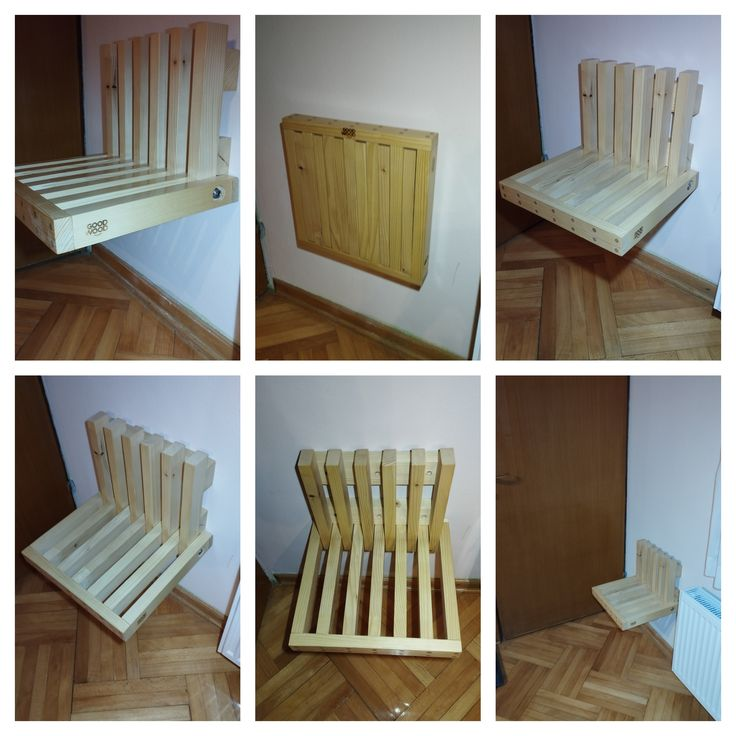
Floor space is at a premium in small rooms, and traditional seating often feels bulky or unnecessary until needed. Wall-mounted foldable chairs provide a space-saving solution that’s both functional and discreet. When not in use, these chairs lie flat against the wall, occupying minimal space and keeping walkways open.
Typically constructed from metal, wood, or high-strength plastic, these chairs feature hinges and locking mechanisms for secure deployment. Installation requires anchoring into wall studs to support weight safely, especially if used regularly. They are ideal for multi-use areas such as guest rooms, small kitchens, or home offices where seating is occasionally necessary but not needed all the time.
Some designs include a wall panel that conceals the folded chair, creating a streamlined look. Others blend into the wall with a slim profile and neutral finishes. When extended, they offer sturdy, practical seating that can be paired with fold-out tables or used independently.
By eliminating the need for freestanding chairs that occupy space, this approach maintains a clean, open floor plan. It’s a smart alternative for anyone prioritizing movement and functionality in a limited area, ensuring that seating is always available without contributing to visual or physical clutter.