
Limited counter space and overflowing drawers often signal one thing—untapped wall potential. Kitchen walls aren’t just for decor; they offer valuable real estate for storage that’s both functional and stylish.
From hanging pots and utensils to installing clever racks and shelves, the right wall storage ideas can completely streamline your space without sacrificing design.
Whether you’re working with a tiny apartment kitchen or simply want to optimize an underused corner, these practical tips deliver quick, efficient solutions.
Read on to uncover the best kitchen wall storage ideas that help reduce clutter, free up surfaces, and make daily cooking easier.
Magnetic Knife Strips Inside Cabinets
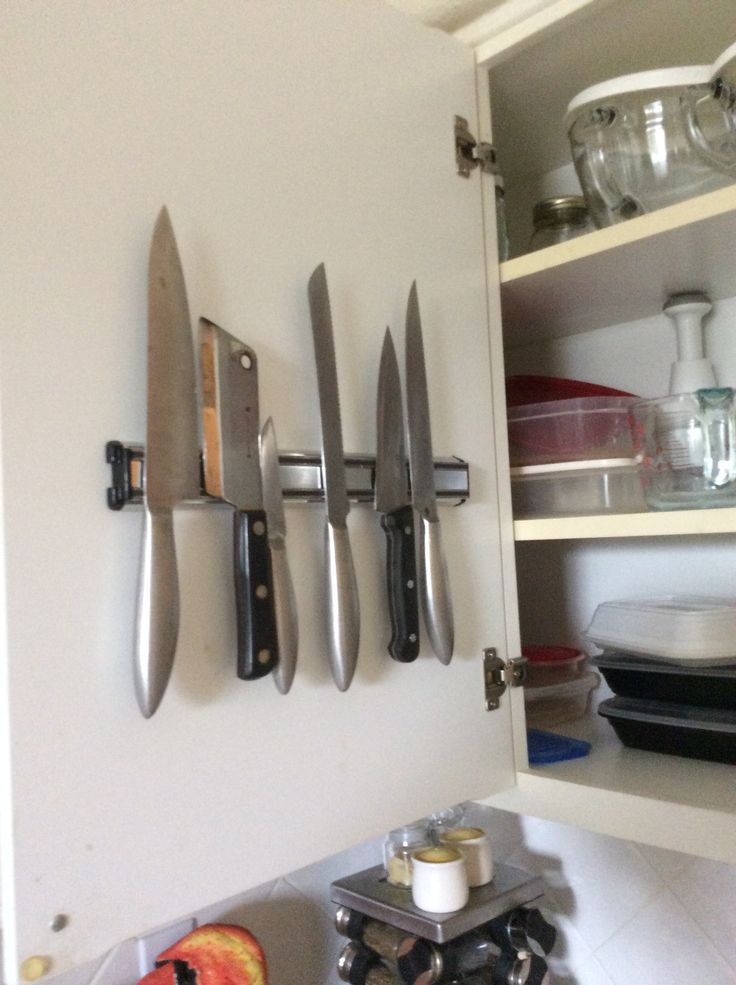
Traditional knife blocks can clutter limited countertop space and harbor bacteria in hard-to-clean slots. A more hygienic and space-conscious solution lies in installing magnetic knife strips inside cabinet doors.
This hidden storage method keeps sharp blades organized, easily accessible, and out of sight—ideal for households with children or those aiming for a cleaner aesthetic. When mounted inside a cabinet door or on the interior wall, these strips ensure that knives stay in place without slipping or jostling during frequent door use.
Stainless steel strips are preferred due to their strength and resistance to corrosion, making them compatible with most knife types. Placement should allow for easy reach without interfering with shelves or contents stored within.
It’s important to ensure a secure mount using screws rather than adhesives for long-term reliability. This method also allows homeowners to store knives flat, preserving blade edges and avoiding dulling that often results from drawer storage.
Beyond knives, these magnetic strips can hold metal kitchen shears, small peelers, or bottle openers, streamlining daily prep routines. Whether installed vertically or horizontally, this setup transforms underused cabinet space into an efficient, sanitary, and safe knife organization system that enhances overall kitchen functionality without compromising design flow.
Floating Shelves Above the Sink
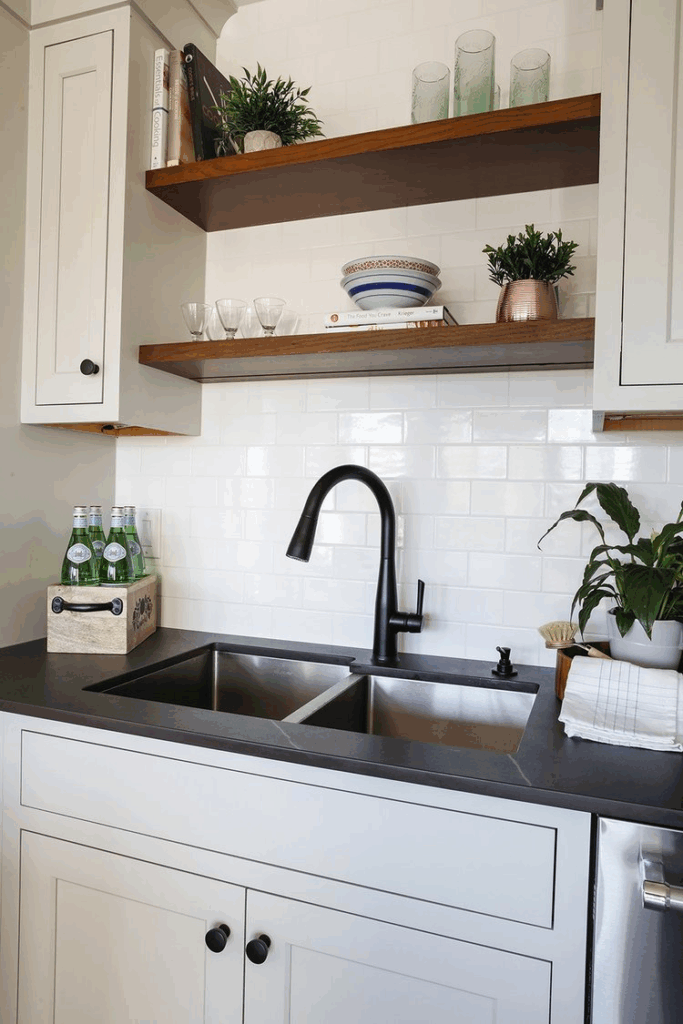
Many kitchen designs leave the space above the sink bare, missing an opportunity to introduce both utility and charm. Floating shelves in this area offer a practical storage solution for lightweight, frequently used items like dish soap, hand towels, small plants, or glassware.
Unlike bulky cabinets, open shelves visually lighten the space and allow for quick grab-and-go functionality—perfect for busy kitchens where every second counts.
Proper installation involves anchoring into wall studs or using heavy-duty drywall anchors to ensure the shelves support consistent use.
Materials like solid wood or powder-coated metal pair well with a variety of kitchen aesthetics, from farmhouse to industrial. For areas prone to moisture or splashing, opt for sealed surfaces or water-resistant finishes to maintain longevity and prevent warping or staining.
Spacing is key: shelves placed too close to the sink can interfere with faucet clearance or make daily tasks feel cramped. A minimum gap of 12–15 inches from the counter offers breathing room while maintaining accessibility.
To avoid clutter, limit shelf contents to everyday essentials or decorative accents. Floating shelves provide a balance of utility and aesthetics, converting overlooked wall space into purposeful storage that complements the natural rhythm of the kitchen workflow.
Wall-Mounted Pot Racks
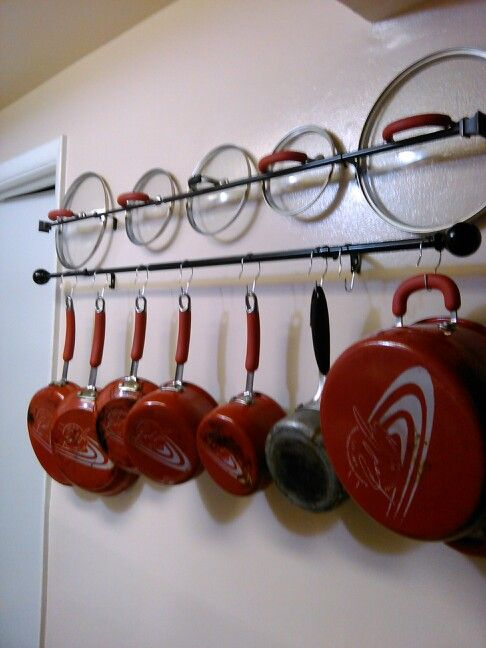
Overhead cabinets often fall short when it comes to storing bulky cookware like saucepans, skillets, and woks. Wall-mounted pot racks offer a smart alternative, turning vertical wall space into a functional zone for heavy-duty kitchen tools. Mounted securely into studs or masonry, these racks can support the weight of multiple pots and pans while keeping them within arm’s reach of the cooking zone.
Ideal locations include areas near the stove or prep counter, ensuring ergonomic convenience and reduced back-and-forth during busy cooking sessions. Most racks come with adjustable hooks, allowing users to customize the setup to suit their cookware collection.
Some designs include a shelf above the hooks, providing bonus space for lids or seldom-used items like roasting pans.
Forged iron and stainless steel are popular materials for their durability and timeless appearance. To reduce clanging noises and scratches, consider using rubber-coated hooks or placing a soft mat along the rack’s base.
Wall-mounted racks also make inventory easy—you can see what’s clean, what’s in use, and what might be missing in a glance. By transitioning pots from stuffed cabinets to vertical walls, users free up cabinet space while enhancing workflow and visual accessibility in the kitchen.
Pegboard Wall Organizers
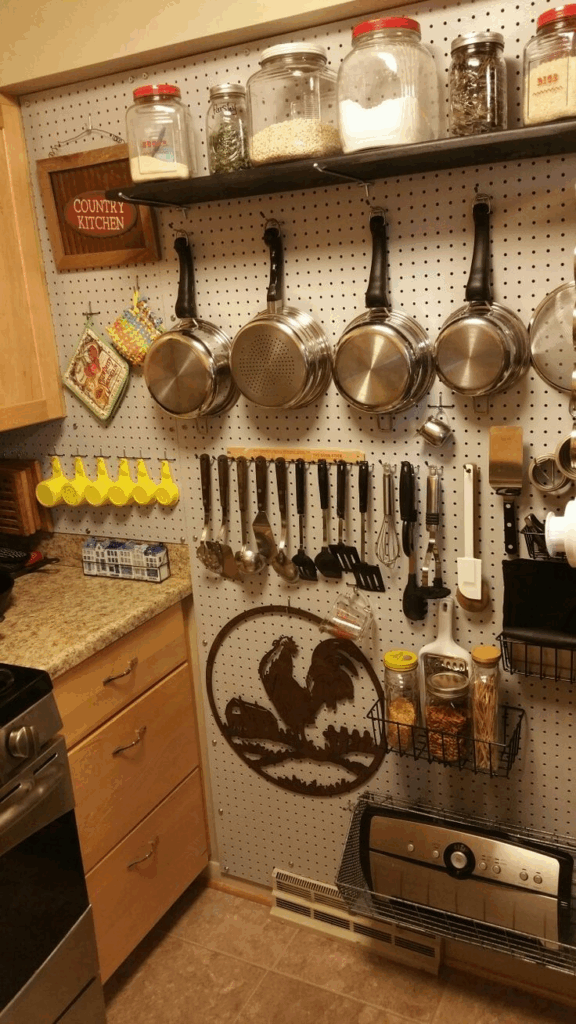
Kitchen walls often offer unused real estate that can be transformed into flexible storage systems with pegboards. These adaptable panels can be cut to size and mounted on any empty wall to house everything from measuring cups and ladles to baking tools and oven mitts.
Unlike fixed shelves or racks, pegboards allow endless customization through moveable hooks, baskets, and shelves, making them a top choice for evolving kitchen needs.
For best results, choose a metal pegboard or heavy-duty hardboard to support kitchen tools without warping. Secure the board using wall anchors or mount it to a backing frame that lifts it slightly from the wall, allowing hooks to slide in and out with ease. Hooks should be appropriately sized and locked into place to prevent shifting during use.
Placement near the prep zone or baking area maximizes efficiency. Color-coded or labeled zones can also help organize tools by task, reducing confusion during busy meal prep. Beyond function, pegboards offer visual appeal when styled neatly, especially in open-concept kitchens.
They serve both seasoned cooks and casual users by providing a one-glance view of essentials. This solution blends utility with adaptability, helping users stay organized while making full use of their kitchen wall space.
Over-the-Door Spice Racks
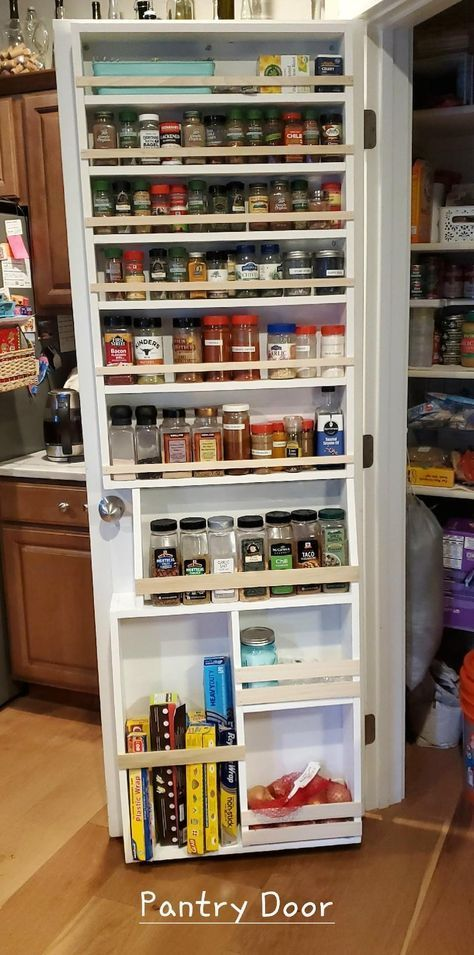
Limited drawer and cabinet space can make spice storage a frustrating challenge, especially for avid home cooks with extensive collections. Over-the-door spice racks solve this dilemma by utilizing the back of cabinet or pantry doors to neatly store small jars, bottles, or seasoning packets.
Designed for easy installation without tools, these racks hang over standard doors and stay in place using padded brackets to prevent damage.
Wire or tiered acrylic versions offer visibility of every label, reducing time spent hunting for the right spice mid-recipe. For deeper cabinet doors, adjustable or expandable options provide a snug fit and increased capacity. When selecting a rack, ensure the combined thickness of the door and rack allows the door to close smoothly without interference.
Organizing spices alphabetically or by cuisine type enhances usability, while adding small labels to jar tops simplifies quick identification. Since spices benefit from cool, dark environments, mounting the rack inside a pantry or lower cabinet door helps preserve freshness and flavor.
Over-the-door solutions are especially valuable in small kitchens, apartment setups, or rentals where permanent fixtures aren’t feasible. This approach reclaims wasted space efficiently, offering an accessible, clutter-free method to manage a frequently used—and often chaotic—kitchen category.
Under-Cabinet Hanging Baskets
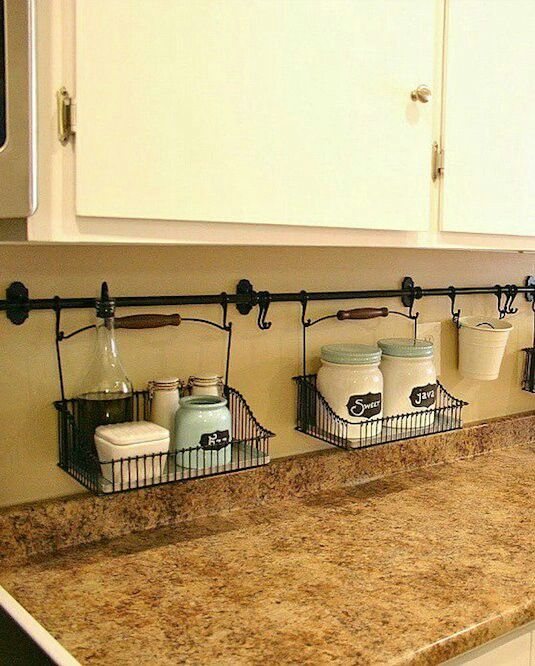
Kitchens with limited counter space often struggle to accommodate fresh produce, foil rolls, or small kitchen tools without clutter. One efficient solution involves installing hanging baskets directly beneath upper cabinets.
These wire-frame or mesh baskets suspend from the underside of cabinetry, creating a discreet yet functional storage zone for lightweight items. They’re particularly useful above prep areas, coffee stations, or near the stove for easy ingredient access.
Mounting brackets typically require just a few screws and minimal effort, making the installation process straightforward for most homeowners. Some designs even slide on without hardware, resting securely due to tension.
Choose baskets with an open mesh or slotted design to prevent dust buildup and allow airflow—ideal for storing onions, garlic, or bagged snacks.
It’s important to ensure clearance between the basket and countertop, especially in work zones. A spacing of 8–10 inches works well for most uses without obstructing daily tasks. Baskets can also serve as dedicated drop zones for incoming mail or charging cables when placed near entryways.
This solution transforms a frequently overlooked surface into a highly practical area. For households focused on efficiency and cleanliness, under-cabinet hanging baskets deliver reliable storage without encroaching on valuable kitchen real estate.
Magnetic Wall Organizers for Utensils
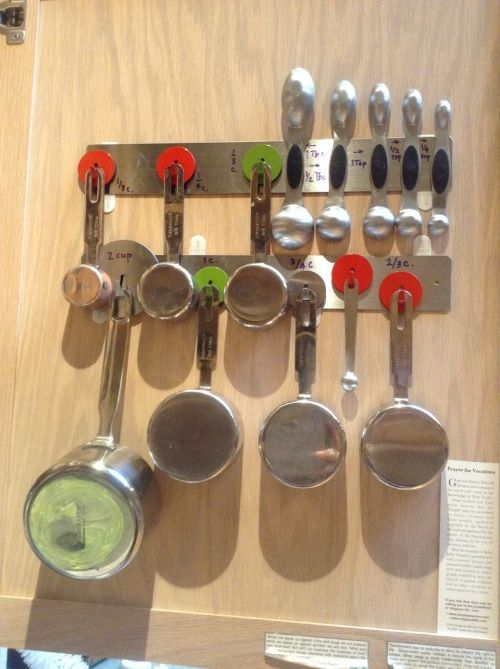
Drawers packed with spatulas, ladles, and tongs can become chaotic quickly, slowing down meal prep and cleanup. Magnetic wall organizers offer a cleaner, more efficient way to store metal utensils by keeping them suspended and visible on vertical surfaces. These organizers consist of magnetic panels, rails, or bars that securely hold ferrous tools without damaging finishes or slipping under weight.
Installation is typically tool-free for adhesive-backed versions, while screw-mounted options provide stronger, long-term support—ideal for heavier utensils. The best placement is near the stove or prep counter, allowing cooks to grab what they need mid-recipe without digging through drawers.
Stainless steel and matte black finishes blend well with most decor while remaining easy to clean.
To prevent overcrowding, arrange utensils by size or function, leaving space between items for easy removal.
This setup also promotes better hygiene, as air circulation prevents moisture buildup common in drawers. For kitchens with limited drawer space or those looking to streamline daily cooking routines, this system offers immediate access and visual organization.
Magnetic wall organizers go beyond function—they contribute to a more purposeful layout by reclaiming unused wall space and turning it into a storage solution that supports both aesthetics and utility.
Fold-Down Wall Desks for Meal Planning
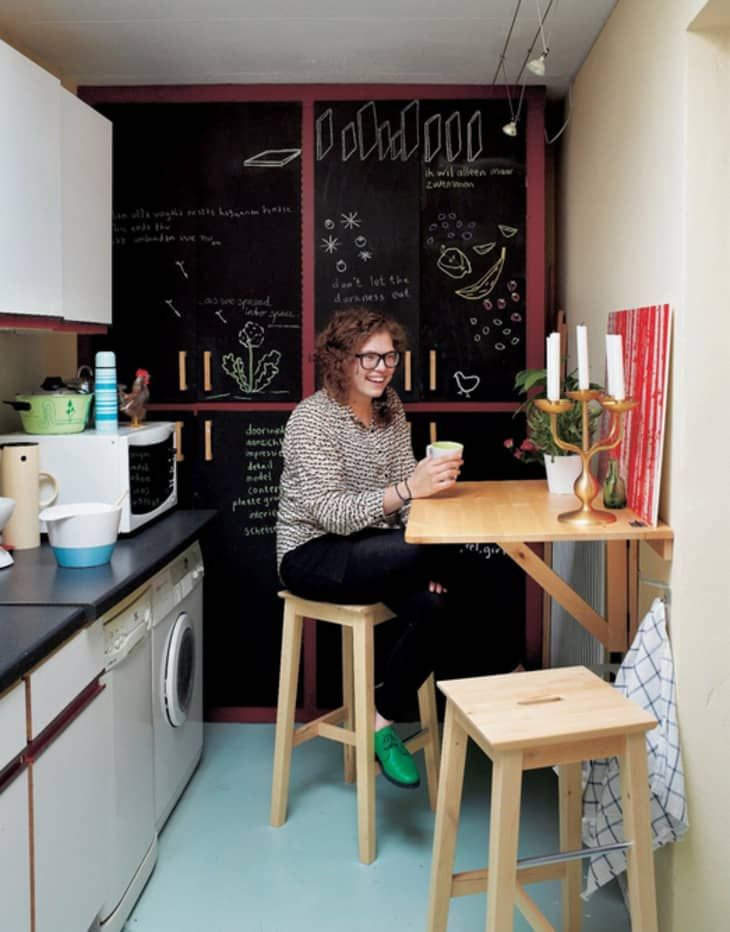
Maintaining a command center in the kitchen helps streamline grocery lists, recipe management, and weekly meal schedules. Fold-down wall desks fulfill this need by providing a compact work surface that tucks away when not in use. Installed against an open kitchen wall or near the pantry, these desks serve as efficient hubs for digital tablets, notebooks, or cookbooks without taking up floor space.
Look for models with built-in compartments, chalkboards, or whiteboards for added functionality. Sturdy hinges and wall anchors are crucial to ensure safety and stability during use. When folded down, the desk should offer ample space for a laptop or notepad—ideal for coordinating family meals or online grocery orders.
Mounting height should match a standard desk level (about 29 to 30 inches from the floor) for comfortable use with a stool or foldable chair. Desks made from sealed wood or laminated surfaces are best for resisting kitchen humidity and accidental spills.
This smart solution supports productivity within a high-traffic area while keeping clutter contained. By folding neatly out of the way, the desk allows the kitchen to remain visually open and organized. For multitasking households, a fold-down wall desk enhances planning efficiency without compromising style or space.
Overhead Hanging Baskets for Produce
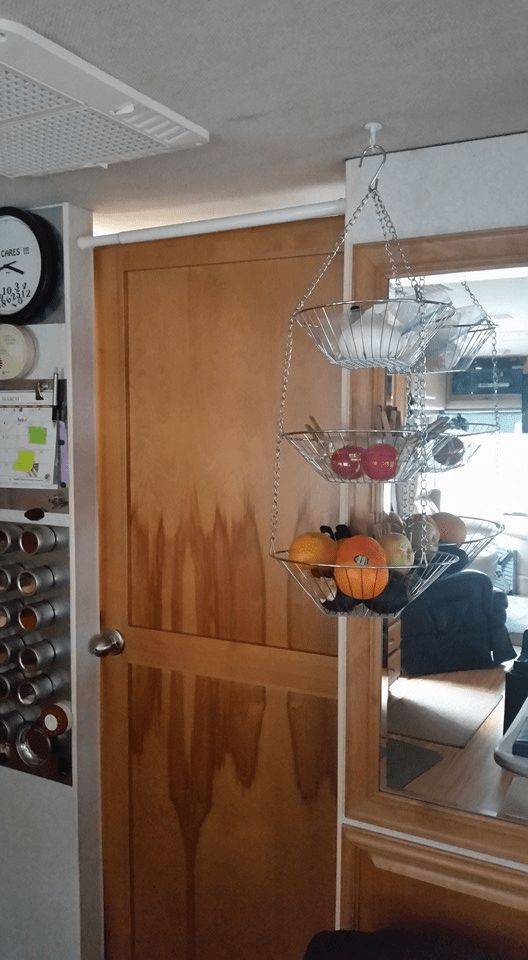
Countertops can quickly become crowded with fruit bowls and vegetable bins, leaving limited space for meal prep. Overhead hanging baskets provide a practical alternative by suspending produce storage from ceiling hooks or wall-mounted brackets. Typically constructed from metal or wire mesh, these multi-tiered baskets are ideal for storing bananas, apples, onions, and other kitchen staples that don’t require refrigeration.
Installation involves securing a ceiling hook into a joist or using heavy-duty anchors for wall brackets. A height of 4 to 6 feet from the floor is generally suitable for easy reach without disrupting workflow. Opt for tiered baskets with varying depths—larger ones at the bottom for bulkier produce and smaller ones at the top for lighter items.
Proper air circulation in the basket design helps maintain freshness, and placing ethylene-sensitive items (like potatoes and onions) in separate tiers prevents spoilage. These hanging systems also double as decorative elements when paired with woven or colored metal designs that match kitchen hardware.
Ideal for farmhouse, rustic, or eclectic kitchens, this solution offers both function and charm. By moving produce off counters and into vertical space, overhead hanging baskets improve kitchen flow while preserving essential ingredients within easy reach.
Wall-Mounted Foldable Chairs
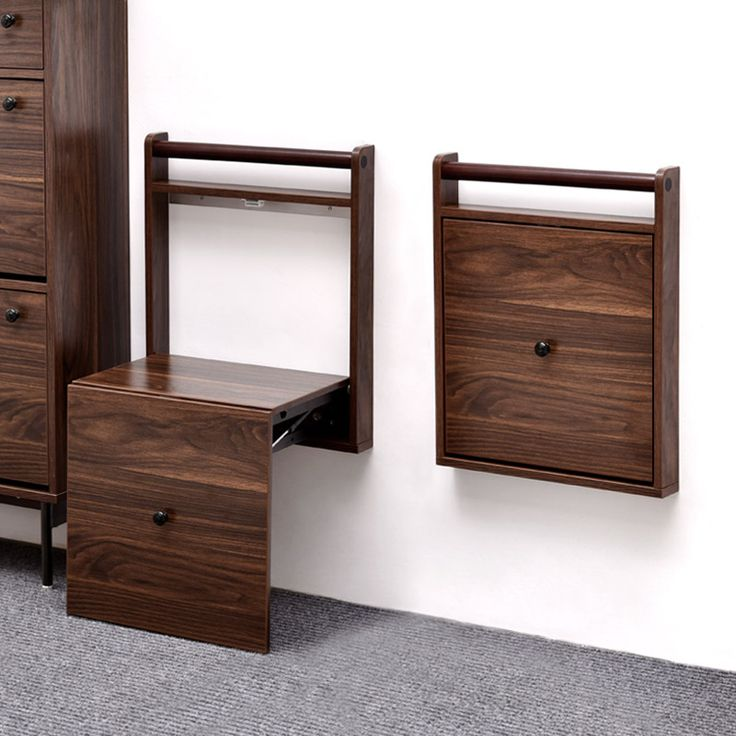
Temporary seating is often needed during quick meals, prep breaks, or informal chats in the kitchen. Wall-mounted foldable chairs provide an efficient answer by offering seating that tucks flat against the wall when not in use. These space-saving designs are especially useful in small kitchens or apartment setups where floor space is at a premium.
Sturdy metal frames or wood-based models are secured directly into wall studs to support adult weight safely. Folded down, the chair should rest about 18 inches off the floor, matching the standard dining seat height. A secure locking mechanism ensures stability during use and smooth retraction afterward.
For comfort, some versions include cushioned backs or contoured seats. When not in use, the chair collapses flush, keeping walkways open and minimizing visual clutter. Placement near a breakfast nook, fold-down desk, or entry area maximizes versatility without requiring a permanent footprint.
Beyond practicality, these chairs can contribute to the overall design with finishes that match kitchen cabinets or wall colors. They also pair well with fold-down tables for impromptu dining setups. Whether used occasionally or daily, wall-mounted foldable chairs deliver seating flexibility without sacrificing space, offering a streamlined way to maintain functionality in a compact kitchen layout.
Vertical Tray and Baking Sheet Dividers
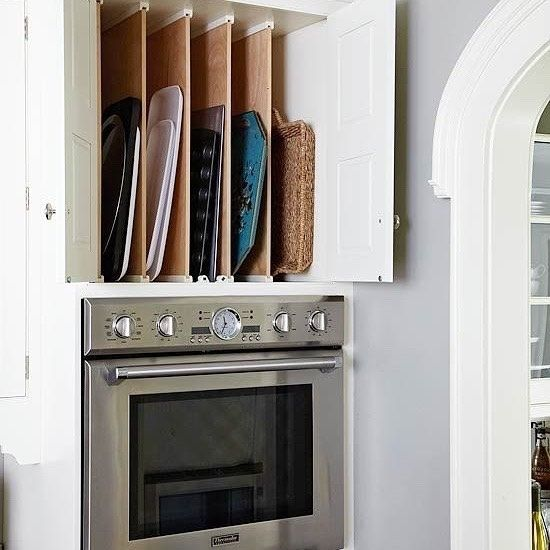
Flat kitchen items like baking sheets, cutting boards, and muffin tins often get stacked haphazardly in deep cabinets, making access difficult and causing unnecessary noise and clutter. Vertical dividers provide a clear and efficient solution by organizing these pieces upright, similar to file folders. Installed within lower cabinets or tall pantry sections, these dividers ensure that each item has its own slot, eliminating the need to lift multiple trays to reach the one needed.
Sturdy materials like coated wire, metal, or acrylic are recommended for durability and ease of cleaning. Many designs offer adjustable widths, allowing users to tailor compartments to accommodate different sizes. It’s essential to anchor the dividers firmly or choose tension-based versions that stay put under daily use.
Positioning them near the oven or prep station ensures convenience during busy baking sessions. This method improves kitchen workflow, reduces scratches from stacking, and extends the lifespan of nonstick surfaces. Homeowners benefit from immediate visual access to each item, saving time and reducing frustration during food prep.
For those managing a growing collection of cookware or frequently used trays, vertical dividers transform an often-overlooked storage zone into a streamlined, functional system tailored to high-efficiency kitchen habits.
Under-Sink Sliding Shelves
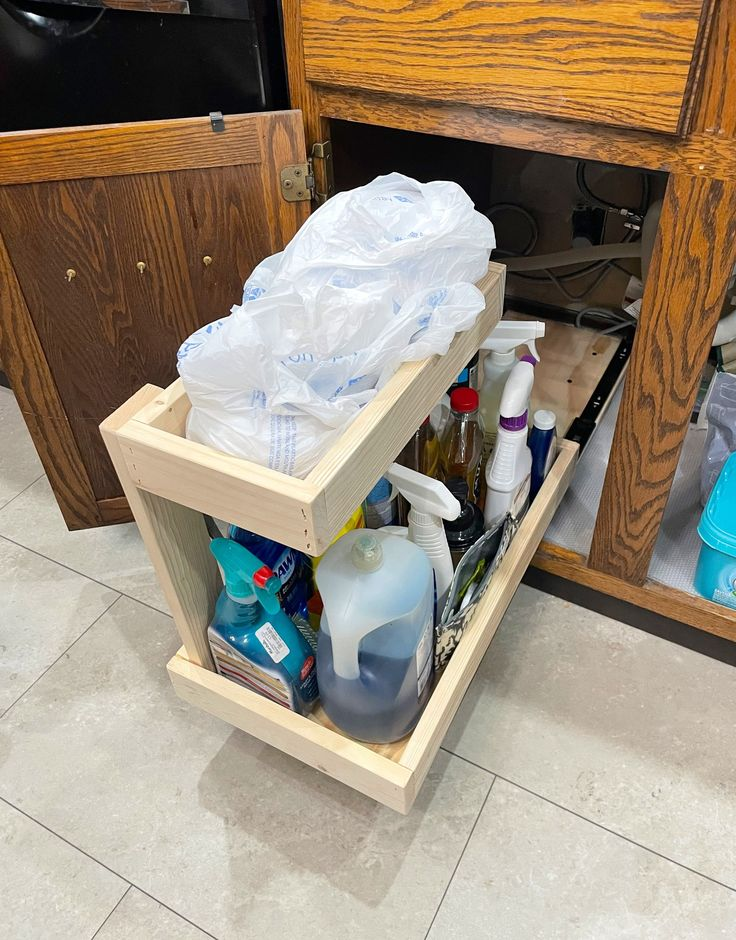
The area beneath the kitchen sink often becomes a cluttered mess of cleaners, sponges, and bags, largely due to awkward pipe placement and limited visibility. Sliding shelves help reclaim this tricky space by offering tiered storage that glides out for easy access. These pull-out systems can be installed on either side of the plumbing to optimize remaining space, turning an underutilized cabinet into a neatly organized compartment.
Steel or heavy-duty plastic options with ball-bearing slides are best for long-term durability, especially in damp environments. Units come in single- or multi-tiered styles, and many are adjustable to accommodate taller bottles or irregular items. Installation requires only a screwdriver and a level surface inside the cabinet.
These shelves are especially useful for storing dish soap, trash bags, and scrubbing tools in a way that keeps everything visible and prevents items from tipping or getting lost in the back. The sliding mechanism reduces strain on the back and knees, making it easy to grab what you need without bending or reaching.
For households focused on efficient kitchen maintenance, under-sink sliding shelves provide a logical, ergonomic upgrade to a space that’s too often ignored, delivering both organization and ease of use in a high-traffic area.
Adjustable Shelf Risers
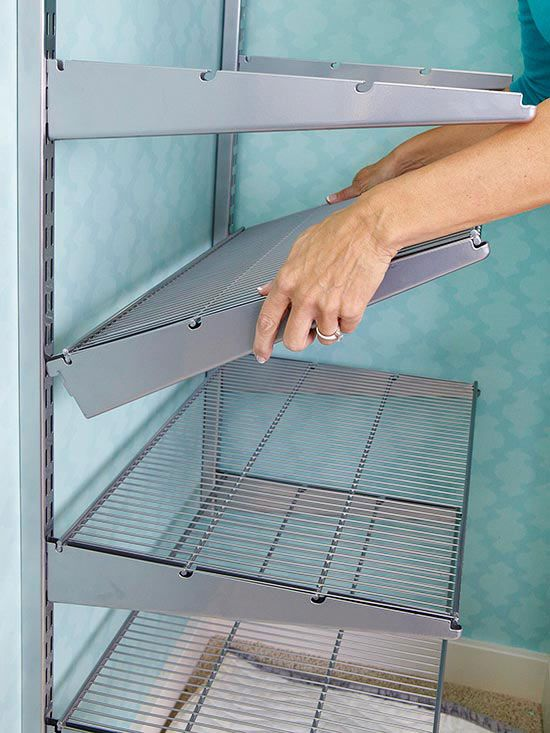
Standard kitchen cabinets often waste vertical space, especially when tall shelves contain only short jars or stacked dishes. Shelf risers resolve this inefficiency by introducing a secondary level, instantly doubling usable surface area within the same footprint. These risers rest on existing shelves, allowing you to organize mugs, plates, spices, or canned goods in a tidy, accessible layout.
Metal or heavy-duty plastic risers are preferred for stability and long-term use. Many models feature expandable widths or stackable frames, providing flexibility for various cabinet depths and heights. Clear acrylic versions are available for those who prefer unobtrusive visibility, while wooden risers can complement rustic or classic kitchen styles.
It’s crucial to match the riser’s height to the items stored below to ensure functionality. For instance, using lower risers for canned goods and taller ones for mixing bowls or cereal containers can significantly improve cabinet logic. Non-slip feet or rubber grips help keep them stable during daily use.
By improving vertical access and avoiding unnecessary stacking, shelf risers reduce breakage risk and make stored items easier to grab. For anyone frustrated by messy cabinet interiors, this affordable tool instantly boosts efficiency and structure without requiring permanent modifications to the cabinetry.
Pull-Out Trash and Recycling Bins
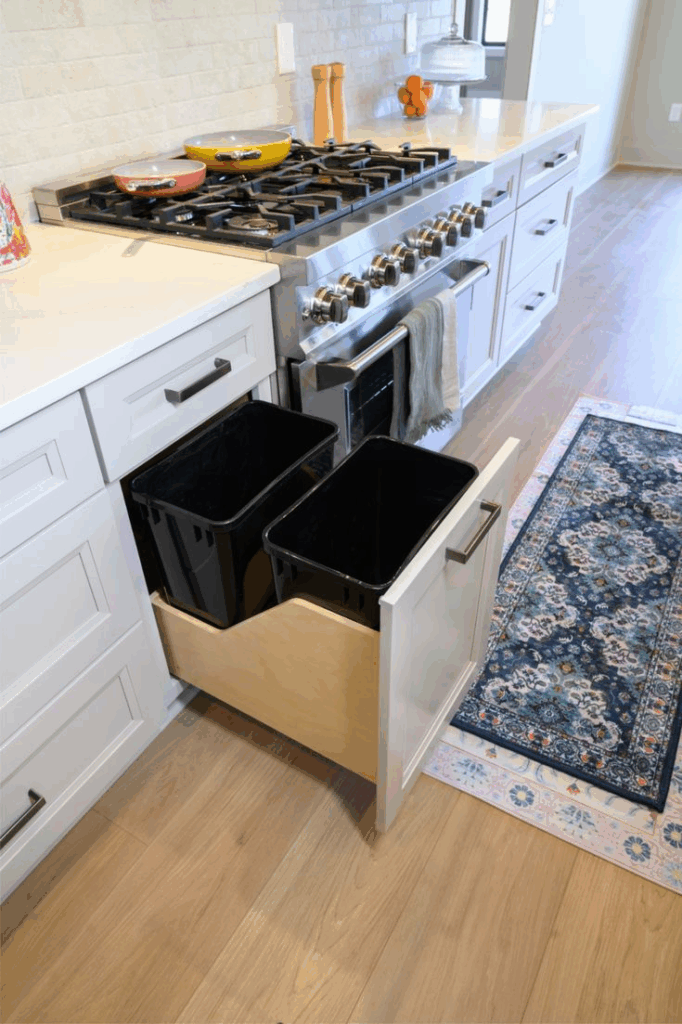
Exposed trash bins can disrupt a kitchen’s visual flow and attract unwanted odors or pests. Pull-out systems offer a cleaner, more contained solution by tucking garbage and recycling into a lower cabinet with a sliding track mechanism. These systems typically install under the sink or in a dedicated base cabinet, providing dual-bin functionality that keeps waste sorted and hidden from view.
Choose frames with full-extension ball-bearing glides for smooth, stable movement even under full loads. Heavy-duty plastic bins should be easy to lift out for cleaning and bag replacement. Some models also come with built-in lids or odor-sealing compartments for added hygiene. Installation usually involves mounting a track to the cabinet base using a few screws and aligning the bin frame accordingly.
Placement near the prep or cleanup zone allows for efficient use during food prep and dishwashing. For families separating recyclables, a two-bin configuration streamlines waste management and reduces the chance of cross-contamination.
With the added benefit of freeing up floor space and maintaining a streamlined look, pull-out trash and recycling bins are one of the most effective upgrades for modern kitchens. They improve cleanliness, reduce visual clutter, and support organized daily routines without sacrificing cabinet storage.
Dedicated Appliance Garage
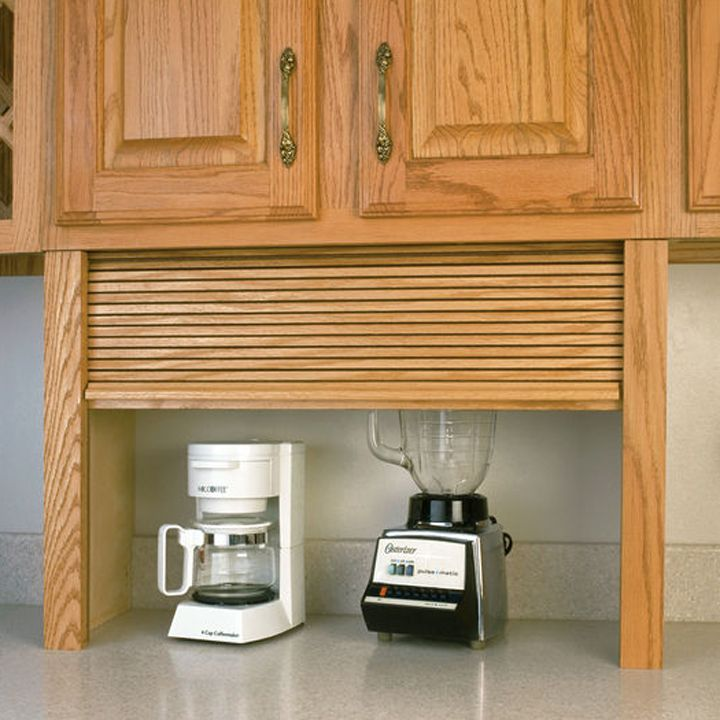
Bulky countertop appliances—such as toasters, blenders, and coffee makers—can quickly dominate limited prep areas, making daily tasks feel cramped. A dedicated appliance garage addresses this challenge by concealing small appliances behind closed doors while keeping them accessible for daily use. Typically located on the countertop beneath wall cabinets, these units feature roll-up, bi-fold, or lift-up doors to maintain a clean, uniform appearance when not in use.
Cabinet makers often integrate appliance garages during kitchen renovations, but freestanding versions are also available for retrofitting existing layouts. Key features include built-in power outlets for plug-and-play convenience and ventilated back panels to prevent overheating. It’s important to measure appliance dimensions ahead of time to ensure the interior space accommodates your most frequently used items.
Organizing these appliances into a single, hidden location helps maintain order while reducing countertop chaos. Keeping cords tucked inside the garage also minimizes tangling and dust buildup. Whether used for breakfast stations, smoothie setups, or baking tools, this storage method balances function with a clutter-free look.
For those managing multiple gadgets in tight quarters, a dedicated appliance garage offers a practical, discreet storage strategy that supports efficiency without compromising the kitchen’s overall aesthetic or flow.