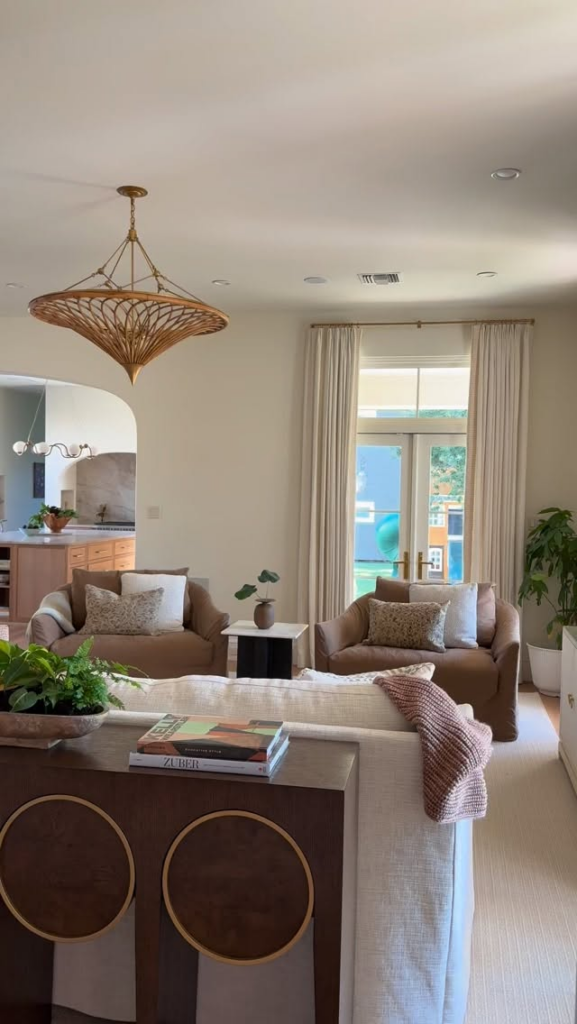
Modern living spaces demand innovative solutions that balance functionality and style, making the kitchen and living room combo a popular choice for contemporary homes.
This open-concept design fosters better interaction, creating a seamless flow that enhances both daily living and entertainment experiences.
Perfect for maximizing square footage or achieving a spacious feel, this setup combines practicality with aesthetic appeal.
Whether you’re working with a compact apartment or a larger layout, finding the right balance between these two essential areas can redefine your home’s ambiance.
Let’s dive into smart design strategies and creative ideas to optimize this versatile and trend-forward concept.
Half-Wall Divider with Open Shelving

Separating the kitchen and living room without sacrificing light or openness can be achieved with a functional half-wall divider featuring open shelving.
This design combines partition and storage while maintaining a seamless visual connection between the spaces.
Choose durable, visually appealing materials like wood, metal, or tempered glass to match your interior aesthetic.
Open shelving can house cookbooks, décor, or indoor plants, enhancing both functionality and style.
This layout works exceptionally well in small spaces, as it creates defined areas without the heavy, closed-off feel of a solid wall.
You can experiment with symmetrical or asymmetrical shelving designs to personalize the look further.
Additionally, incorporating lighting within the shelves can create an inviting atmosphere during evenings.
This clever solution makes it easy to maintain a sense of togetherness while offering privacy for each zone, making the transition between kitchen and living room harmonious and practical.
Island with Integrated Seating

A multi-functional island with integrated seating bridges the kitchen and living room effortlessly.
This design not only serves as a preparation area but also as a casual dining or socializing spot.
Opt for materials that harmonize with both spaces, such as quartz countertops paired with upholstered stools that match the living room color scheme.
To maximize utility, consider built-in storage beneath the island for easy access to kitchen essentials.
Ensure the seating arrangement accommodates both functionality and comfort, with enough clearance for legroom and easy maneuverability.
Pendant lighting above the island enhances the ambiance while delineating the space visually.
This solution works well for hosting guests, allowing the cook to interact with family or friends without disruption.
An integrated island fosters a sense of connection, seamlessly blending the boundaries between cooking and living spaces while optimizing both style and practicality.
Accent Ceiling for Each Zone
Highlighting distinct areas with unique ceiling designs offers a creative approach to defining kitchen and living room spaces.
For instance, use exposed wooden beams or coffered ceilings in the living room to evoke warmth and charm, while opting for sleek pendant lighting or recessed LED panels above the kitchen for a contemporary touch.
Color contrasts on the ceiling, such as bold paint in one zone and neutral tones in the other, further emphasize separation.
Textured panels or patterned wallpaper applied overhead can also elevate visual interest. Ensure lighting choices align with the ceiling’s design to enhance functionality and ambiance.
This method not only demarcates zones but also introduces a striking focal point for each area.
The strategic use of ceiling accents ensures that both spaces feel cohesive yet distinct, adding character and dimension without requiring additional partitions.
Shared Color Palette

Using a consistent color scheme across the kitchen and living room creates a harmonious flow while maintaining individuality in each space.
Neutral tones like taupe, soft greys, or beige form a balanced foundation, while bold accents such as navy, emerald green, or mustard can add vibrancy.
For example, choose cabinetry and upholstery in complementary shades to tie both zones together seamlessly.
Contrast is possible through varied textures—such as matte walls paired with glossy countertops—to maintain visual interest.
Incorporating metallic finishes like brass handles or chrome light fixtures adds sophistication without overwhelming the design.
Aim for a balanced distribution of the palette by using accent pieces, rugs, or decorative elements to echo the primary hues.
This approach fosters unity and prevents either space from appearing disjointed while allowing for easy updates through interchangeable décor. A shared palette ensures an inviting, cohesive atmosphere.
Built-In Entertainment Wall Opposite Kitchen

Maximizing functionality with a built-in entertainment wall positioned opposite the kitchen transforms the living area into a multi-purpose hub.
Install custom shelving to house media devices, books, or decorative accents, ensuring they complement the kitchen’s cabinetry.
Integrate concealed wiring and recessed lighting for a sleek, clutter-free appearance. Adding a fireplace insert or a feature wall with textured materials like stone or wood enhances the design’s visual impact.
Match finishes and tones with the kitchen to maintain a cohesive aesthetic while introducing subtle contrasts through décor or accessories.
Placement of the entertainment wall opposite the kitchen fosters interaction, allowing cooks to stay engaged with guests or family.
This design choice streamlines functionality and aesthetics, offering ample storage, a central focal point, and a seamless connection between zones while making the most of available wall space.
Living Room-Inspired Kitchen Lighting

Lighting choices that echo the living room’s design enhance the harmony in kitchen-living combos.
Pendant lights above kitchen islands can mirror the aesthetic of chandeliers or floor lamps in the living area, creating a cohesive look.
Warm-toned LED strips under cabinets and along countertops balance functionality with ambiance, complementing the living room’s lighting design.
Incorporating layered light sources—task lighting for food prep and ambient fixtures for relaxed dining—ensures practicality without sacrificing style.
Statement light fixtures, such as oversized globes or sculptural designs, can anchor the kitchen while maintaining synergy with the living space.
Dimmer switches further adapt lighting to various activities, whether hosting guests or unwinding after a meal.
For open-concept designs, maintaining a consistent material or finish, such as brass, chrome, or matte black, across all light fixtures ties the two spaces together seamlessly, achieving a unified yet visually striking atmosphere.
Compact Breakfast Nook Along the Kitchen-Living Divider

Strategically placing a breakfast nook along the boundary of the kitchen and living room creates a practical and stylish transition between spaces.
A slim table paired with bench seating or compact stools maximizes functionality without occupying excessive floor area.
Opt for built-in banquettes with under-seat storage to enhance utility while maintaining a streamlined appearance.
Use materials like wood or stone that align with the kitchen counters and living room furniture for a cohesive aesthetic.
Layering textiles, such as cushions and throws, adds a welcoming touch while creating a natural flow between zones.
For visual interest, position the nook near a window or beneath pendant lighting that complements fixtures in both areas.
This setup not only provides an intimate dining or workspace but also serves as an informal gathering spot, maintaining a sense of connection between the kitchen and living room.
Integrated Hidden Projector System

A concealed projector system is an innovative solution for seamlessly blending entertainment into kitchen-living combos.
Install a retractable projector and screen that can be discreetly tucked away when not in use, preserving the minimalist aesthetic.
Position the projector to align with the living room’s seating arrangement, ensuring optimal viewing angles without disrupting the kitchen’s layout.
Wireless connectivity eliminates the need for visible cables, maintaining a clean and organized appearance.
Use cabinetry or ceiling-mounted mechanisms to house the system, choosing materials that blend with the surrounding décor.
For added convenience, incorporate smart controls that allow the system to operate via voice commands or mobile devices.
This setup caters to movie nights, presentations, or casual TV viewing while preserving valuable floor and wall space.
By integrating the projector system, the kitchen and living room remain functional yet adaptable, creating a multi-purpose environment suited for modern living.
Open Concept with a Wrap-Around Sofa

A wrap-around sofa serves as a versatile centerpiece, offering both seating and spatial definition in an open-concept kitchen and living room.
Positioning the sofa with its back toward the kitchen naturally delineates the two zones while maintaining an open flow.
Upholstery in durable, stain-resistant fabrics ensures practicality, especially in spaces prone to spills.
Choose a color palette that complements kitchen cabinetry and living room accents to establish cohesion.
Pair the sofa with a low-profile coffee table and accent pillows that reflect the design theme.
Integrating a sectional with built-in storage or modular seating adds functionality without cluttering the layout.
To enhance comfort, arrange lighting to create an inviting ambiance for both dining and relaxation.
This setup not only optimizes seating capacity for family and guests but also fosters a connected atmosphere, perfect for entertaining or casual evenings.
Shared Dining Table Between Zones

Positioning a dining table between the kitchen and living room creates a shared hub that balances functionality and aesthetics.
A table with a streamlined design—such as a round or rectangular model in wood or metal—helps connect both spaces while providing a practical surface for meals, work, or socializing.
Pair it with versatile seating, such as upholstered chairs or benches, for added comfort.
Ensure the table’s material and color complement the kitchen countertops and living room furniture to maintain visual harmony.
Overhead lighting, such as a pendant or chandelier, adds a focal point and defines the dining area.
To enhance the shared look, accessorize the table with a centerpiece that incorporates elements from both zones, like greenery or decorative bowls.
This setup promotes interaction, encourages multi-functionality, and fosters a cohesive design that makes the kitchen-living room combo feel purposeful and inviting.
Sunlit Neutral Open Kitchen Dining Blend
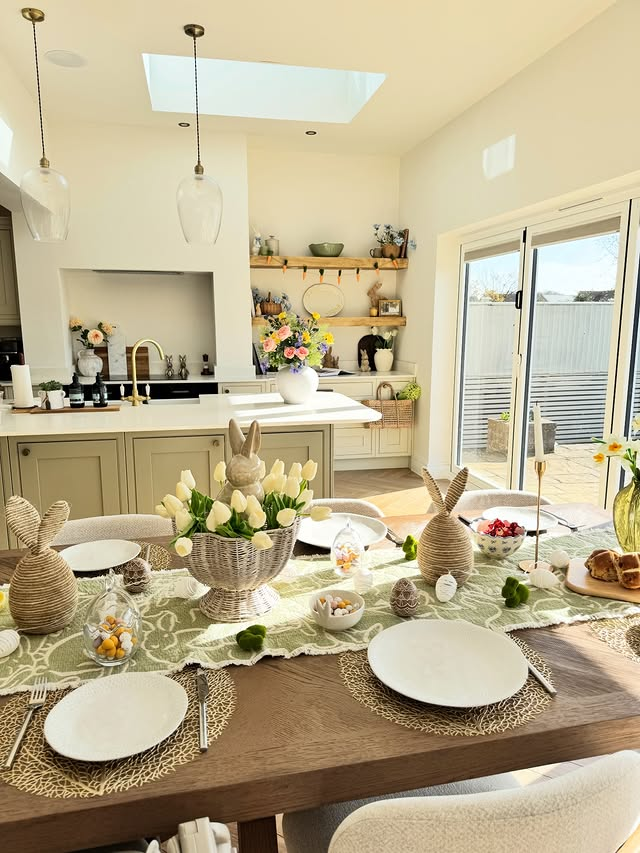
Monochrome Sculpted Ceiling Open Dining Lounge
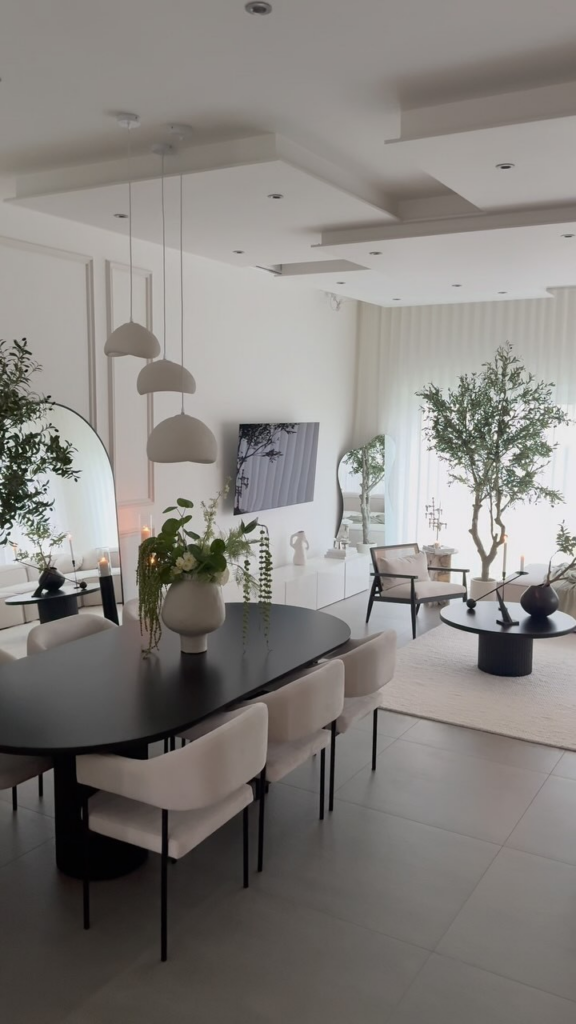
Warm Wood Island Open Living Blend
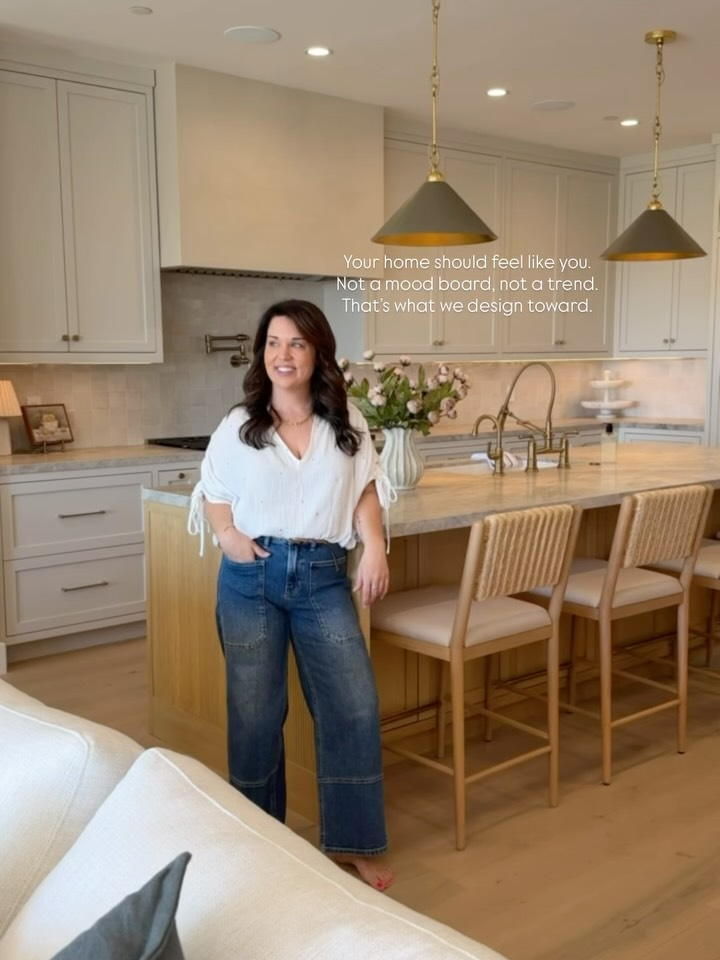
Soft Minimal Open Plan Kitchen Lounge
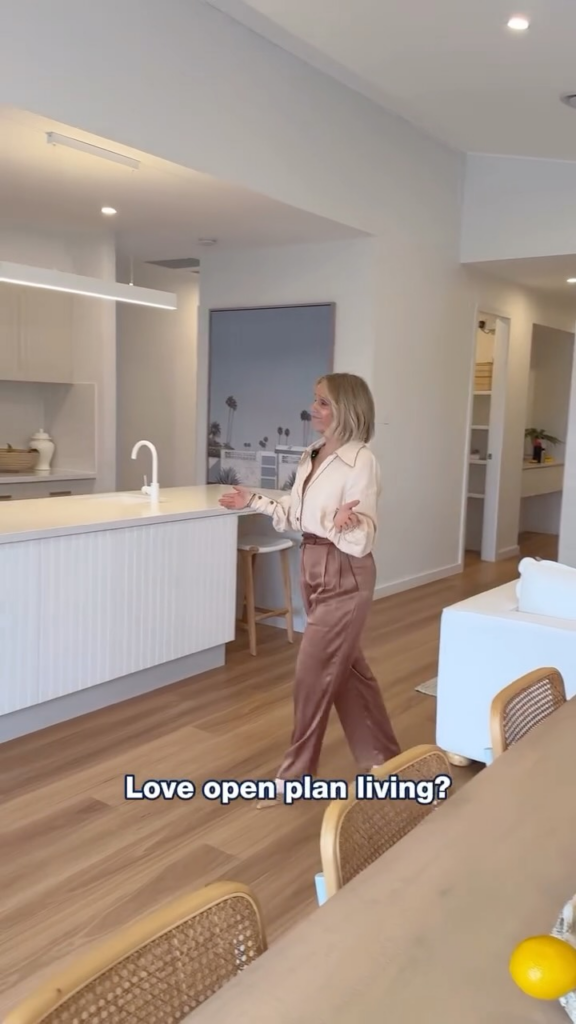
Arched Entry Warm Living Kitchen Flow